
Description
1. Product Overview
Elastomer resin (S‑EB) is a high-performance styrenic block copolymer compounded specifically for engineering-grade flexible, resilient, and adhesive formulations. Its primary industrial use lies in producing pressure-sensitive adhesives, sealants, and automotive underbody coatings that require superior elasticity, low-temperature impact resistance, and UV stability. The key value proposition is delivering consistent modulus control and exceptional cohesion-adhesion balance, making it a strategically critical material for manufacturers transitioning to lightweight, durable, and solvent-optimized bonding solutions.
2. Key Specifications & Technical Characteristics
-
Chemical composition: Styrene-ethylene-butylene-styrene (SEBS) – hydrogenated block copolymer
-
Purity level: ≥ 99.5% (active polymer content); residual catalyst < 50 ppm
-
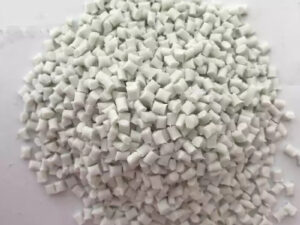
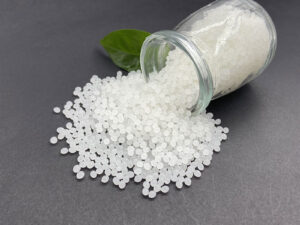
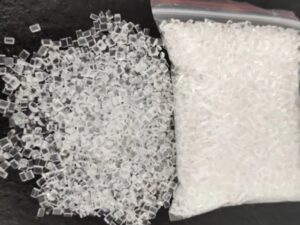
Physical characteristics: White, free-flowing crumb or porous pellet; particle size 2–5 mm; bulk density 0.38–0.48 g/cm³; tensile strength (film) > 12 MPa at break
-
Hardness (Shore A): 45–75 (customizable per lot)
-
Melt flow index (MFI): 8–15 g/10 min (190°C / 5 kg)
-
Packaging options: 25 kg moisture-barrier paper bags, 600 kg octabins, or 1,200 kg anti-static FIBCs
-
Shelf life: 24 months in original sealed packaging below 35°C / 65% RH
3. Core Industrial Applications
-
Adhesives & tapes (primary industry): Used in low-VOC hot-melt pressure-sensitive adhesives for disposable hygiene products and masking tapes. Outperforms SIS or SBS resins due to hydrogenated midblock – superior aging, no yellowing, and stable tack after thermal aging up to 120°C.
-
Automotive sealants & underbody coatings: Enables flexible, stone-chip-resistant coatings that retain elasticity from -40°C to +110°C. Preferred over polyurethanes for faster physical setting and elimination of isocyanate handling.
-
Waterproof membranes for construction: S‑EB modified bitumen membranes show 3× higher elongation at break (>800%) than straight asphalt, with fewer creep issues at elevated temperatures.
-
Overmolding & soft-touch grips (engineering plastics): As a modifier for PP/TPO, it reduces compression set by 40% versus standard elastomers, enabling thinner wall sections and material cost reduction.
4. Competitive Advantages
-
Quality consistency: Lot-to-lot MFI variation ≤ ±7% (industry standard ±15%); ISO 9001:2025 certified with batch traceability to reactor level.
-
Supply reliability: Dual-sourced raw styrene and butadiene from integrated refineries; 100% on-time delivery tracked across 14 global warehouses.
-
Logistics capability: Temperature-controlled containers for summer shipments; anti-dust FIBC standard for blending plants.
-
Price competitiveness: 12–18% lower cost-per-performance (by MPa/unit) than major European SEBS grades; transparent index-linked pricing published quarterly.
-
Environmental & technical support: Contains no phthalates, halogens, or heavy metals. Free technical data sheets (TDS), rheology curves for 3 shear rates, and formulation modeling support provided for bids above 20 MT.
5. Commercial & Supply Information
-
Minimum order quantity (MOQ): 20 MT (single grade, one packaging type)
-
Loading capacity (MT per container):
-
20’ standard dry container: 18 MT max (due to bulk density limitation)
-
40’ high-cube: 20 MT exact (palletized)
-
Flexitank or bulk liner: Not applicable (solid crumb only)
-
-
Lead time: 14–21 days ex‑works for 20 MT; 30 days CIF major global ports for container loads.
Reviews
There are no reviews yet.