
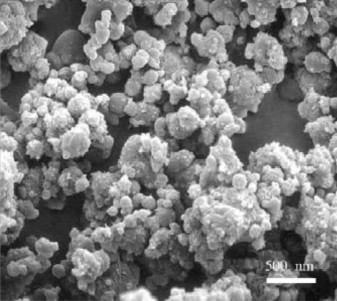


Description
1. Product Overview
Polymeric Nanoparticles are advanced engineered nanomaterials composed of biodegradable or synthetic polymers, designed for controlled delivery, encapsulation, and functional performance at the nanoscale. Widely utilized across pharmaceuticals, biotechnology, coatings, and specialty chemicals, they enable precise targeting, enhanced stability, and improved bioavailability of active compounds. Their key value proposition lies in their tunable physicochemical properties, allowing customization for specific industrial and biomedical applications, including enzyme systems such as Beta-glucosidase. Strategically, they are critical in next-generation formulation technologies, driving innovation in drug delivery, diagnostics, and high-performance materials.
2. Key Specifications & Technical Characteristics
- Chemical Composition: Biodegradable polymers (e.g., PLGA, PLA, PCL) or synthetic polymers (e.g., PEG, polystyrene)
- Purity/Grade: ≥ 98% (customizable based on application requirements)
- Particle Size: Typically 10–500 nm (narrow size distribution available)
- Physical Form: Colloidal suspension or dry powder
- Color: White to off-white (powder) or translucent (dispersion)
- Surface Properties: Functionalizable (e.g., carboxyl, amine, PEGylated surfaces)
- Density: Application-dependent (typically low bulk density for powders)
- Packaging Options:
- 1 kg, 5 kg, 25 kg sealed containers
- Bulk packaging available for industrial scale
- Shelf Life: 12–24 months under recommended storage conditions (cool, dry, light-protected environment)
3. Core Industrial Applications
Polymeric Nanoparticles are extensively used in pharmaceuticals and biotechnology for targeted drug delivery, gene therapy, vaccine formulation, and enzyme immobilization (including Beta-glucosidase systems). In cosmetics and personal care, they enhance active ingredient penetration and stability. The coatings and materials industry leverages them for advanced surface properties such as scratch resistance, controlled release, and barrier enhancement.
Compared to conventional delivery systems, these nanoparticles offer superior encapsulation efficiency, controlled release kinetics, and improved stability of sensitive compounds. Their nanoscale size ensures higher surface area interaction, leading to increased process efficiency and reduced material consumption. This translates into cost savings, enhanced product performance, and scalability across industrial operations.
4. Competitive Advantages
- High Quality Consistency: Tight control over particle size distribution and surface functionality
- Reliable Supply Chain: Scalable production with consistent batch-to-batch performance
- Advanced Logistics Capability: Global bulk shipping with secure and compliant packaging
- Price Competitiveness: Optimized manufacturing processes ensuring cost-efficiency at scale
- Sustainability: Availability of biodegradable and eco-friendly polymer options
- Technical Support: Comprehensive documentation, formulation guidance, and customization services
5. Commercial & Supply Information
- Minimum Order Quantity (MOQ): BULK 20 MT
- Loading Capacity: 20–22 MT per standard 20-ft container


Reviews
There are no reviews yet.