


Description
1. Product Overview
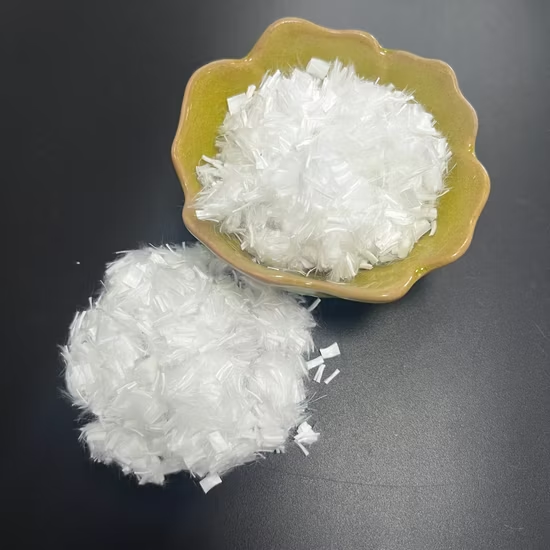
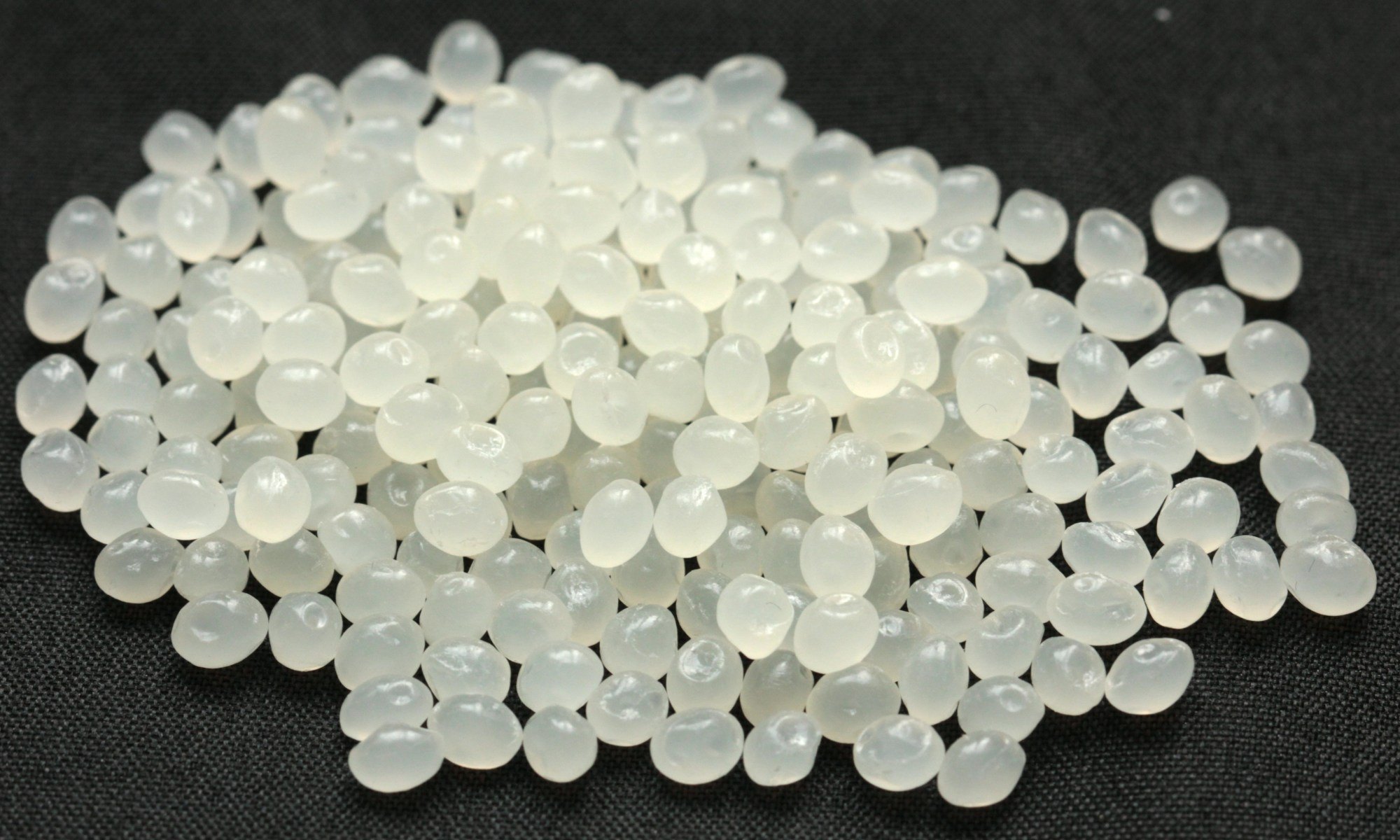
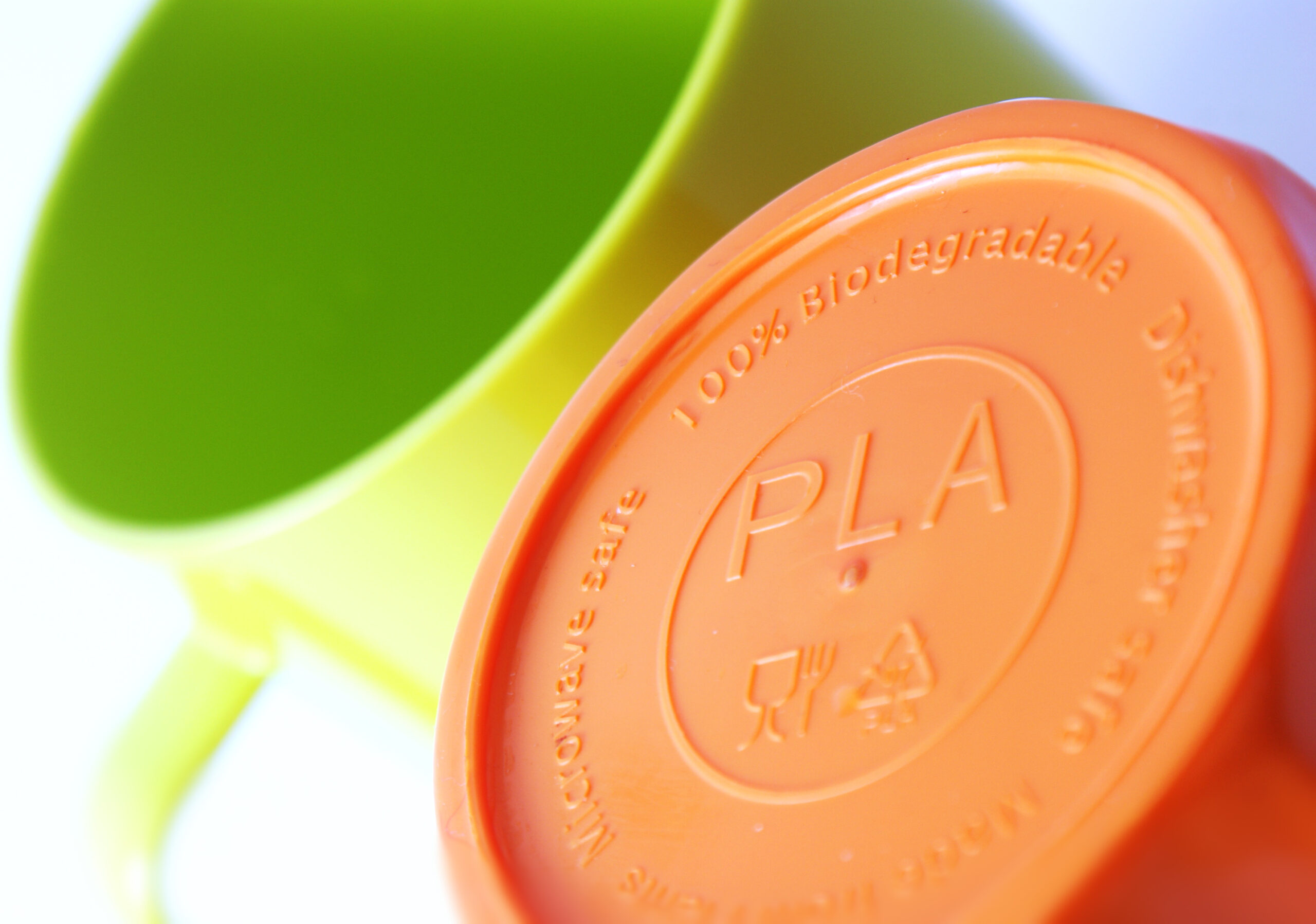
Polylactic Acid (PLA) is a high-performance, biodegradable thermoplastic derived from renewable resources such as corn starch or sugarcane. It is widely utilized in industrial manufacturing for 3D printing filaments, packaging materials, disposable tableware, and compostable products. PLA offers a compelling combination of environmental sustainability, high processability, and mechanical strength, making it an ideal alternative to conventional petroleum-based plastics. Strategically, PLA is critical for companies seeking to meet regulatory standards and consumer demand for eco-friendly materials while maintaining operational efficiency. Its role in driving circular economy initiatives positions it as a forward-looking solution in the global polymer market.
2. Key Specifications & Technical Characteristics
- Chemical Composition: Polylactic Acid (PLA), polymerized from lactic acid
- Purity/Grade: Industrial-grade ≥ 99%
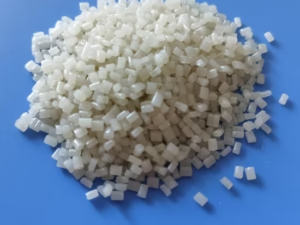
- Physical Form: Granules or pellets
- Color: Natural (off-white) or custom color options
- Density: 1.24 g/cm³
- Melting Point: 150–160°C
- Glass Transition Temperature (Tg): 60–65°C
- Moisture Content: ≤ 0.2%
- Packaging Options: 25 kg bags, bulk 500–1000 kg big bags
- Shelf Life: 12–24 months under dry, cool storage conditions
3. Core Industrial Applications
- 3D Printing & Additive Manufacturing: High dimensional accuracy and smooth finish for prototyping and functional parts.
- Packaging Industry: Compostable trays, containers, films, and bottles offering environmentally sustainable alternatives to traditional plastics.
- Textiles & Fibers: PLA fibers for nonwoven fabrics, disposable garments, and hygiene products.
- Medical & Healthcare: Biocompatible PLA for implants, sutures, and drug delivery systems.
PLA outperforms conventional plastics in biodegradability, reduced carbon footprint, and ease of processing, providing cost efficiency and regulatory compliance advantages.
4. Competitive Advantages
- Quality Consistency: Rigorous industrial-grade quality control ensures uniformity in mechanical and thermal properties.
- Supply Reliability: Global production network ensures steady availability for large-scale industrial operations.
- Logistics Capability: Flexible shipping options, including bulk container loads and customizable packaging.
- Price Competitiveness: Economically optimized supply chain for competitive industrial pricing.
- Sustainability Benefits: 100% renewable feedstock, fully compostable, supporting ESG goals.
- Technical Support: Comprehensive datasheets, processing guidelines, and application consulting available.
5. Commercial & Supply Information
- Minimum Order Quantity (MOQ): 20 MT (Bulk)
- Loading Capacity: Up to 20–22 MT per 20ft container


Reviews
There are no reviews yet.