
Description
1. Product Overview
Polybutylene terephthalate (PBT) is a semi-crystalline, high-performance engineering thermoplastic known for its exceptional dimensional stability, chemical resistance, and mechanical strength across temperature extremes. Primarily used in precision electronic components, automotive connectors, and industrial actuators, PBT delivers the critical balance of rapid moldability and long-term thermal endurance. As industries accelerate toward miniaturization and higher operating temperatures, PBT has become a strategic substitute for metals and less stable polymers, reducing system weight while maintaining structural integrity.
2. Key Specifications & Technical Characteristics
-
Chemical composition: Polycondensate of 1,4-butanediol and terephthalic acid
-
Purity / Grade: Virgin engineering grade (≥99.9% purity); available in unreinforced, glass-fiber reinforced (15%, 30%, 50% GF), and flame-retardant (UL94 V-0) variants
-
Physical characteristics:
-
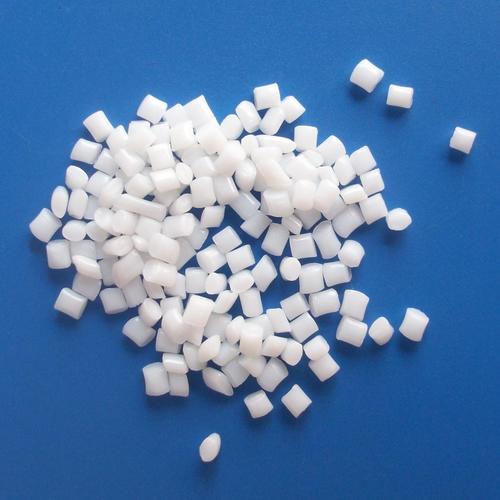
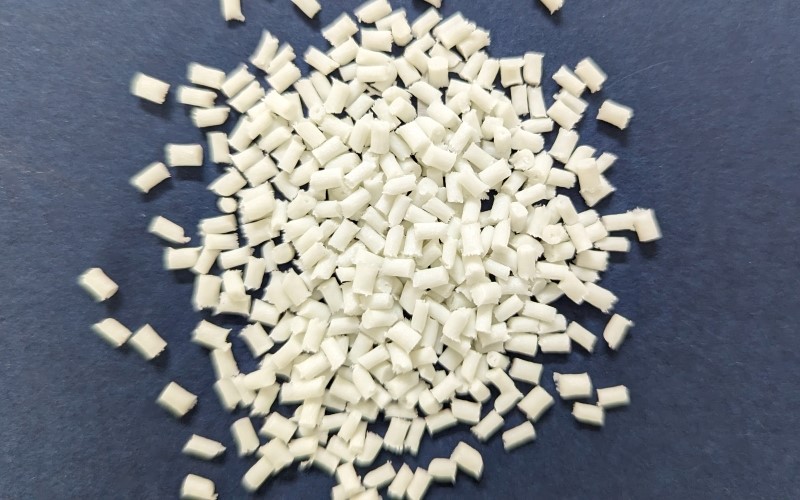
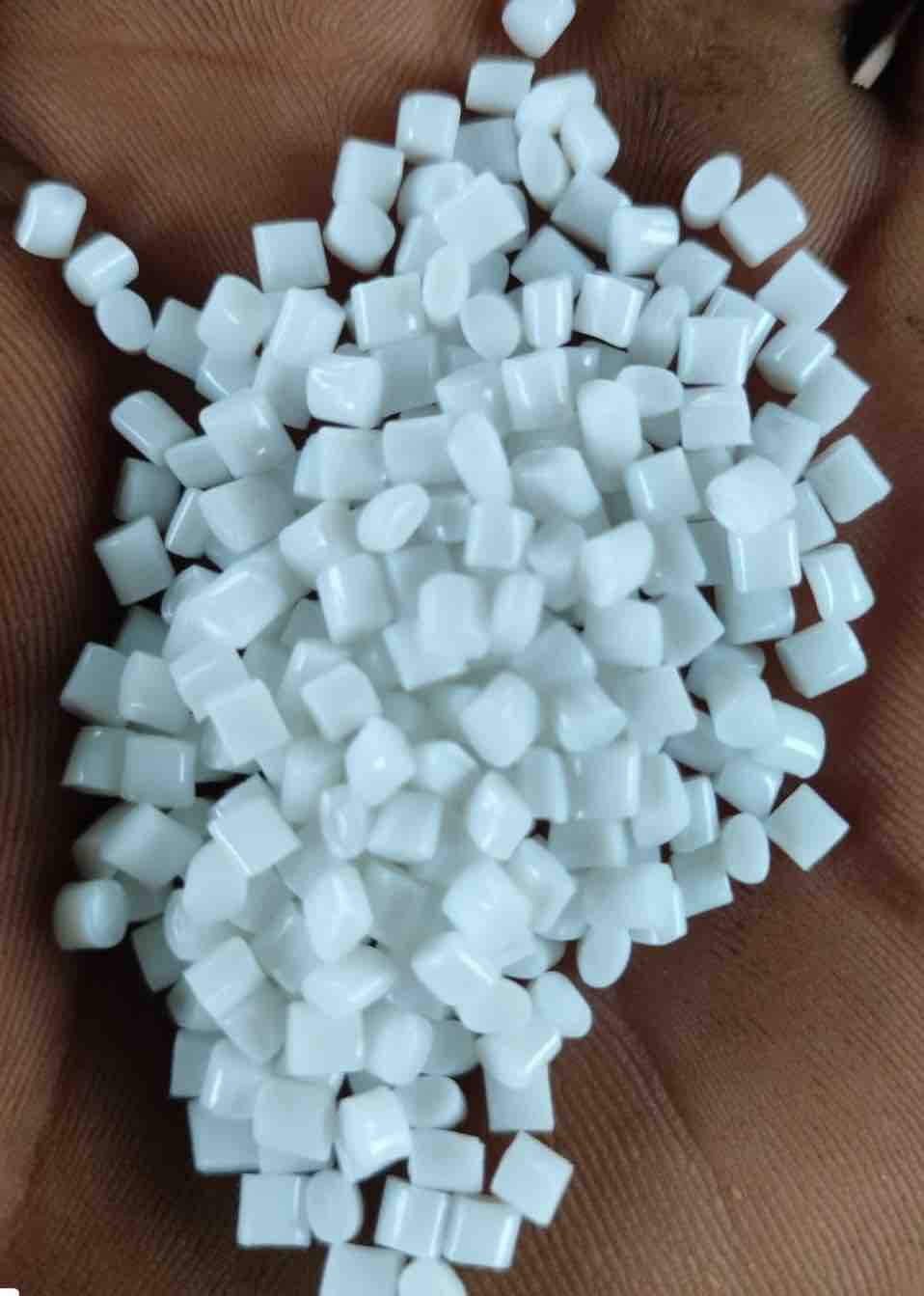
Form: Cylindrical pellets (2.5–3.5 mm length)
-
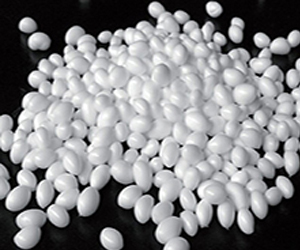
Color: Natural off-white to white (custom colorable)
-
Density: 1.30–1.52 g/cm³ (depending on reinforcement)
-
Melt temperature: 220–230°C
-
Water absorption: <0.1% (24-hour immersion)
-
-
Packaging options: 25 kg moisture-barrier bags; 500 kg octabins; 1,200 kg anti-static FIBCs
-
Shelf life: 24 months when stored below 40°C in sealed, dry conditions (original packaging)
3. Core Industrial Applications
-
Automotive electronics: Connectors, sensor housings, ignition components – outperforms nylon in moisture-prone under-hood environments due to <0.1% water absorption, preventing dimensional drift.
-
Electrical & consumer devices: Circuit breakers, switch housings, USB-C connectors – superior arc resistance and tracking index (CTI ≥ 600V) vs. standard ABS or PC, enabling safer, thinner-wall designs.
-
Industrial machinery: Pump components, gear housings, pneumatic valves – delivers higher fatigue resistance and lower creep under sustained load than polyoxymethylene (POM), extending service intervals by 2–3x in high-cycle applications.
-
Medical & laboratory equipment: Non-implantable device housings, fluid handling components – resists common sterilants (EtO, gamma) better than polycarbonate, reducing part failure risk.
4. Competitive Advantages
-
Quality consistency: Statistical process control (SPC) across each batch; viscosity number (ISO 1628) held to ±4 mL/g; shipped with mill test certificates (MTC) and full rheological curves.
-
Supply reliability: Dual-sourced monomer feedstock with ≥3 months of safety stock maintained in regional hubs (Americas, EMEA, Asia); typical lead time 10 days EXW.
-
Logistics capability: Temperature-controlled container loading (≤40°C) with desiccant-lined liners; real-time GPS tracking for bulk orders.
-
Price competitiveness: Direct polycondensation integration reduces conversion costs 12–18% versus traders; volume-based rebate structure above 200 MT/quarter.
-
Sustainability: ISCC PLUS certified mass-balanced grades with up to 70% recycled content (mechanically or chemically recycled) without downgrading tensile strength (>120 MPa @ 30% GF).
-
Technical support: Dedicated application engineers available for mold-flow simulation (Moldex3D, Moldflow) and failure analysis within 48 hours.
5. Commercial & Supply Information
-
Minimum order quantity (MOQ): 20 MT (full truckload equivalent) per single grade/color
-
BULK 20MT loading capacity: 20 MT (±2%) per standard 20-foot dry container (palletized: 20 Euro-pallets; non-palletized: 640 × 25 kg bags)
-
Loading capacity (MT per container): 20-foot container = 20 MT net; 40-foot high-cube container = 26 MT net (when weight-permitted)


Reviews
There are no reviews yet.