
Description
-
Product Overview
Pectin (E440) is a high-quality, plant-derived polysaccharide used as a gelling, stabilizing, and thickening agent in industrial formulations. Primarily sourced from citrus peels and apple pomace, it is deployed across food processing, pharmaceuticals, cosmetics, and specialty chemical applications to deliver predictable rheology and formulation stability. Its key value proposition is reliable, food-grade functional performance that enables consistent texture, controlled release, and clean-label positioning. Strategically, Pectin (E440) reduces formulation variability, supports regulatory compliance in global markets, and provides a scalable natural alternative to synthetic hydrocolloids for enterprise manufacturers. -
Key Specifications & Technical Characteristics
-
Chemical composition: High-methoxyl and low-methoxyl pectin fractions (primarily poly-D-galacturonic acid with esterified carboxyl groups), standardized for industrial use.
-
Functional grade: E440 (food/pharma-grade) with options for technical/industrial grades on request.
-
Degree of methylation (typical): High methoxyl (HM) ≥50% and Low methoxyl (LM) ≤50% options available; bespoke blends on request.
-
Galacturonic acid content: ≥65% (typical).
-
Moisture content: ≤12% (typical).
-
Ash: ≤5% (typical).
-
pH (1% aqueous solution): 2.8–3.8 (typical).
-
Solubility & form: Powder, free-flowing; soluble in hot water, dispersible in cold solutions with appropriate shear.
-
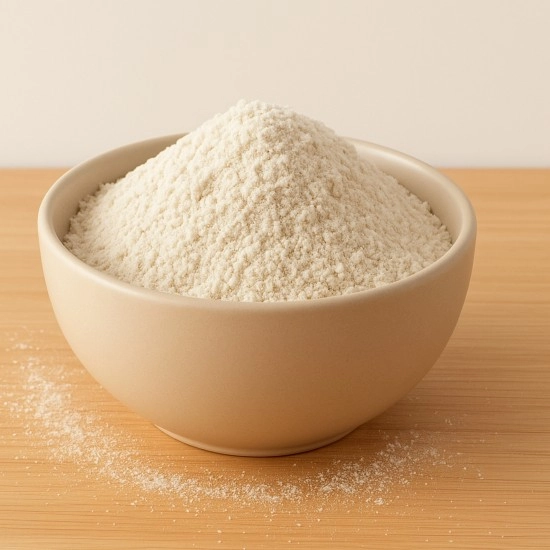
Appearance: Off-white to pale yellow powder.
-
Particle size: Standard industrial mesh (e.g., 80–200 mesh) — custom milling available.
-
Bulk density: 400–650 kg/m3 (typical, depending on milling and grade).
-
Microbiology: Meets industrial food-grade microbiological limits; supplied with certificate of analysis.
-
Packaging options: 25 kg multi-ply bags, 500 kg bulk bags (FIBC), and ISO-tank or bulk tanker options for high-volume customers.
-
Storage & shelf life: 24 months when stored in cool, dry conditions (<25°C, <65% RH) in original sealed packaging.
-
Regulatory compliance: Conforms to relevant standards for E440 (food additive) in major markets; documentation for FDA, EU (EFSA), and other regulatory regimes provided on request.
-
Core Industrial Applications
-
Food & Beverage: Gelling agent for jams, jellies, confectionery; stabilizer/thickener in dairy (yogurt, desserts), beverages, and bakery fillings. Enables consistent set, mouthfeel, and reduced syneresis compared with starch-based systems.
-
Pharmaceutical & Nutraceutical: Excipient for controlled-release matrices, film coatings, and suspensions; suitable for clean-label and vegetarian formulations. Offers predictable swelling and release properties versus synthetic polymers.
-
Cosmetics & Personal Care: Thickener and stabilizer in creams, lotions, and gels; improves viscosity stability and sensory profile while supporting natural/eco claims.
-
Specialty Chemicals & Industrial: Rheology modifier in adhesives, coatings, and oilfield chemicals where biodegradable, non-toxic thickeners are required. Outperforms many synthetic alternatives on biodegradability and regulatory ease.
-
Why it outperforms alternatives: Provides natural origin, regulatory friendliness, predictable gelling behavior across pH and sugar systems (HM/LM selection), and lower required dosages for targeted texture versus many starches or cellulose derivatives — delivering cost and formulation simplicity benefits.
-
Competitive Advantages
-
Quality consistency: Manufactured under controlled processes with batch-to-batch consistency and full traceability.
-
Supply reliability: Secured upstream raw-material contracts (citrus/apple processors) and scalable production capacity to support continuous supply for large enterprise clients.
-
Logistics capability: Flexible packaging and consolidated shipping options; support for BULK (FIBC), containerized, and ISO-tank logistics with export documentation and customs support.
-
Price competitiveness: Tiered pricing for volume buyers and long-term contracts; optimized supply chain reduces landed cost versus fragmented suppliers.
-
Sustainability: Sourced from agricultural by-products, reducing waste and carbon intensity versus petrochemical polymers; options for verified sustainable sourcing available.
-
Technical support: Comprehensive technical datasheets, application guidelines, formulation support, and sample testing; access to R&D collaboration for custom blends and particle-size optimization.
-
Documentation: Certificates of Analysis (CoA), Material Safety Data Sheets (MSDS/SDS), regulatory declarations, and origin documentation provided with shipments.
-
Commercial & Supply Information
-
Minimum order quantity (MOQ): BULK 20MT.
-
Typical loading capacity (MT per container):
-
20 ft container: up to 18–20 MT (25 kg bag configuration)
-
40 ft container: up to 22–24 MT (25 kg bag configuration)
-
40 ft HC / palletized FIBC: up to 24–26 MT depending on palletization and bag weight
-
-
Lead times: Standard lead time 4–8 weeks depending on order size and destination; expedited options available for contractual customers.
-
Incoterms & logistics: FOB, CIF, and DAP options; tailored logistics planning for large contracts.
-
Payment & contracting: Volume discounts, long-term supply agreements, and quality-assurance clauses available upon negotiation.


Reviews
There are no reviews yet.