
Description
1. Product Overview
Palladium Refinery Dust is a high-value, platinum-group metal (PGM) intermediate recovered from primary smelting and secondary refining of palladium-bearing materials. Its primary industrial use is as feedstock for precious metal refineries, chemical catalyst manufacturers, and advanced material producers requiring concentrated palladium units. The key value proposition lies in its elevated palladium content combined with lower processing complexity versus spent catalysts or mixed scrap streams, enabling faster turnaround and higher metal recovery yields. It is strategically important in the market due to constrained primary palladium supply, increasing automotive and hydrogen sector demand, and its role in securing cost-effective, traceable PGM units for industrial decarbonization technologies.
2. Key Specifications & Technical Characteristics
- Chemical Composition: Pd 15.0% – 45.0% typical range; Pt 0.5% – 5.0%; Rh 0.2% – 2.5%; Au 0.1% – 1.0%; Base metals (Cu, Ni, Fe) <8.0% total; SiO2/Al2O3 gangue balance
- Purity Level / Grade: Industrial refinery grade; assay-confirmed prior to shipment with full elemental ICP-OES/FA report
- Physical Characteristics:
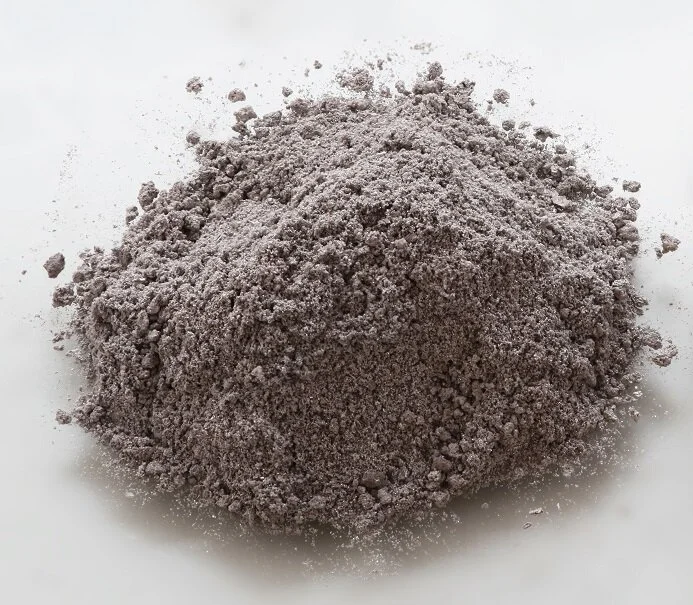
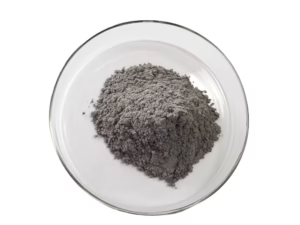
- Form: Fine to granular dry powder
- Color: Dark grey to black
- Particle Size: 80% passing 75 microns (-200 mesh); D50 35–55 microns
- Bulk Density: 1.8 – 2.6 g/cm³
- Moisture Content: <1.0% w/w
- Packaging Options: 25kg UN-rated steel drums with PE liners, 1MT poly-woven bulk bags with inner liner, or customer-specified hazardous material packaging
- Shelf Life: Chemically stable; indefinite shelf life when stored in dry, sealed conditions at ambient temperature
3. Core Industrial Applications
- Primary Industries: Precious metal refineries, automotive & chemical catalyst manufacturing, electronics and plating, hydrogen fuel cell and electrolyzer production, specialty chemical synthesis
- Specific Operational Use Cases: Direct smelting and electrorefining to produce 99.95% Pd sponge/ingot; dissolution for catalyst precursor salts such as Pd(NO3)2 and PdCl2; alloying for hydrogen purification membranes; electronic component plating baths
- Performance vs. Alternatives: Offers higher Pd concentration and lower organic/contaminant loading than spent automotive catalysts or e-scrap, reducing flux consumption, slag volumes, and refining cycle time by 20–35%
- Efficiency / Cost Advantages: Higher metal units per MT reduce freight and treatment charges; consistent particle size enables uniform sampling and faster dissolution kinetics; traceable single-source lots improve mass balance accuracy and reduce working capital lockup
4. Competitive Advantages
- Quality Consistency: Every lot is homogenized, representatively sampled, and independently assayed with UMPIRE-ready certificates; <2% variance lot-to-lot
- Supply Reliability: Contracted volumes from integrated PGM refinery network with quarterly rolling availability; long-term offtake programs available
- Logistics Capability: DG-certified handling, global export licenses, and experience shipping Class 9 hazmat to EU, US, CN, JP, IN with full SDS, MSDS, and customs documentation
- Price Competitiveness: Quoted as % of LBMA PM Pd fix less negotiated treatment charge; volume tiers and TC/RC advantages vs. lower-grade materials
- Sustainability / Environmental Benefits: Classified as secondary material under OECD; supports circular economy KPIs and Scope 3 emissions reduction vs. primary mining; full chain-of-custody available
- Technical Support / Documentation: Provided with COA, SDS, TREM cards, radioactivity certificate, moisture certificate, and end-use declaration; metallurgical support for process integration
5. Commercial & Supply Information
- Minimum Order Quantity (MOQ): BULK 20MT
- Loading Capacity: 20MT per 20ft FCL container


Reviews
There are no reviews yet.