
Description
1. Product Overview
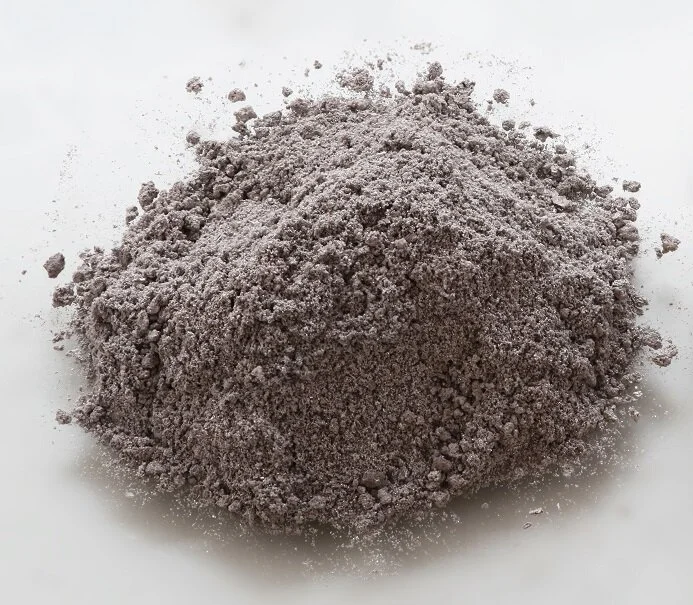
Rhodium Recovery Concentrate is a high-grade industrial feedstock derived from spent automotive catalysts, petrochemical process residues, and electronics refining streams, engineered for efficient recovery of metallic rhodium. Its primary industrial use is as a direct input for PGM refineries, chemical manufacturers, and precious metal recyclers to produce refined rhodium for catalytic, electrical, and alloying applications. The key value proposition lies in its elevated Rh concentration, low impurity profile, and consistent lot-to-lot composition, which maximizes recovery yields and reduces refining costs. It is strategically important in the market as global rhodium supply remains highly constrained, with automotive emission standards and hydrogen economy growth driving sustained demand and price volatility.
2. Key Specifications & Technical Characteristics
- Chemical Composition: Rhodium content 0.8% – 2.5% Rh by weight; Matrix of Al2O3, CeO2, ZrO2 catalyst substrate; Trace PGMs: Pt 0.1% – 0.6%, Pd 0.2% – 1.0%; Base metals Fe, Ni, Cr < 3.0% total
- Purity Level / Grade: Industrial Recycling Grade; Low-carbon, de-oiled, calcined for smelter-ready processing
- Physical Characteristics:
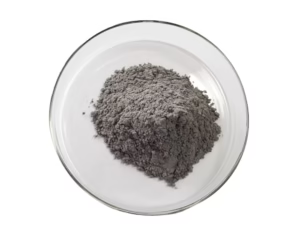
- Form: Free-flowing granular powder or milled fines
- Color: Dark grey to black
- Particle Size: 80% passing 200 mesh (75μm) standard; custom sizing 50μm – 2mm available
- Bulk Density: 1.2 – 1.8 g/cm³
- Moisture: < 1.0% LOD
- Packaging Options: 1MT woven PP big bags with PE liner on heat-treated pallets; 25kg steel drums; Custom tolling packaging available
- Shelf Life: Indefinite when stored in dry, sealed conditions; No chemical degradation under ambient storage
3. Core Industrial Applications
- Primary Industries: Precious metal refineries, PGM smelters, chemical catalyst manufacturers, specialty alloy producers, electronics materials processors
- Specific Operational Use Cases: Feed material for pyrometallurgical and hydrometallurgical rhodium recovery circuits; Secondary input for nitric acid production catalysts; Source material for rhodium electroplating salts and sputtering targets; Alloy additive for high-temperature aerospace components
- Performance vs Alternatives: Higher Rh concentration than typical spent catalyst scrap, reducing flux and energy consumption per kg of recovered Rh; Pre-processed to remove hydrocarbons and sulfur, preventing furnace contamination and lowering emissions compliance costs
- Efficiency / Cost Advantages: Increases furnace throughput by 15-22% compared to unprocessed catalytic converter scrap; Reduces reagent consumption in leaching circuits due to optimized particle size and low silica content; Lowers logistics cost per gram of Rh through density-optimized packaging
4. Competitive Advantages
- Quality Consistency: Every lot is homogenized, sampled, and assayed by ICP-OES with third-party umpire option; Certificate of Analysis provided with full elemental breakdown
- Supply Reliability: Contract volumes secured from vetted automotive and industrial recycling networks across EU, North America, and Asia; 500MT+/month stable sourcing capacity
- Logistics Capability: Global shipping via FOB/FCA/CIF; Licensed for IMDG Class 9 hazardous goods transport; Pre-cleared documentation for major ports
- Price Competitiveness: Direct-from-processor pricing indexed to LME Rh with transparent refining deductions; No intermediary trading margins
- Sustainability / Environmental Benefits: 100% recycled source material supporting Scope 3 emission reductions for buyers; Full chain-of-custody documentation for ESG reporting; RoHS/REACH compliant
- Technical Support: Dedicated metallurgists for sampling protocol design and yield optimization; SGS/Alex Stewart supervised weighing and assaying available
5. Commercial & Supply Information
- Minimum Order Quantity (MOQ): BULK 20MT
- Loading Capacity: 20MT per 20ft container

Reviews
There are no reviews yet.