


Description
1. Product Overview
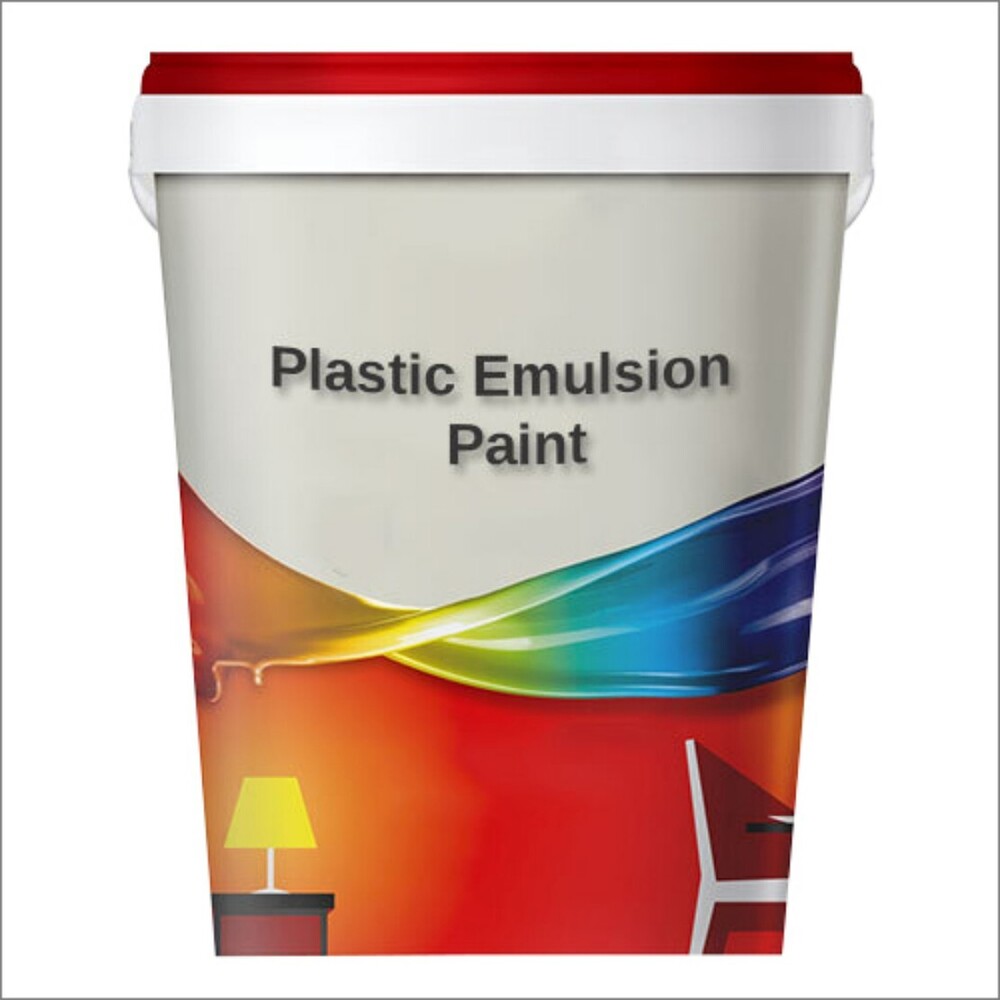
Paint Emulsion is a high-performance, aqueous acrylic copolymer dispersion engineered for the industrial production of architectural, decorative, and protective coatings. Its primary industrial use is as a non-toxic, film-forming binder that provides superior adhesion, weather resistance, and pigment binding capacity in water-based paints. The key value proposition is the replacement of solvent-borne systems with a low-VOC, high-durability alternative that reduces production costs while meeting global regulatory standards. Strategically, this product is critical as construction chemicals and industrial coatings sectors shift toward sustainable, low-carbon formulations without compromising mechanical performance.
2. Key Specifications & Technical Characteristics
-
Chemical composition: Acrylic copolymer (butyl acrylate / methyl methacrylate based), surfactant-stabilized, pH buffered
-
Purity / solids content: 48% ± 1% non-volatile solids
-
Physical characteristics: Milky white liquid; mean particle size 120–180 nm; viscosity 500–3,000 cP (Brookfield, LV #4, 60 rpm); density 1.02–1.06 g/cm³; glass transition temperature (Tg) adjustable (15–35°C)
-
Packaging options: IBC totes (1,000 L), 200 L steel drums, bulk flexitanks (20,000 L)
-
Shelf life: 12 months from date of manufacture when stored between 5–35°C in original sealed container; freeze-thaw stable for 3 cycles
3. Core Industrial Applications
-
Primary industries: Architectural coatings (interior/exterior paints), industrial wood coatings, textured finishes, and masonry paints.
-
Operational use cases: Formulation of premium matt, satin, and gloss emulsions for residential/commercial buildings; anti-carbonation protective coatings for concrete facades.
-
Why this product performs better: Compared to conventional styrene-acrylic emulsions, it offers 40% lower yellowing under UV exposure and superior scrub resistance (>5,000 cycles per ASTM D2486). Unlike pure vinyl acetate emulsions, it provides excellent alkaline substrate adhesion (cementitious walls) without plasticizer migration.
-
Efficiency & cost advantage: Lower coalescent solvent demand (up to 30% reduction) due to optimized Tg; faster film drying time (20–30 min at 25°C, 50% RH) increasing production line throughput.
4. Competitive Advantages
-
Quality consistency: ISO 9001:2025 certified production with batch-to-batch viscosity variation <5%; each lot tested for residual monomer (<100 ppm), coagulum (<0.05%), and mechanical stability.
-
Supply reliability: Dedicated manufacturing capacity of 50,000 MT/month with three geographically redundant warehouses (Asia, EU, GCC) ensuring 98% on-time-in-full delivery.
-
Logistics capability: Temperature-controlled bulk tankers and flexitanks with GPS tracking; dangerous goods not applicable (non-hazardous under GHS).
-
Price competitiveness: Volume-based pricing 8–12% below European and North American equivalents at comparable solids and Tg.
-
Sustainability: Zero APEO, low residual monomer, <50 g/L VOC; supports LEED v4.1 and BREEAM credits.
-
Technical support: Full Material Safety Data Sheet (MSDS), Technical Data Sheet (TDS), formulation guide for 15 standard paint recipes, and 24-hour QC lab consultation for troubleshooting.
5. Commercial & Supply Information
-
Minimum order quantity (MOQ): BULK 20 metric tons (MT) – equivalent to one flexitank or 100 drums
-
Loading capacity: 20 MT per 20-ft standard container (flexitank configuration); 24 MT per 20-ft container if IBC tote-stacked (12 x 1,000L IBCs at net weight 2 MT each)
Reviews
There are no reviews yet.