
Description
1. Product Overview
Nitric Acid EL Grade (HNO₃ EL) is a high-purity, low-particle, low-metal content inorganic acid specifically refined for advanced electronics, analytical laboratories, and ultratrace chemical processing. Its primary industrial use lies in semiconductor wet etching, critical cleaning of photovoltaic cells, and high-sensitivity analytical procedures where part-per-trillion (ppt) contamination control is mandatory. The key value proposition is the elimination of ionic and metallic impurities that cause micro-defects in device fabrication, directly improving yield in fabs and R&D labs. Strategically, as global demand for sub-5nm chip architectures and high-efficiency solar cells accelerates, EL-grade nitric acid becomes an indispensable enabler of precision manufacturing, differentiating reliable supply chains from commoditized chemical sources.
2. Key Specifications & Technical Characteristics
-
Chemical Composition: Nitric Acid (HNO₃) with ultrapure deionized water; stabilizers absent to avoid trace metal interference
-
Purity Level / Grade: EL (Electronic Grade) – Metals impurity ≤ 1 ppb per element (typical: Ag, Al, Au, Ca, Cr, Cu, Fe, K, Li, Mg, Mn, Na, Ni, Pb, Zn each < 0.5 ppb); Anion residues (Cl⁻, SO₄²⁻, PO₄³⁻) < 0.1 ppm
-
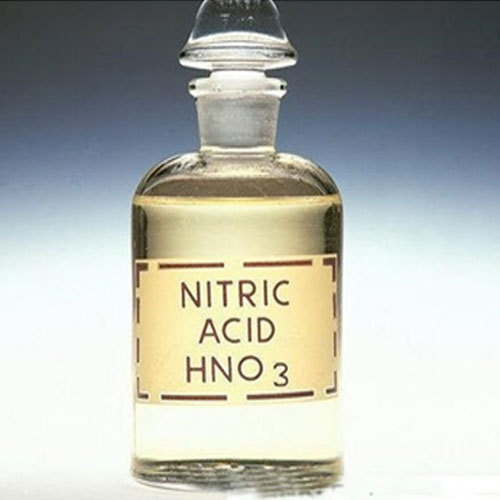
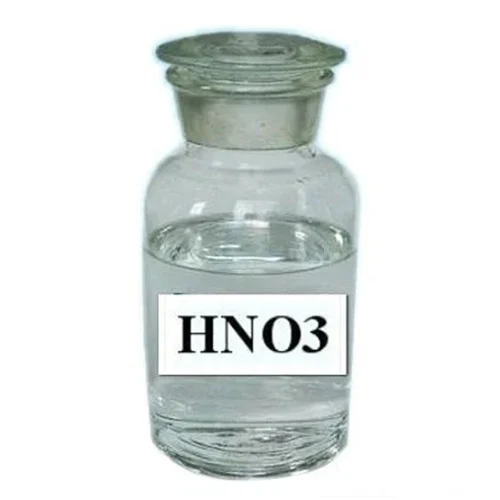
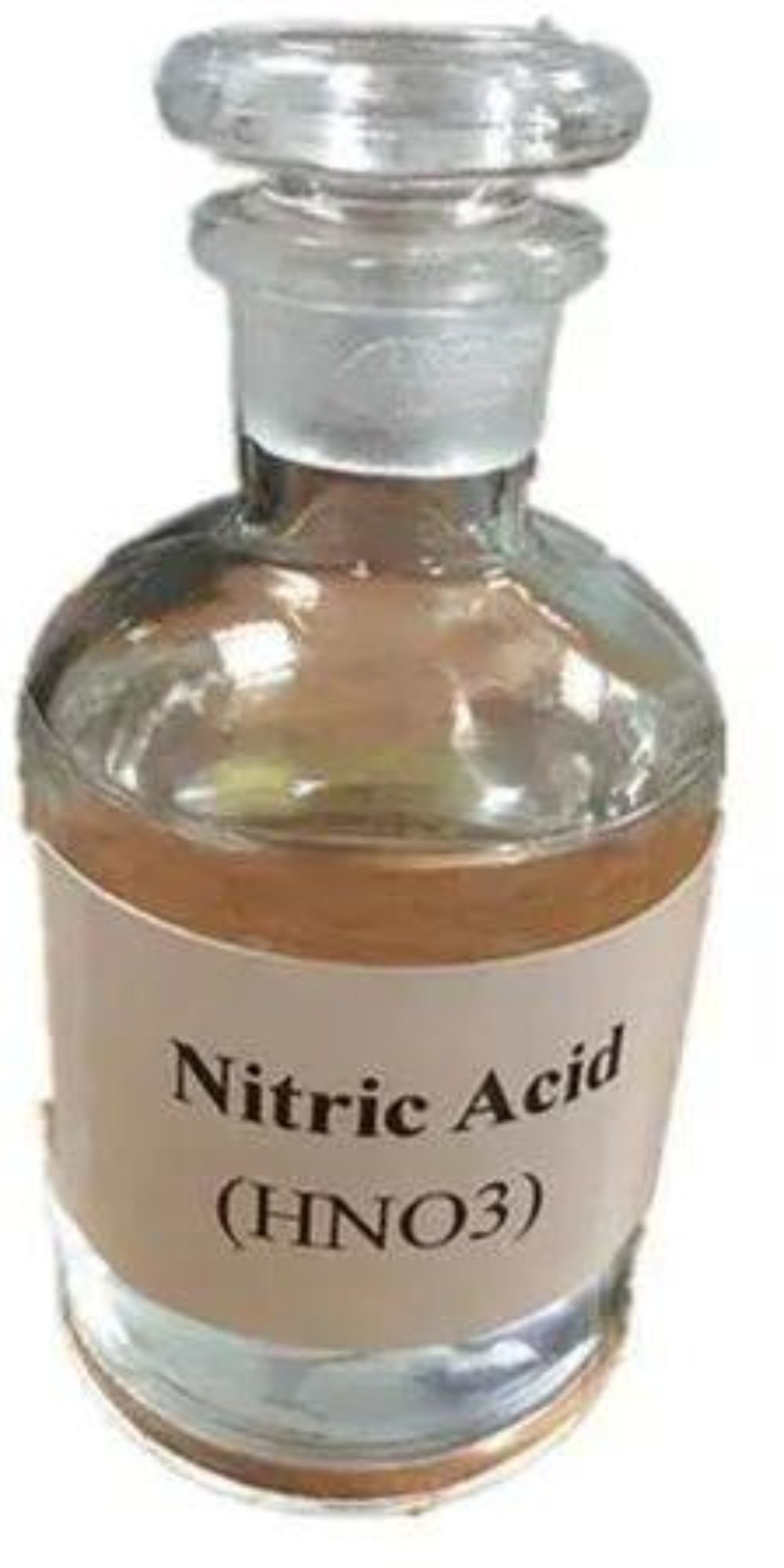
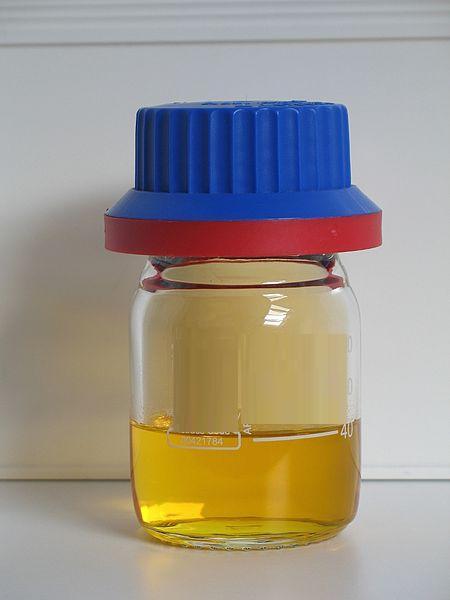
Physical Characteristics: Transparent, colorless to faint-yellow fuming liquid; density ~1.41 g/mL at 20°C; concentration 69–71% w/w; particle count ≤ 100 particles/mL (≥ 0.2 µm)
-
Packaging Options:
-
2.5 L HDPE bottle (cleanroom double-bagged)
-
20 L HDPE carboy (chemical-resistant, tamper-evident)
-
200 L stainless steel-lined drum (passivated inner surface)
-
Bulk ISO tank (1,000 L) for high-volume automated dispensing lines
-
-
Shelf Life: 24 months from date of manufacture when stored in original sealed container at 5–30°C, away from organics and reducing agents
3. Core Industrial Applications
-
Primary Industries: Semiconductor manufacturing, photovoltaic (PV) cell production, analytical testing laboratories, medical device fabrication, aerospace component passivation.
-
Specific Operational Use Cases:
-
Wafer etching: Selective removal of silicon nitride and metal layers in CMOS and MEMS processes – EL grade ensures no stray iron or copper deposits that cause leakage currents.
-
Solar cell texturing: Creating anti-reflective surfaces on monocrystalline silicon – ultralow sodium prevents shunting losses, improving module efficiency by up to 0.3% absolute.
-
Trace metal analysis (ICP-MS, GF-AAS): As a sample digestion matrix – EL grade reduces blank signals, enabling detection limits below 1 ppt for environmental and pharmaceutical QC.
-
-
Performance Advantage: Unlike technical or ACS grades, EL-grade HNO₃ eliminates post-etch particle reattachment and metal-catalyzed oxidation, reducing defect density from >50 cm⁻² to <5 cm⁻² in sensitive photolithography steps. This translates to 3–7% higher functional yield per wafer batch.
4. Competitive Advantages
-
Quality Consistency: Statistical process control (SPC) applied to every batch; each shipment includes Certificate of Analysis (COA) with ICP-MS data for 32 elements; batch-to-batch variation maintained at <0.1 ppb per target metal.
-
Supply Reliability: Dual-source production facilities (Europe & Asia) with 6-month rolling inventory buffer; dedicated cleanroom bottling lines prevent cross-contamination; lead times published weekly via supplier portal.
-
Logistics Capability: Temperature-monitored global shipping with UN 2031 hazardous classification compliance; real-time tracking and direct-to-fab delivery scheduling; emergency replacement stock in three regional hubs (NA, EU, SEA).
-
Price Competitiveness: Tiered pricing for contract volumes (12, 24, 36 months) with raw material index-linked adjustments – typically 15–20% lower total cost of ownership than leading German or Japanese equivalents due to optimized distillation energy recovery.
-
Sustainability & Technical Support: 100% post-industrial acid reclamation program available; free on-site technical audits for dispensing system compatibility; 24/7 access to application engineers for etch rate modeling and contamination root-cause analysis.
5. Commercial & Supply Information
-
Minimum Order Quantity (MOQ): 200 L (equivalent to ten 20 L carboys or one 200 L drum) for first-time buyers; 1,000 L for contract pricing eligibility.
-
Bulk Loading Capacity (20MT per container):
-
*20-ft ISO tank container:* Net weight 20,000 kg (±2%) per container – equivalent to approx. 14,180 L (density 1.41 g/mL).
-
IBC or drum configuration: Maximum 20 MT using 80 × 200 L drums palletized (4 drums per pallet, 20 pallets per 20-ft general-purpose container).
-
Note: All bulk shipments require hazmat-approved flexibags or ISO tank liners; valve and gasket compatibility certificate provided prior to loading.
-

Reviews
There are no reviews yet.