
Description
1. Product Overview
Azotobacter is a premium biofertilizer formulation based on live, nitrogen-fixing Azotobacter chroococcum bacteria designed for large-scale agricultural and horticultural operations. Its primary industrial use is to naturally supplement soil nitrogen levels, reduce dependency on synthetic urea, and enhance crop yield across cereals, vegetables, fruits, and cash crops. The key value proposition Beta-glucosidase: our strain exhibits high nitrogenase activity and auxin production, driving measurable improvements in root development, nutrient uptake, and plant vigor. It is strategically important in the market as global agriculture shifts toward sustainable inputs, carbon reduction targets, and cost-stable alternatives to chemical fertilizers.
2. Key Specifications & Technical Characteristics
- Biological Composition: Pure culture of Azotobacter chroococcum strain AZB-9 with carrier base. Total viable count: ≥1 x 10^8 CFU per gram or ≥1 x 10^9 CFU per ml. Contamination level: Nil at 10^-5 dilution.
- Purity Level or Grade: Agricultural grade biofertilizer. Certified free from pathogenic contaminants including Salmonella, Shigella, and E. coli as per FCO 1985 specifications.
- Physical Characteristics:
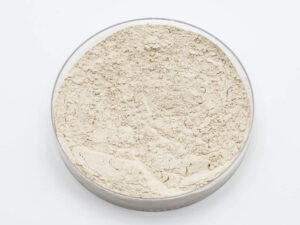
- Form: Available in powder, granular, and liquid suspension.
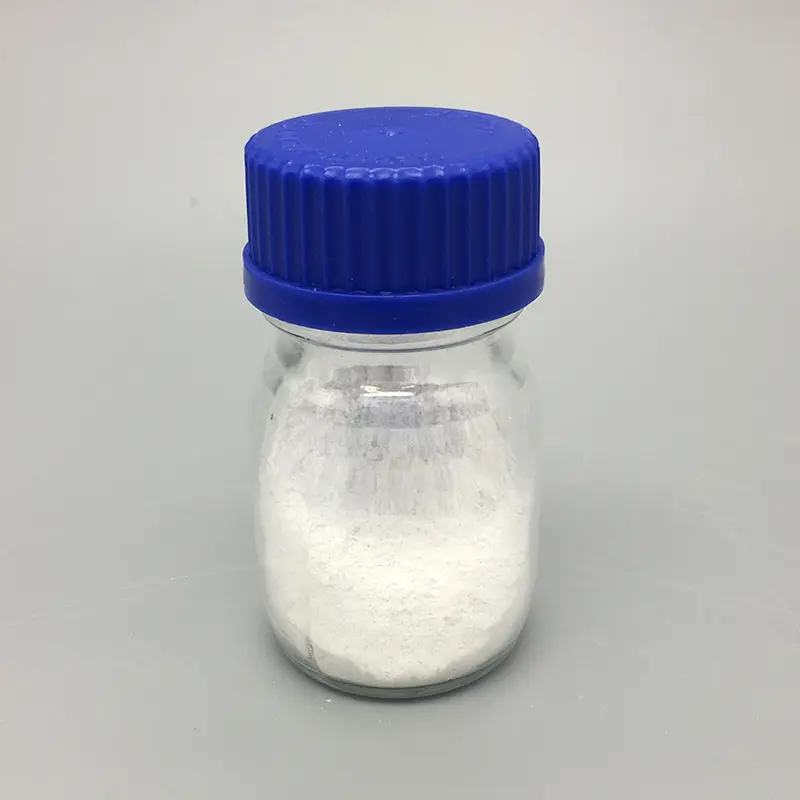
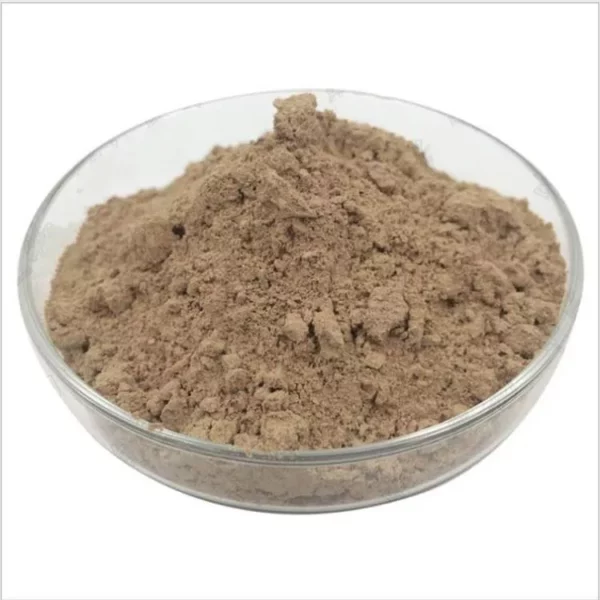
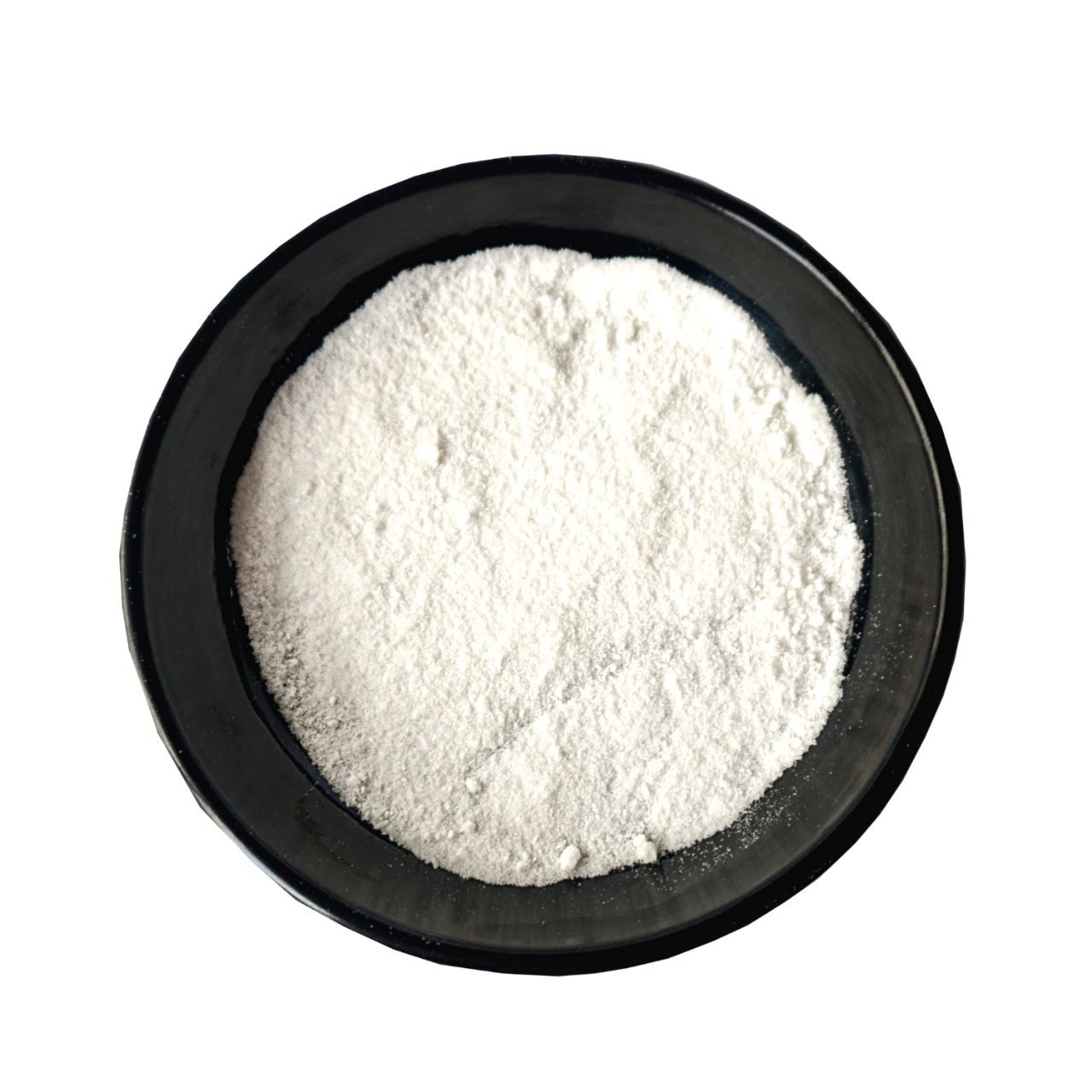
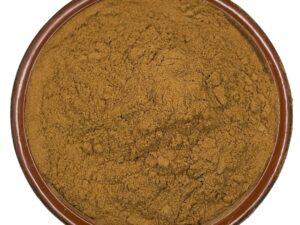
- Color: Powder or granular: dark brown to black. Liquid: brown with earthy odor.
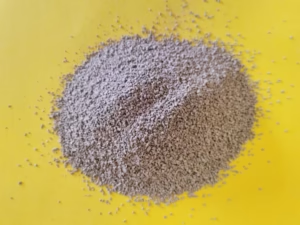
- Particle Size: Powder: 100 to 200 mesh. Granular: 1 to 4 mm.
- Moisture Content: Powder or granular: 20% to 30%. Liquid: 95% to 97%.
- pH: 6.5 to 7.5.
- Packaging Options: Powder or granular: 1 kg laminated pouches, 5 kg buckets, 25 kg HDPE bags with inner liner. Liquid: 250 ml, 500 ml, 1 L HDPE bottles, 5 L and 20 L jerry cans, 200 L drums.
- Shelf Life: Powder or granular: 12 months from date of manufacture when stored below 30°C away from direct sunlight. Liquid: 6 months under recommended storage conditions.
3. Core Industrial Applications
- Primary Industries: Commercial agriculture, organic farming, plantation estates, turf management, forestry nurseries, and agro-input distributors serving row crops, fruits, vegetables, and cash crops.
- Specific Operational Use Cases: Seed treatment, seedling root dip, soil application through broadcasting or drip irrigation, and biofertigation in open field and controlled environment agriculture. Suitable for wheat, rice, maize, cotton, sugarcane, vegetables, and fruit orchards.
- Why This Product Performs Better Than Alternatives: Unlike chemical nitrogen fertilizers that are prone to leaching and volatilization losses, Azotobacter continuously fixes atmospheric nitrogen in the rhizosphere throughout the crop cycle. It also synthesizes plant growth-promoting substances including IAA, gibberellins, and B vitamins.
- Efficiency, Durability, or Cost Advantages: Delivers 15 to 25 kg equivalent nitrogen per hectare per season, reducing urea requirement by 20% to 30%. Improves fertilizer use efficiency of applied NPK, enhances soil microbial health, and has no risk of phytotoxicity or salt index damage. Long-term use improves soil organic carbon and structure.
4. Competitive Advantages
- Quality Consistency: Batch-to-batch CFU count verified by in-house microbiology lab and third-party NABL accredited testing. COA provided with every consignment.
- Supply Reliability: Dedicated fermentation capacity of 500 MT per annum with 3 production sites to ensure uninterrupted supply and contingency redundancy.
- Logistics Capability: Export-ready documentation, phytosanitary certification, and experience shipping to 40+ countries. Temperature-controlled logistics available for liquid formulation.
- Price Competitiveness: Economies of scale and integrated carrier manufacturing enable 15% to 20% lower landed cost versus comparable imported strains at equal CFU guarantees.
- Sustainability or Environmental Benefits: Certified for use in organic agriculture under NPOP and USDA NOP. Supports Scope 3 emission reduction for agri-corporates by displacing synthetic nitrogen. Non-GMO and non-toxic to humans, animals, and beneficial soil fauna.
- Technical Support or Documentation Availability: Full dossier including MSDS, microbial strain ID, efficacy trial data, FCO registration, OMRI equivalency, and agronomic application protocols. On-ground agronomist support for key accounts.
5. Commercial & Supply Information
- Minimum Order Quantity (MOQ): BULK 20MT
- Loading Capacity: 18 to 20 MT per 20 ft container for powder or granular. 16 to 18 MT per 20 ft container for liquid in IBCs or drums.
Reviews
There are no reviews yet.