
Description
1. Product Overview
Monoammonium Phosphate (MAP, 11-52-0) is a high-efficiency, water-soluble phosphate-based fertilizer engineered to deliver critical phosphorus nutrition during early-stage crop development. Its primary industrial use is in broad-acre agriculture, fertigation systems, and starter fertilizer blends, where phosphorus availability dictates root establishment and yield potential. The key value proposition lies in its agronomically optimal nitrogen-to-phosphorus ratio (1:4.7), which minimizes vegetative overshoot while maximizing root biomass. Strategically, MAP is indispensable for global food security, serving as a cornerstone input for high-value row crops, horticulture, and controlled-environment agriculture amid tightening phosphate rock markets.
2. Key Specifications & Technical Characteristics
-
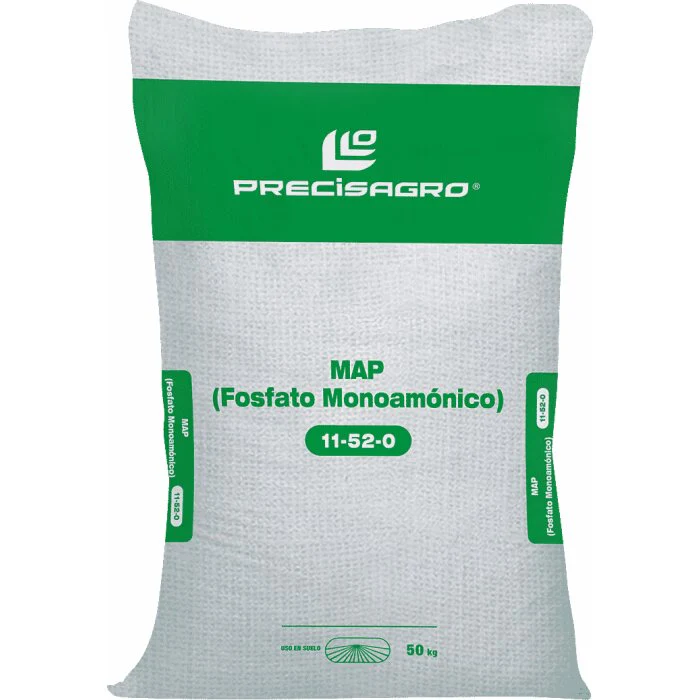
Chemical Composition: Monoammonium Phosphate (NH₄H₂PO₄); N-P-K grade: 11-52-0
-
Purity Level: Minimum 98% purity; phosphorus pentoxide (P₂O₅) content: 52% ± 0.5% as per international fertilizer standards
-
Physical Characteristics:
-
Form: Free-flowing, micro-granular or crystalline powder
-
Color: White to off-white (low-hygroscopicity grade)
-
Particle size: 90%–95% passes through 1–4 mm mesh (granular); 100% passes through 20 mesh (crystalline)
-
Bulk density: 0.95–1.05 g/cm³
-
-
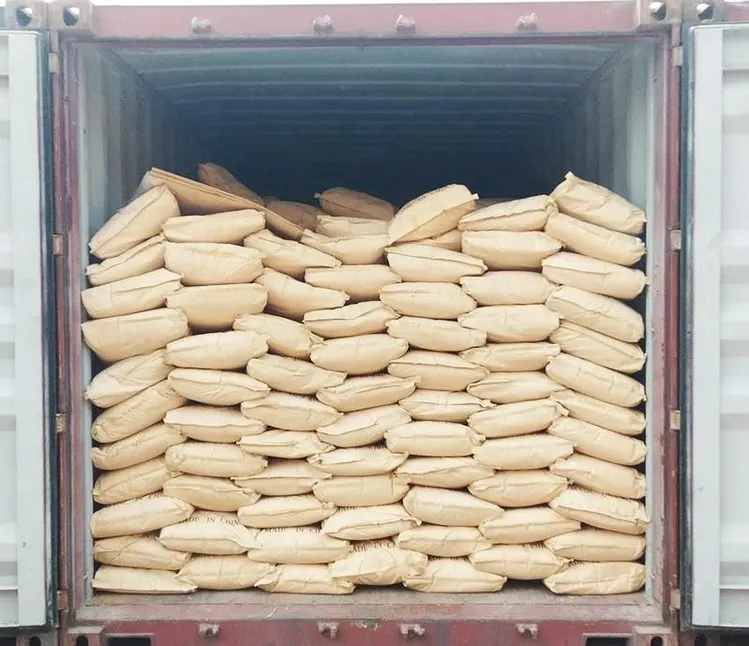
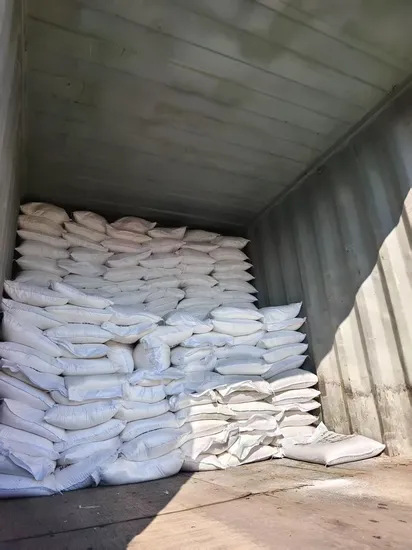
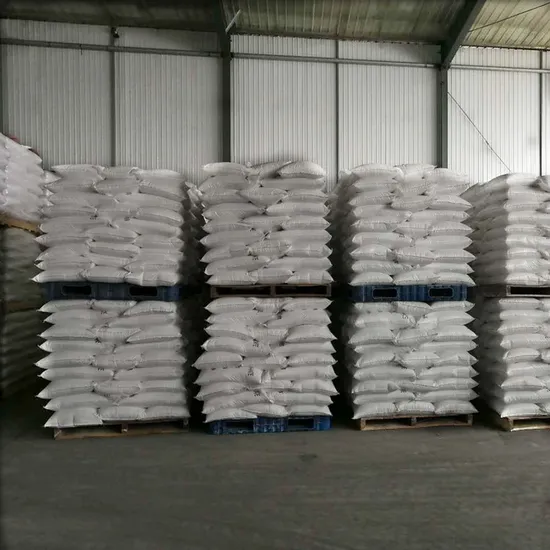
Packaging Options: 25 kg / 50 kg multi-wall laminated bags; 1 MT jumbo bags; bulk in flexitanks or vessel holds
-
Shelf Life: 24 months when stored in dry, cool, ventilated conditions (≤30°C, ≤70% relative humidity)
3. Core Industrial Applications
-
Primary industries: Large-scale row crop farming (corn, wheat, soybean, canola), specialty horticulture (vegetables, citrus, vines), turf & ornamental production, and greenhouse fertigation
-
Operational use cases:
-
Starter fertilizer: Placed 2–3 cm below seed at planting to accelerate root architecture and cold-weather phosphorus uptake
-
Fertigation: Dissolves completely in drip or pivot irrigation systems with low chloride and heavy metal content
-
Blending component: Mixed with ammonium sulfate, urea, or potash to create custom NPK grades without segregation issues
-
-
Performance vs. alternatives: Compared to DAP (18-46-0), MAP provides a lower salt index (29.9 vs. 34.2) and reduces ammonia volatilization risk in low-soil-pH or sandy conditions. Versus single superphosphate (SSP), MAP delivers >3× the P₂O₅ concentration per ton, lowering freight and application costs by 40–60%.
4. Competitive Advantages
-
Quality consistency: ISO 9001:2025-certified production with real-time NIR spectrometric batch testing; impurity limits: Cd ≤ 5 ppm, Pb ≤ 10 ppm, As ≤ 3 ppm
-
Supply reliability: Multi-source procurement from Morocco, Russia, and China with 10,000 MT month-over-month contract stability; safety stock held in Rotterdam, Houston, and Singapore hubs
-
Logistics capability: Dedicated bulk vessel charters + rail-to-truck transload nodes enabling 7-day lead time for bulk orders to any major agricultural region
-
Price competitiveness: Long-term offtake agreements deliver 8–12% below regional spot indices for volumes ≥5,000 MT
-
Sustainability & documentation: Available with chain-of-custody certification for low-carbon phosphate extraction (Scope 3 emissions reduction); full SDS, phytotoxicity reports, and blend compatibility matrices provided with each shipment
5. Commercial & Supply Information
-
Minimum order quantity (MOQ): BULK 20 metric tons (MT)
-
Loading capacity: 27 MT per 20-foot dry container (palletized, 25 kg bags); 25 MT per 20-foot open-top container (jumbo bags); up to 55,000 MT per Handysize vessel (bulk)
Reviews
There are no reviews yet.