
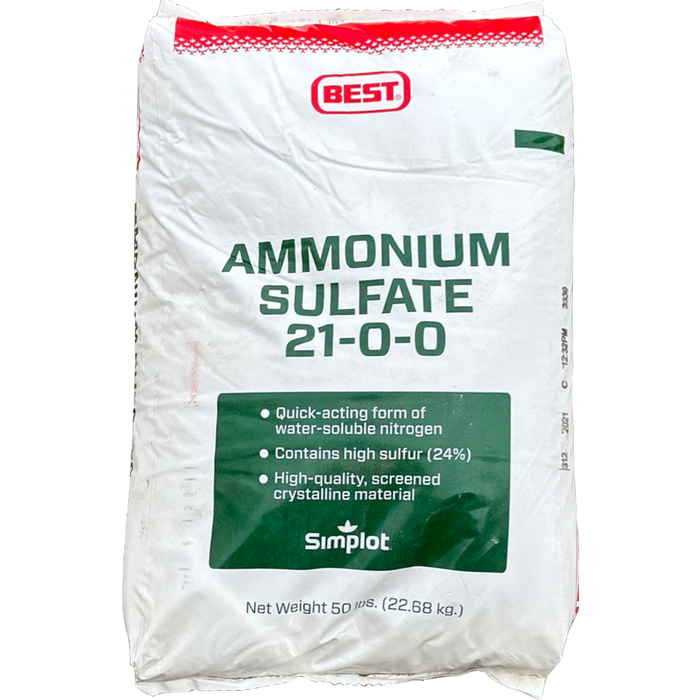
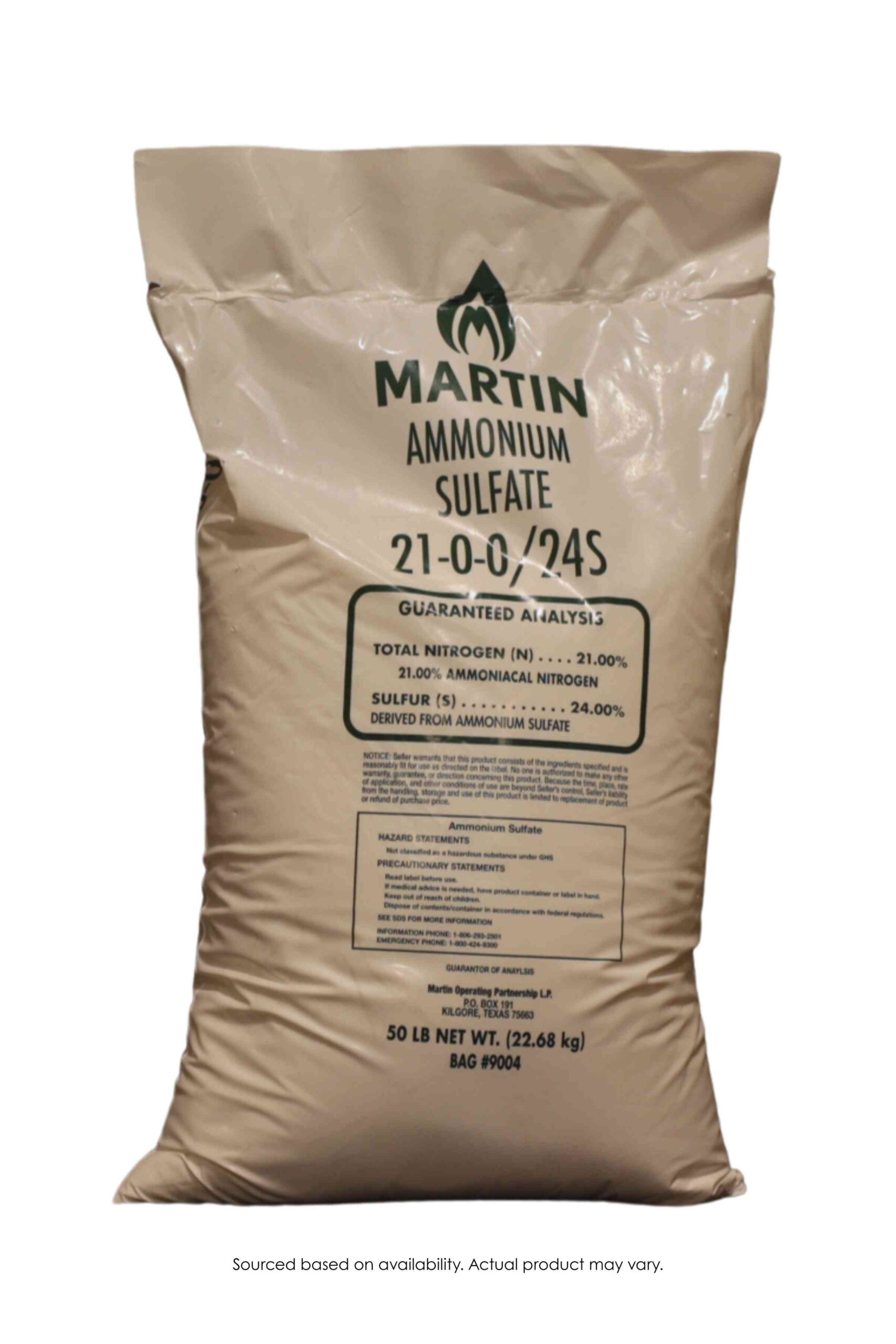
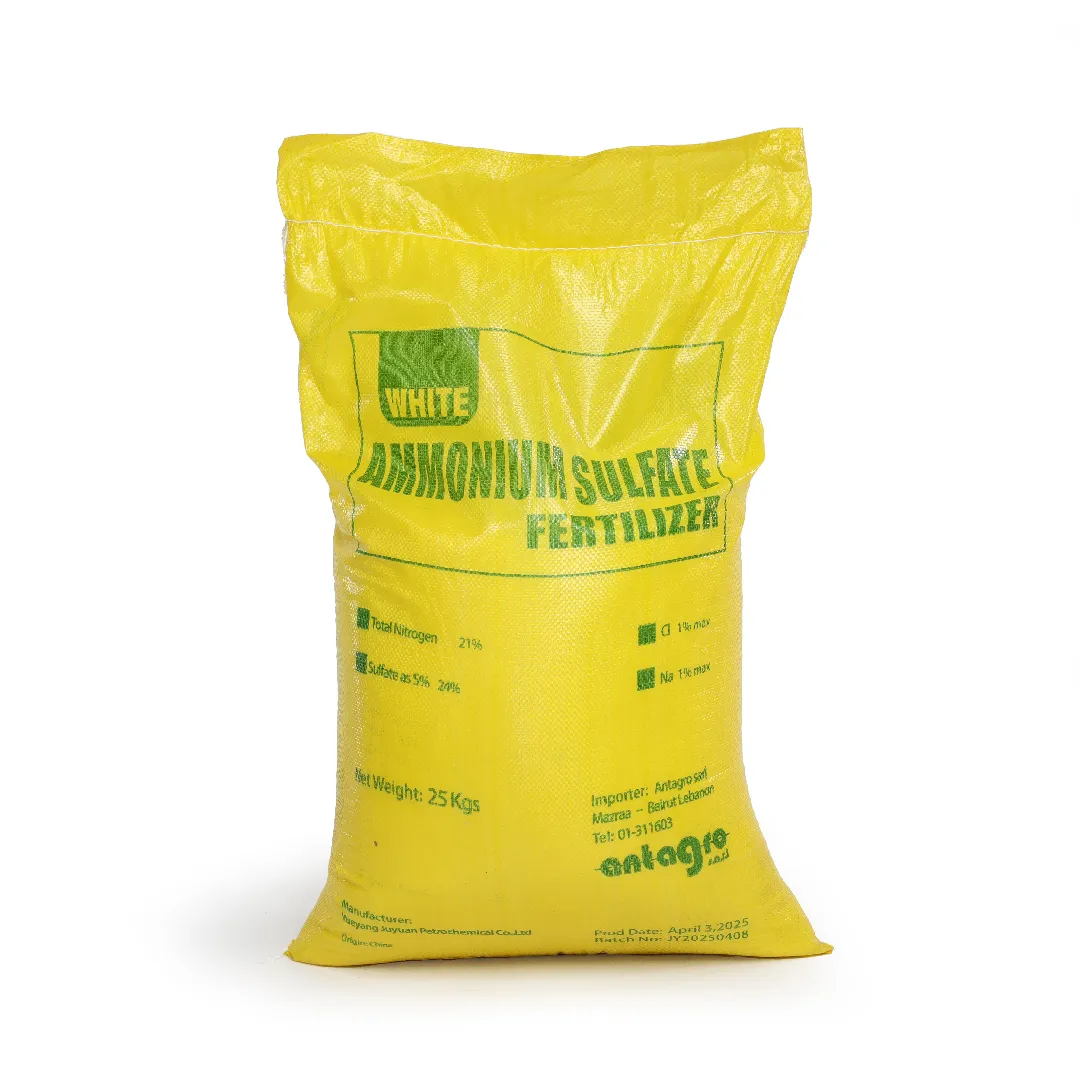
Description
1. Product Overview
Ammonium Sulfate (AS) is a high-efficiency, inorganic nitrogen-sulfur fertilizer and industrial intermediate, chemically synthesized from ammonia and sulfuric acid. Its primary industrial use spans bulk crop nutrition (providing 21% nitrogen + 24% sulfur) and pH-adjusting agents in water treatment, textiles, and pharmaceuticals. The key value proposition lies in its dual-nutrient delivery—simultaneously feeding nitrogen for vegetative growth while correcting sulfur deficiencies in alkaline soils, a critical advantage over urea. Strategically, AS is indispensable for global food security and industrial manufacturing, offering a cost-effective, non-leachable nitrogen source with rising demand as sulfur-deficient soils expand worldwide.
2. Key Specifications & Technical Characteristics
-
Chemical composition: (NH₄)₂SO₄ — CAS No. 7783-20-2
-
Purity level: 99.0% – 99.5% (minimum), conforming to GB/T 535-2020 / HG/T 5744-2020 standards
-
Physical characteristics:
-
Form: White or off-white hygroscopic crystalline powder / granulated prills
-
Particle size: 2–4 mm (standard granular); 0.5–1.5 mm (powder)
-
Bulk density: 750–850 kg/m³
-
Free acid (H₂SO₄): ≤ 0.05%
-
Moisture content: ≤ 0.3%
-
-
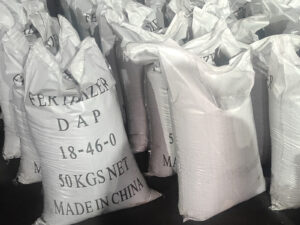
Packaging options: 50 kg PP/PE woven bags; 1,000–1,200 kg jumbo big bags; bulk vessel loading for industrial buyers
-
Shelf life: 24 months in dry, ventilated, ambient conditions (avoid direct sunlight and high humidity)
3. Core Industrial Applications
-
Agriculture (70% of global demand): Direct soil application for oilseeds (canola, sunflower), corn, wheat, and rice. Outperforms urea in sulfur-deficient, high-pH, and calcareous soils because AS resists ammonia volatilization (loss < 1% vs. urea’s 20–30%) and provides readily available sulfate-sulfur.
-
Industrial water treatment: As a flocculant aid and pH control agent in municipal and refinery wastewater. Superior to alum due to lower heavy metal residue and better solubility in cold water.
-
Food & beverage (FCC grade): Yeast nutrient in fermentation (bread, beer, wine). Preferred over diammonium phosphate for its neutral flavor profile and precise nitrogen dosing.
-
Textiles & fire retardants: Dye fixing agent for acid dyes on wool/nylon; flame retardant additive for cellulosic materials. Offers cost advantage over ammonium polyphosphate by 15–20% per pound of nitrogen.
-
Pharmaceuticals & leather: Protein precipitation and hide deliming agent – chosen for its mild acidity and consistent crystal morphology.
4. Competitive Advantages
-
Quality consistency: ISO 9001:2025 certified multi-plant sourcing with SGS/Intertek batch testing; impurity variation < 0.02% between lots.
-
Supply reliability: Year-round dedicated production capacity of 500,000 MT/year, with buffer stock at 7 regional hubs (Rotterdam, Singapore, Houston, Shanghai, Dubai, Santos, Durban).
-
Logistics capability: Direct terminal loading for bulk vessels (up to 25,000 MT/shipment); rail-to-truck transload within 48 hours for just-in-time delivery.
-
Price competitiveness: Fixed quarterly pricing via formula tied to ammonia + sulfur indices (Argus/ICIS), with volume-based rebates above 5,000 MT/month.
-
Sustainability: Non-urea alternative reduces soil acidification; byproduct-based AS (from caprolactam manufacturing) available with 40% lower carbon footprint.
-
Technical support: Agronomic modeling reports, SDS/GHS multilingual docs, and custom granulation sizing (1–6 mm) at no extra charge for contract buyers.
5. Commercial & Supply Information
-
Minimum Order Quantity (MOQ): BULK 20MT (20 metric tons) – one standard 20′ container or flexitrain equivalent.
-
Loading capacity: 24–27 MT per 20′ dry container (palletized jumbo bags); 22–24 MT per 20′ open-top container (bulk polyethylene liner); 3,000–5,000 MT per handysize vessel.
Reviews
There are no reviews yet.