
Description
1. Product Overview
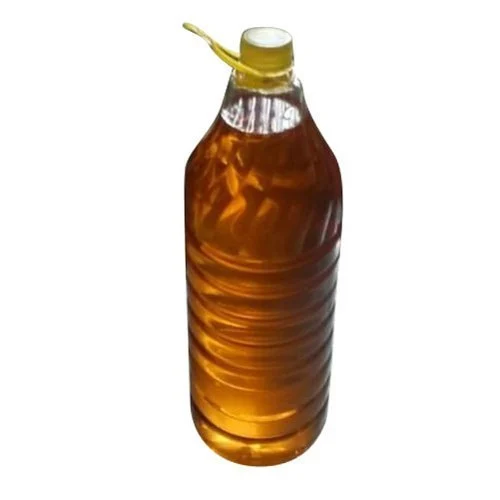
Methacrylated epoxidized soybean oil (MESO) is a high-performance, bio-based reactive diluent and oligomeric modifier derived from renewable soybean oil through epoxidation and subsequent methacrylation. It is primarily used to reduce viscosity and enhance crosslinking density in UV-curable coatings, adhesives, and photopolymer resins, replacing petroleum-based acrylates. The key value proposition lies in its ability to improve flexibility, impact resistance, and adhesion while maintaining fast cure speeds—offering a strategic pathway for formulators to lower carbon footprint without sacrificing mechanical performance. As regulatory and ESG pressures intensify, MESO serves as a critical enabler for sustainable, high-solid coatings and 3D printing resins globally.
2. Key Specifications & Technical Characteristics
-
Chemical composition: Methacrylated epoxidized soybean oil (typical methacrylation degree: 85–95%)
-
Purity / Grade: Industrial grade ≥95% (non-volatile matter); residual epoxy content <5%
-
Physical characteristics:
-
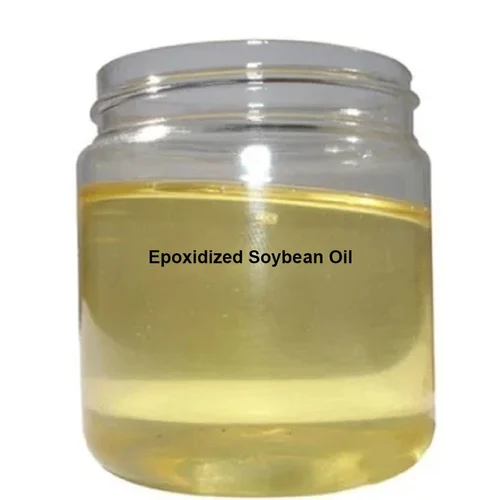
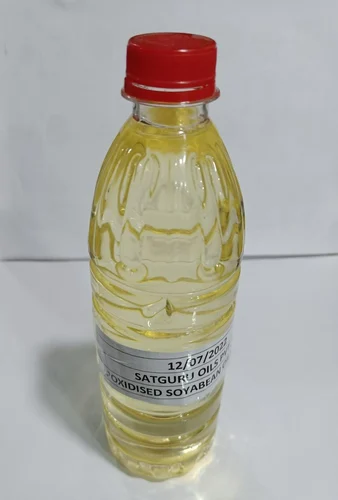
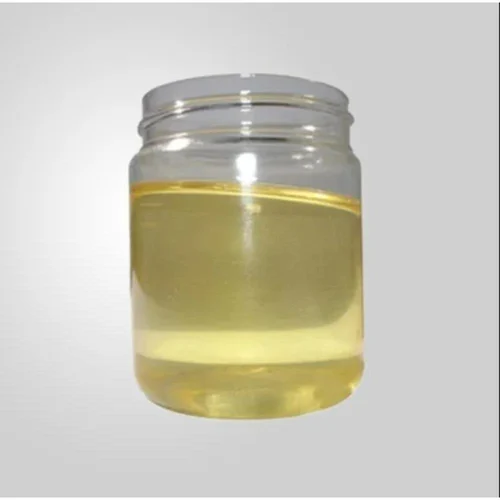
Form: Viscous liquid
-
Color: Pale yellow to amber (Gardner ≤8)
-
Viscosity: 600–1,500 cP @ 25°C
-
Density: ~1.02–1.06 g/cm³ @ 25°C
-
Functionality: 3–4 methacrylate groups per triglyceride backbone
-
-
Packaging options: 25 kg HDPE drums, 200 kg steel drums, 1,000 kg IBC totes, bulk flexitanks
-
Shelf life: 12 months (stored in original sealed container, <40°C, away from UV/initiators)
3. Core Industrial Applications
-
UV-curable coatings (wood, metal, plastics): Used as reactive diluent (10–40% loading) to replace toxic styrene or TMPTA. MESO improves substrate wetting and interlayer adhesion while reducing shrinkage stress—outperforming standard acrylates in flexibility and impact resistance.
-
UV adhesives & electronics encapsulation: Enables low-viscosity formulations for precision dispensing. Its soy-based backbone provides superior damp-heat resistance and dielectric properties compared to petrochemical alternatives.
-
Additive manufacturing (3D printing resins): Mixed into photopolymer resins to reduce brittleness and warpage. MESO-based resins show higher toughness and lower oxygen inhibition, resulting in faster print speeds and fewer failed prints.
-
Pressure-sensitive adhesives (PSAs) & anaerobic threadlockers: Enhances low-temperature flexibility and peel strength without migration issues typical of liquid plasticizers.
4. Competitive Advantages
-
Quality consistency: ISO 9001:2025-certified production with batch-to-batch viscosity and functionality control; full GC/MS and FTIR traceability.
-
Supply reliability: Backed by integrated soybean oil refining and chemical modification; buffer inventory of 500+ MT across regional hubs (North America, EU, Asia).
-
Logistics capability: Global door-to-door shipping with hazardous cargo classification (non-RQ, Class 9) management; temperature-controlled containers available.
-
Price competitiveness: Lower cost per reactive equivalent than aliphatic urethane acrylates and isobornyl acrylate; stable pricing through agricultural supply chain hedging.
-
Sustainability & environmental: 100% renewable carbon (ASTM D6866); VOC-free; contributes to GreenScreen Silver certification for finished goods.
-
Technical support: Full formulary guide, compatibility matrices (with epoxy acrylates, polyesters, photoinitiators), and custom methacrylation degree available.
5. Commercial & Supply Information
-
Minimum order quantity (MOQ): 1 MT (1,000 kg) for first-time buyers; 20 MT for contract pricing
-
Bulk loading capacity: 20 MT per 20-ft standard container (flexitank) or 20 MT per ISO tank container
-
Lead time: 2–3 weeks for 1–10 MT; 4 weeks for 20 MT bulk orders
-
Incoterms: EXW, FOB (Rotterdam / Houston / Shanghai), CIF major ports


Reviews
There are no reviews yet.