
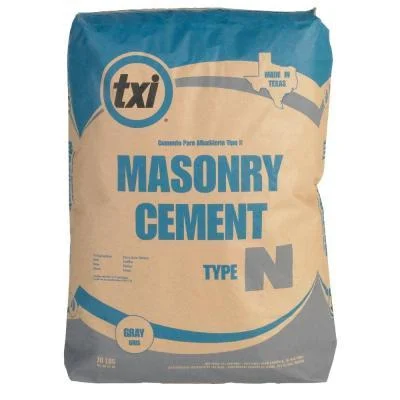
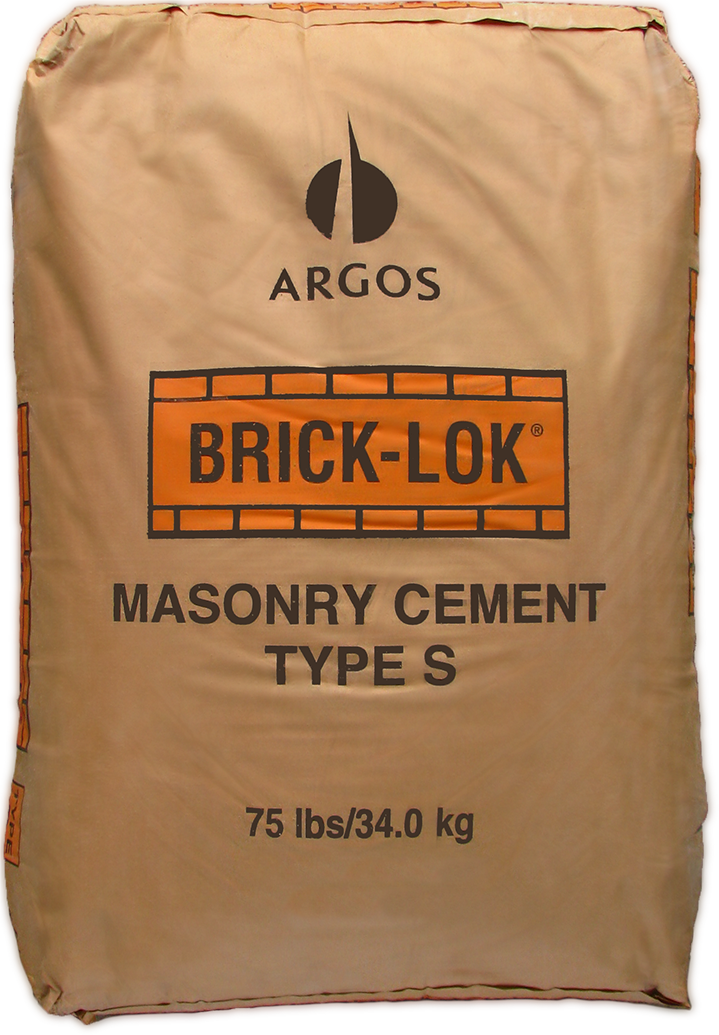
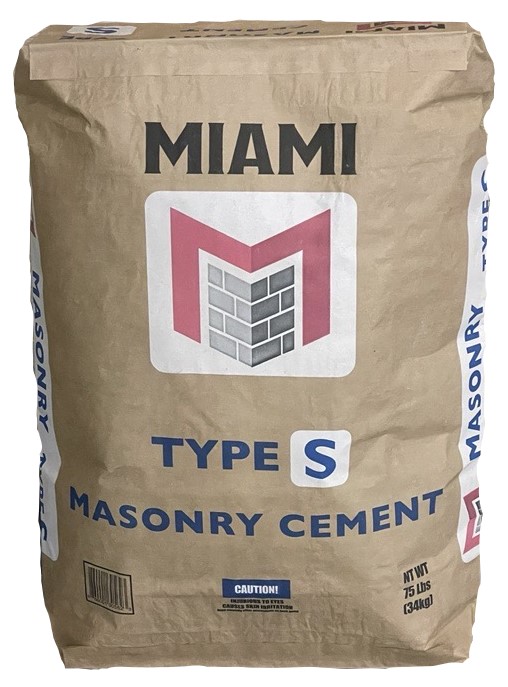
Description
1. Product Overview
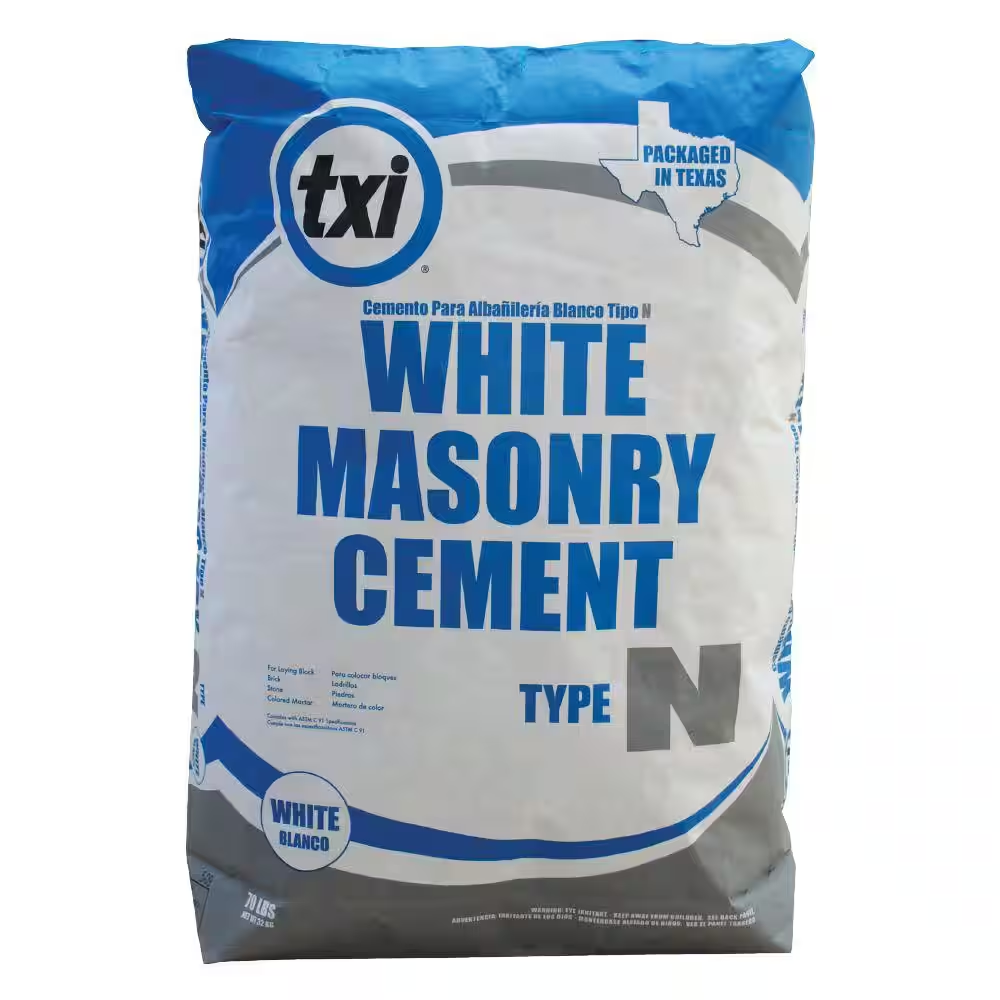
Masonry Cement is a specialized hydraulic binder engineered for high-performance mortar and stucco applications in commercial, residential, and infrastructure projects. It is primarily used to bond masonry units (brick, block, stone) and create durable plaster finishes. The key value proposition lies in its superior workability, water retention, and consistent compressive strength—reducing material waste and labor costs on large-scale job sites. As global construction standards tighten around durability and speed, Masonry Cement has become a strategic procurement category for contractors and developers seeking predictable, code-compliant results.
2. Key Specifications & Technical Characteristics
-
Chemical Composition: Portland cement clinker (≥60%), finely ground limestone or inert fillers, plasticizing additives (ASTM C91 / EN 413-1 compliant)
-
Purity Level / Grade: Type N (general purpose), Type S (high strength), or Type M (load-bearing); sulfate-resistant variants available
-
Physical Characteristics:
-
Form: Fine powder, aerated
-
Color: Gray (standard) or white (premium)
-
Particle size: 90% passing 45 µm (Blaine fineness: 350–450 m²/kg)
-
Bulk density: 1,200–1,400 kg/m³ (loose)
-
-
Packaging Options: 40 kg multi-wall paper bags, 1.5 MT jumbo sacks, or pneumatic bulk tanker delivery
-
Shelf Life: 6 months in dry, original packaging (extendable to 12 months with climate-controlled storage)
3. Core Industrial Applications
-
Primary industries: General construction, precast concrete products, restoration contractors, government infrastructure, and ready-mix mortar producers
-
Operational use cases:
-
Laying brick/block walls (Type N for veneers, Type S for retaining walls)
-
Stucco and scratch coats for exterior insulation finish systems (EIFS)
-
Historic masonry restoration (low-shrinkage Type K equivalent blends)
-
-
Why it performs better than alternatives:
-
Higher water retention (≥85%) prevents rapid drying and cracking in hot climates
-
Reduced segregation during mixing → consistent mortar joints without re-tempering
-
-
Efficiency / cost advantage: 15–20% less cementitious material per m³ compared to field-mixed Portland-lime mortars; lowers total landed cost per pallet laid
4. Competitive Advantages
-
Quality consistency: ISO 9001:2025 certified plants; every batch tested for setting time (initial set ≥90 min, final set ≤24 h) and air content (6–12%)
-
Supply reliability: Multiple production hubs (Asia, MENA, LATAM) with 48-hr dispatch guarantee for bulk orders
-
Logistics capability: Dedicated bulk cement vessels and pressurized tankers; bagged pallets shrink-wrapped for ocean freight
-
Price competitiveness: Direct mill pricing + volume tier discounts (≥5,000 MT)
-
Sustainability: Up to 20% recycled industrial filler content; lower CO₂ per MPa than traditional mortars
-
Technical support: Free mix design optimization, on-site set time testing, and SDS/ASTM certificates in 12 languages
5. Commercial & Supply Information
-
Minimum Order Quantity (MOQ): 20 metric tons (MT) per product type/grade
-
Loading capacity per container:
-
20 ft standard container: 24 MT (jumbo bags or palletized paper bags)
-
20 ft bulk pneumatic container: 22 MT (dry powder)
-
40 ft HC container (bagged): 26 MT (shrink-wrapped, double-stacked pallets)
-
Reviews
There are no reviews yet.