

Description
1. Product Overview
Industrial-grade margarine is a water-in-oil emulsion formulated from refined vegetable oils, emulsifiers, and food-grade additives, designed for high-throughput food production. Its primary industrial use is as a cost-efficient, functional fat replacement in baking, confectionery, and prepared foods. The key value proposition is batch-to-batch uniformity, thermal stability, and extended shelf life at a lower cost than butter or bakery shortenings. Strategically, it enables manufacturers to hedge against dairy price volatility while maintaining texture, mouthfeel, and processability.
2. Key Specifications & Technical Characteristics
-
Chemical composition: Refined palm oil, palm fractions, non-hydrogenated vegetable oils (soy, rapeseed, or sunflower), water, mono- and diglycerides (E471), lecithin (E322), potassium sorbate, citric acid, beta-carotene (color), artificial or natural flavor
-
Purity / grade: Food-grade, industrial manufacturing grade (not for direct retail table use)
-
Physical characteristics: Smooth, semi-solid plastic emulsion; light yellow; dropping point 38–44°C; density approx. 0.92–0.95 g/cm³ at 20°C; water content 14–16%
-
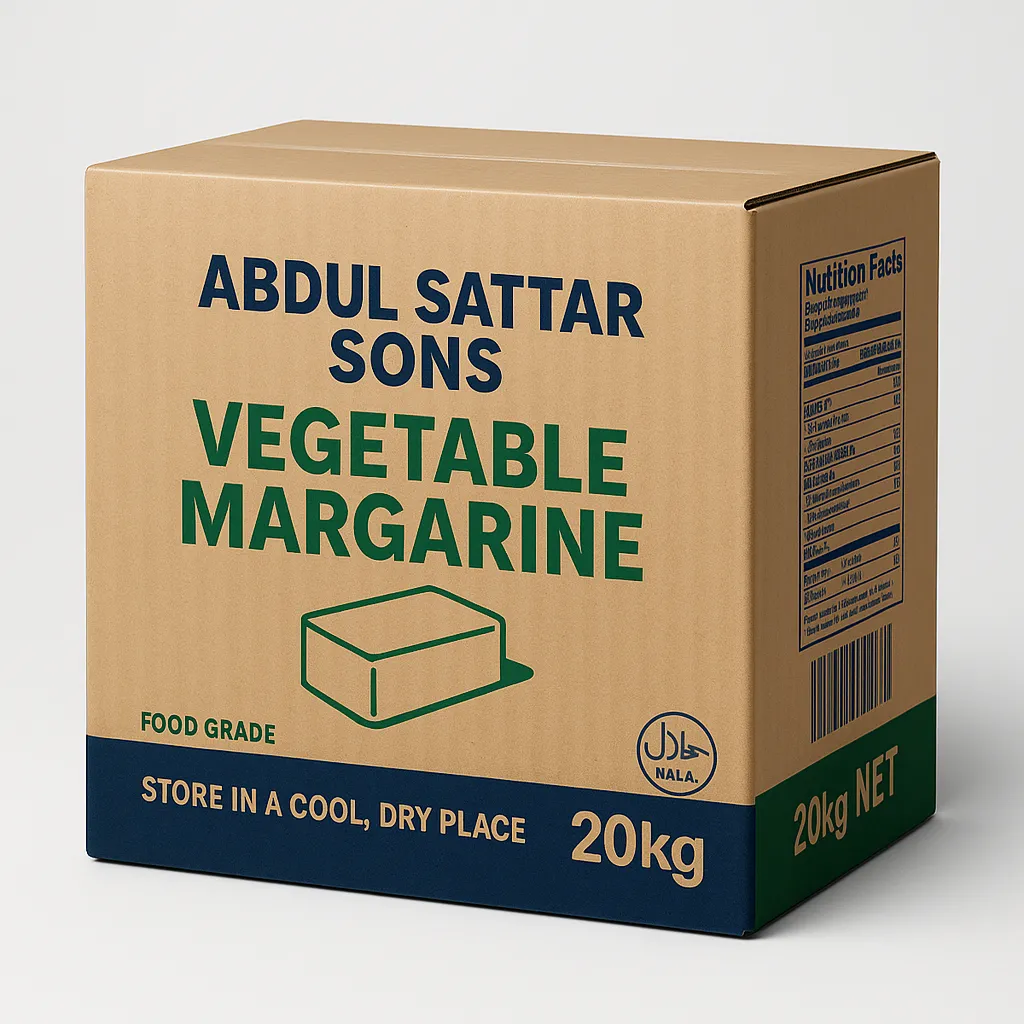
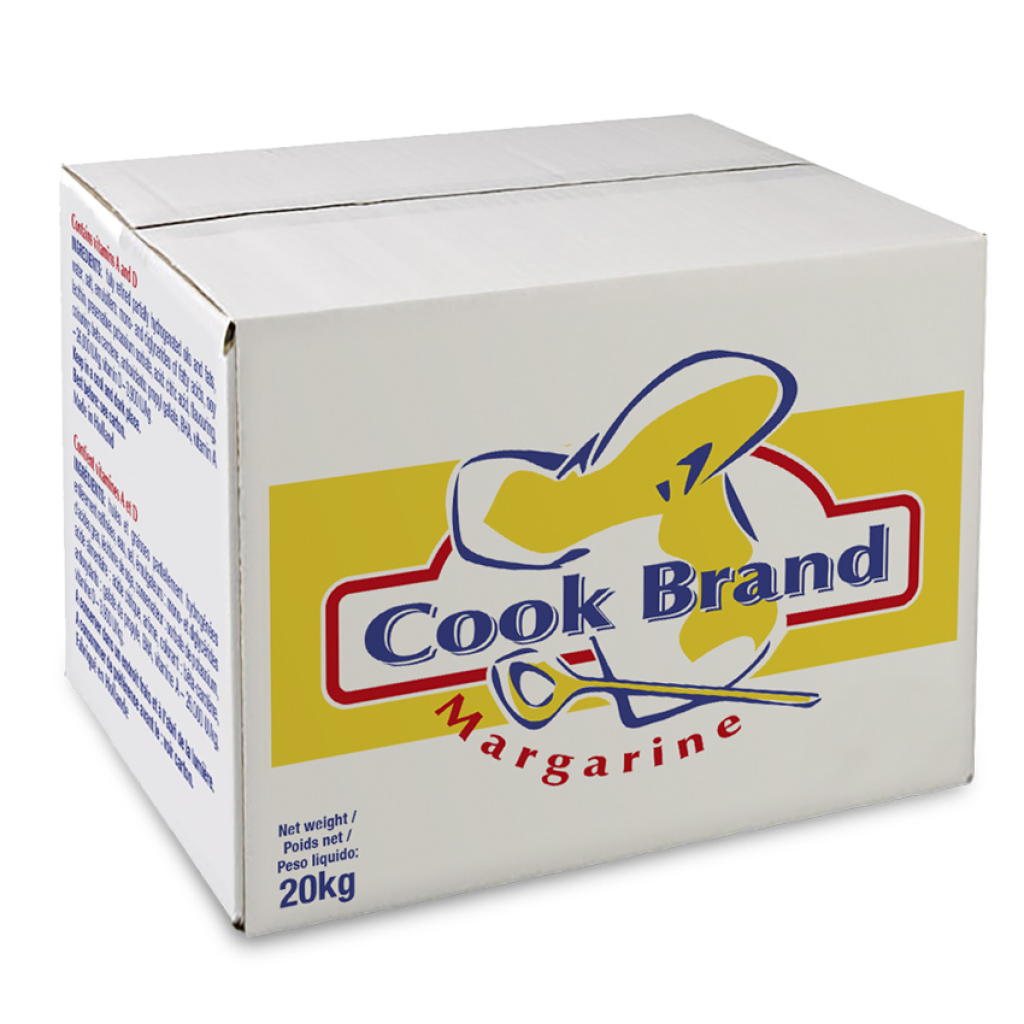
Packaging options: 20 kg carton boxes with inner plastic liner, 20–25 kg polypropylene bags, 1,000 kg totes, or bulk tanker (liquid, temperature-controlled)
-
Shelf life: 12 months from production date when stored below 25°C, away from light and odor sources
3. Core Industrial Applications
-
Baking industry: Used in laminated doughs (croissants, puff pastry), cookies, cakes, and pie crusts — its plastic range ensures consistent layering and flakiness
-
Confectionery: Cream fillings, compound coatings, and enrobing fats — high oxidative stability prevents rancidity and flavor transfer
-
Prepared foods: Instant soup bases, sauces, and fried snack coatings — outperforms liquid oils in handling and provides superior mouthfeel without greasiness
-
Cost advantage: Replaces butter or anhydrous milk fat at 40–60% lower ingredient cost, with no rework in high-speed lines due to consistent viscosity
4. Competitive Advantages
-
Quality consistency: ±1.5% fat content tolerance per batch; SFC (solid fat content) curve verified via pulsed NMR before shipment
-
Supply reliability: 98.5% on-time-in-full (OTIF) rate across six regional warehouses serving 40+ countries
-
Logistics capability: Temperature-controlled fleet (15–20°C) with real-time tracking for bulk and palletized shipments
-
Price competitiveness: Direct refinery partnerships eliminate 2–3 intermediary margins; volume discounts from 500 MT/month
-
Sustainability: RSPO Mass Balance certified available; no partially hydrogenated oils (zero trans fat) compliant with WHO and FDA regulations
-
Technical support: Full SDS, allergen declaration, Halal, HACCP, and kosher certificates provided; on-call food technologist for line integration
5. Commercial & Supply Information
-
Minimum order quantity (MOQ): 20 metric tons (one full less-than-container load consolidation)
-
Bulk loading capacity: 20–22 MT per 20-foot standard container (palletized boxed product); 24 MT per 20-foot refrigerated container (bulk totes)


Reviews
There are no reviews yet.