
Description
1. Product Overview
Cellulase is a multi-component enzyme complex that catalyzes the hydrolysis of cellulose into glucose, cellobiose, and smaller cello-oligosaccharides. Its primary industrial use spans biofuel production, textile biopolishing, pulp & paper processing, and animal feed enhancement where controlled breakdown of plant fiber is critical. The key value proposition is improved process efficiency, reduced chemical consumption, and higher yield of fermentable sugars or softer textiles with lower environmental impact. Beta-glucosidase, a key component within the cellulase complex, ensures complete conversion of cellobiose to glucose, preventing feedback inhibition and maximizing saccharification rates. Strategically, cellulase is essential to the global shift toward bio-based manufacturing, circular economy initiatives, and cost-effective lignocellulosic waste valorization.
2. Key Specifications & Technical Characteristics
- Chemical composition or material components: Complex of endoglucanase, exoglucanase (cellobiohydrolase), and beta-glucosidase; produced from Trichoderma reesei or Aspergillus niger fermentation
- Purity level or grade: Industrial grade ≥10,000 U/g to 200,000 U/g; Food/Feed grade ≥50,000 U/g; Optional ≥98% protein purity on request
- Physical characteristics:
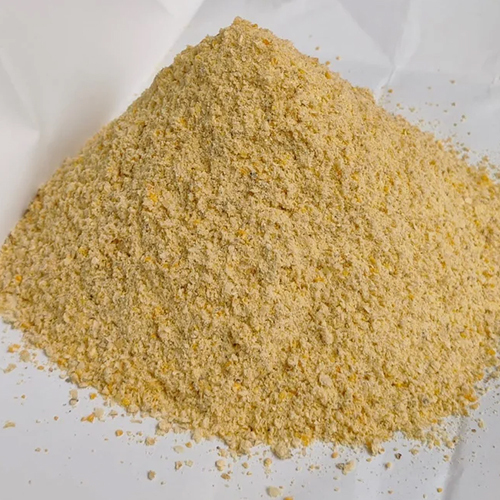
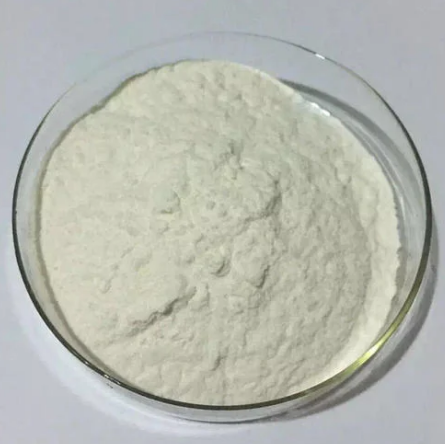
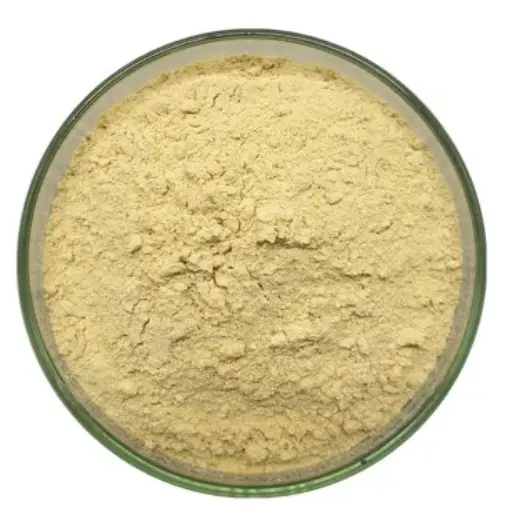
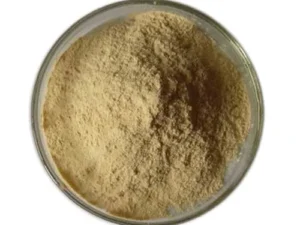
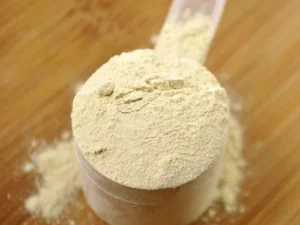
- Form: Light tan to brown powder or amber liquid
- Particle size: 80–120 mesh for powder
- Bulk density: 0.5–0.7 g/cm³ for powder; 1.05–1.15 g/mL for liquid
- Solubility: Fully soluble in water; pH 4.5–5.5 optimum
- Activity: Stable at 50–65°C; optimum temperature 55°C
- Packaging options: 25kg HDPE drums with inner PE liner for powder; 25kg/200kg plastic drums or 1000L IBC totes for liquid; custom packaging available
- Shelf life: 24 months for powder and 12 months for liquid when stored at 2–8°C in sealed, light-protected containers; 6 months at ≤25°C
3. Core Industrial Applications
- Primary industries that use this product: Bioenergy & bioethanol, textiles & denim finishing, pulp & paper, animal nutrition, detergents, and food & beverage processing
- Specific operational use cases:
- Biofuel: Saccharification of agricultural residues and energy crops for 2G ethanol production
- Textiles: Biopolishing of cotton and denim stonewash replacement to achieve soft hand-feel and faded appearance
- Pulp & Paper: Deinking of recycled paper and fiber modification to improve drainage and strength
- Animal Feed: Pre-treatment of fibrous feedstocks to increase digestibility and metabolizable energy for monogastrics and ruminants
- Detergents: Anti-pilling and color-brightening agent in premium laundry formulations
- Why this product performs better than alternatives: Engineered enzyme ratios deliver complete cellulose conversion without accumulation of inhibitory cellobiose due to high beta-glucosidase activity. Operates under milder pH/temperature vs. acid hydrolysis, reducing equipment corrosion and energy costs.
- Efficiency, durability, or cost advantages: Reduces processing time by 15–30% vs. standard blends; lowers caustic/acid usage by up to 40% in textiles and pulp; increases ethanol yield by 8–12% per ton of biomass; enzyme recycling protocols available for continuous processes
4. Competitive Advantages
- Quality consistency: Batch-to-batch activity variance <5% guaranteed by HPLC and DNS assay QC; ISO 9001:2015 and FSSC 22000 certified production
- Supply reliability: Dedicated 5,000 MT/year fermentation capacity with dual-site manufacturing to mitigate supply chain disruption
- Logistics capability: EXW, FOB, CIF, DDP terms available; global warehousing in Rotterdam, Houston, and Singapore for 14-day delivery to major ports
- Price competitiveness: Tiered pricing for annual contracts; 10–18% cost advantage vs. leading EU/US brands at equivalent activity due to integrated strain development and scale
- Sustainability or environmental benefits: Non-GMO strains available; carbon footprint 35% lower than chemical alternatives; 100% biodegradable; supports REACH, USDA BioPreferred, and EU Ecolabel compliance
- Technical support or documentation availability: Full COA, TDS, MSDS, Kosher, Halal, and non-GMO certificates; application engineers provide dosing optimization, compatibility testing, and on-site trials
5. Commercial & Supply Information
- Minimum order quantity (MOQ): BULK 20MT
- Loading capacity (MT per container): 20MT per 20ft FCL for powder; 18MT per 20ft FCL for liquid in IBC totes
Reviews
There are no reviews yet.