
Description
1. Product Overview
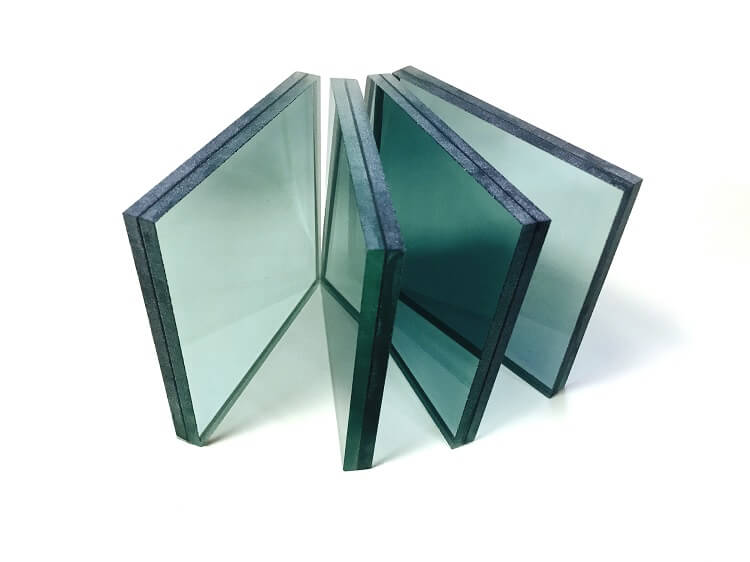
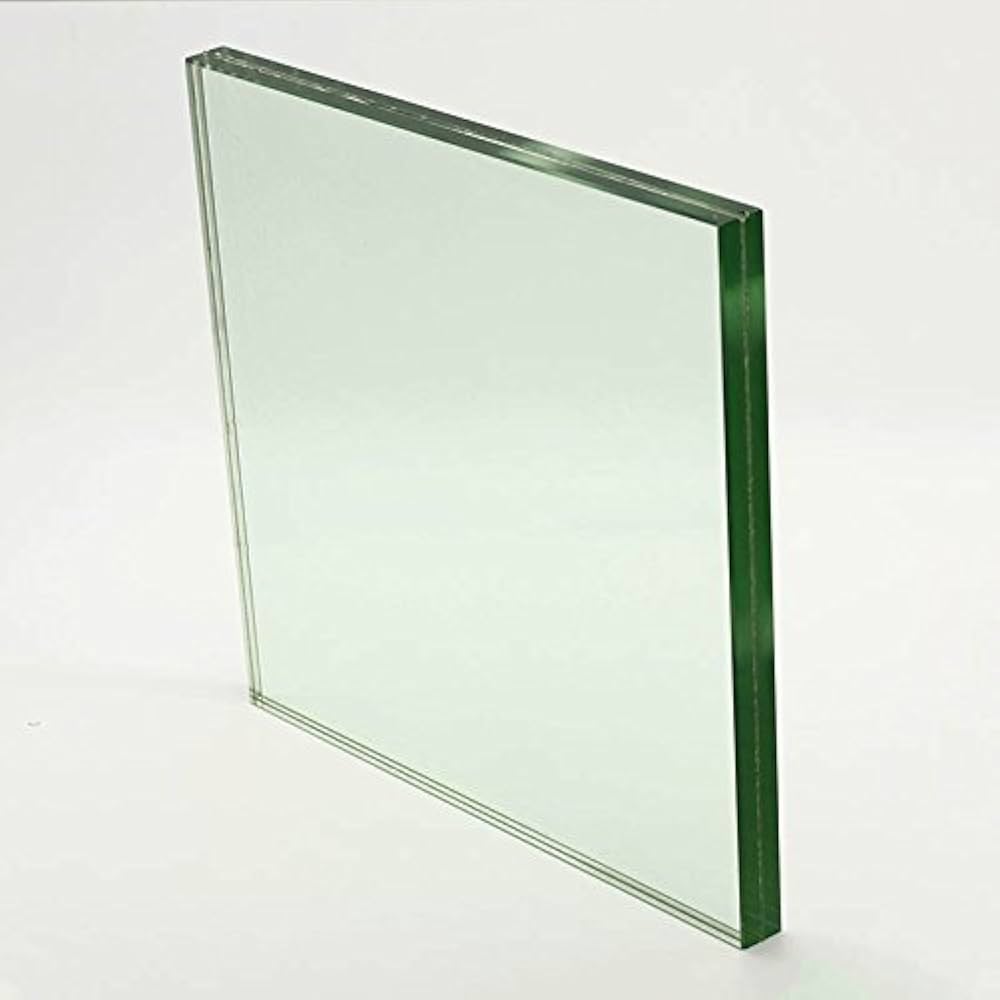
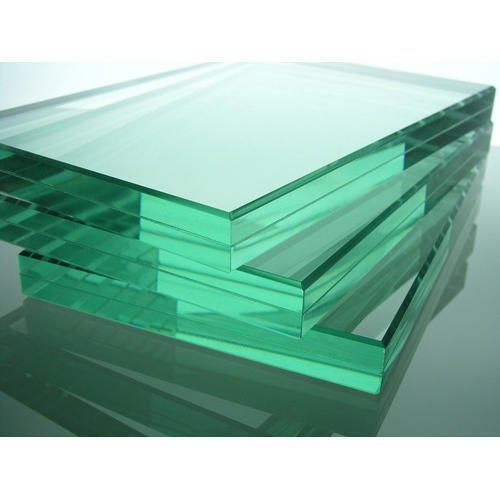
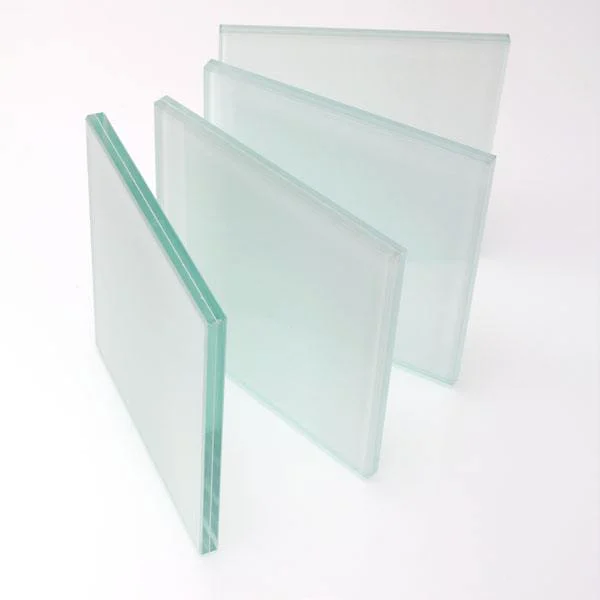
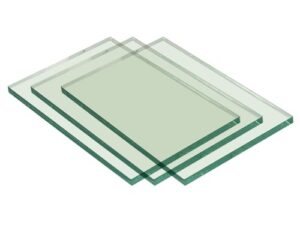
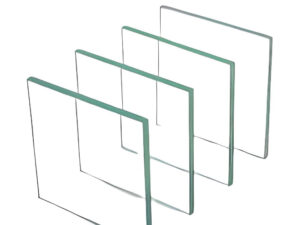
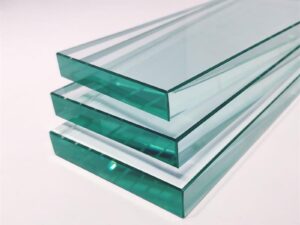
Laminated safety glass consists of two or more glass layers bonded with a polyvinyl butyral (PVB) or ionoplast interlayer. It is primarily used in facades, skylights, hurricane-resistant glazing, automotive windshields, and ballistic barriers. The key value proposition is post-breakage integrity: glass fragments adhere to the interlayer, preventing fallout and reducing injury. Its strategic importance lies in meeting rising global safety standards (ANSI Z97.1, EN 12600, UL 752) while offering forced-entry and blast-mitigation performance.
2. Key Specifications & Technical Characteristics
-
Material components: Float or patterned glass + PVB (0.38mm–2.28mm) or SentryGlas® ionoplast interlayer
-
Glass types: Clear, low-iron, tinted, reflective, or heat-strengthened
-
Thickness range: 4mm–50mm total (e.g., 3mm+0.38+3mm up to 12mm+2.28+12mm)
-
Physical form: Flat panels up to 3300mm × 8000mm; custom cut sizes available
-
Color: Clear (standard), bronze, gray, green, blue, or custom ceramic frit
-
Density: ~2.5 g/cm³ (glass); interlayer ~1.07 g/cm³
-
Packaging: Interleaved paper, A-frames, or wooden crates with edge protection
-
Shelf life: Indefinite in dry, shaded storage (interlayer requires ≤25°C, <60% RH if unsealed)
3. Core Industrial Applications
-
Architecture (commercial & residential): Curtain walls, balustrades, overhead glazing, hurricane shutters → outperforms tempered glass alone by retaining panel in frame under impact.
-
Automotive: Windshields and side lites → PVB reduces UV transmission (>99%) and provides acoustic dampening (STC up to 40).
-
Security & defense: Bank teller windows, prison glazing, embassy blast shields → ionoplast interlayers offer 5x tear resistance vs. PVB, meeting UL 752 Level 1–8.
-
Solar & appliances: Laminated photovoltaic panels, refrigerator shelves → prevents shrapnel and maintains transparency under thermal stress.
4. Competitive Advantages
-
Quality consistency – ISO 9001:2025 certified autoclave lamination ensures zero delamination or bubbles.
-
Supply reliability – 24/7 continuous production lines with safety stock at three regional hubs (Asia, EU, NA).
-
Logistics capability – Direct flatbed container loading; export-wrapped for sea/rail.
-
Price competitiveness – Vertically integrated float glass supply reduces cost by 12–18% vs. non-integrated competitors.
-
Sustainability – 100% recyclable; PVB interlayer contains up to 30% post-industrial recycled content.
-
Technical support – On-site fabrication guidance, CAD cutting patterns, and wind-load calculation software provided.
5. Commercial & Supply Information
-
Minimum Order Quantity (MOQ) – 20 metric tons (BULK)
-
Loading capacity – 26 metric tons per 20ft container (approx. 500–800 m² depending on thickness)
Reviews
There are no reviews yet.