
Description
-
Product Overview
L‑Selenomethionine (trace element‑enriched amino acid) is a high‑purity, bioavailable organic selenium source used across pharmaceutical, nutraceutical, animal nutrition, and specialty chemical applications. Its primary industrial use is as a selenium fortificant and precursor in formulation processes where controlled, stable selenium delivery is required. The key value proposition is reliable, high‑uptake selenium provision with consistent purity and low inorganic selenium contamination, enabling formulators to meet regulatory and safety targets while optimizing biological efficacy. Strategically, L‑Selenomethionine reduces formulation risk compared with inorganic selenium salts, supports premium product positioning in health and feed markets, and mitigates supply chain variability for manufacturers and contract formulators.
-
Key Specifications & Technical Characteristics
-
Chemical composition: L‑Selenomethionine (C5H11NO2Se), single‑isomer organic selenium amino acid.
-
Purity/grade: Typical assay ≥98.0% (HPLC), USP/EP primary reference compatibility where required.
-
Selenium content: Typical selenium (Se) by weight ~49–50% (depending on assay basis); free selenium (inorganic) <0.1%.
-
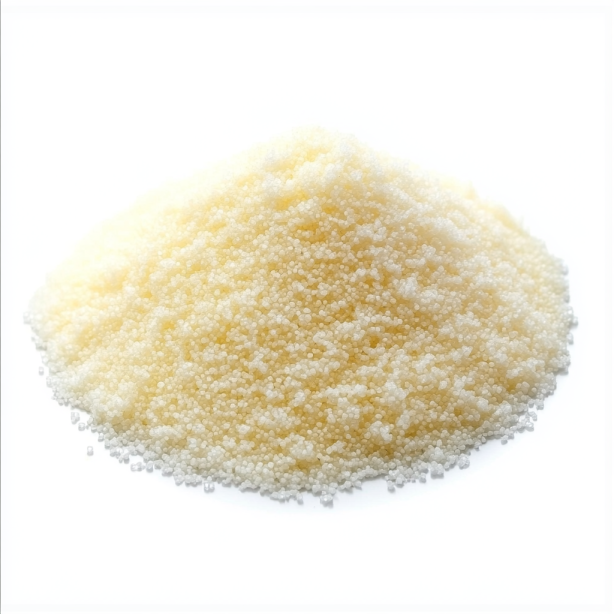
Physical form: Fine crystalline powder.
-
Color/appearance: White to off‑white crystalline solid.
-
Particle size: D90 ≤ 250 µm (standard); custom milling available to meet specific dispersion or dissolution targets.
-
Bulk density: 0.35–0.55 g/cm³ (typical tapped density available on request).
-
Solubility: Soluble in dilute acids and organic solvents; limited solubility in water—suitable for suspension/encapsulation processes.
-
Moisture content: ≤2.0% (KF).
-
Ash content: ≤0.5%.
-
Residual solvents/heavy metals: Compliant with international pharmacopeial limits; heavy metals (Pb, Cd, Hg, As) ≤ ppm specification per customer regulatory requirements.
-
Microbial limits: Total aerobic count and absence of specified pathogens (certificate of analysis on request).
-
Packaging options: 25 kg multi‑wall paper bags with PE liner; 500 kg FIBC (big bag); UN‑rated drums available for export; bespoke packaging for direct feed/food use available.
-
Shelf life: 24 months when stored in original sealed packaging, at controlled temperature (≤25°C) and low humidity; stability data available.
-
Storage conditions: Store in cool, dry, well‑ventilated area away from oxidizing agents; protect from light and humidity.
-
Core Industrial Applications
-
Nutraceuticals and dietary supplements: Used as the preferred organic selenium source in high‑value tablets, capsules, and liquid formulations for human health due to superior bioavailability and predictable potency.
-
Animal nutrition and feed premixes: Incorporated into premixes and micro‑encapsulated feeds to effectively raise selenium status in livestock and aquaculture with lower dosing and reduced environmental excretion versus inorganic forms.
-
Pharmaceutical intermediates and APIs: Employed as a selenium donor or building block in synthesis routes requiring an amino‑acid‑bound selenium moiety, enabling cleaner reaction profiles and easier downstream purification.
-
Specialty chemicals and research reagents: Supplied to contract manufacturers and research labs for production of selenium‑containing compounds, isotopic labeling, and analytical standards.
Why it performs better: -
Higher bioavailability: Organic Se incorporation into protein pools is more efficient than selenite/selenate, improving biological response per unit dose.
-
Lower toxicity risk: Reduced free inorganic selenium minimizes acute toxicity risk and narrow therapeutic window concerns in formulation and feed.
-
Formulation flexibility: Crystalline powder amenable to encapsulation, coating, and premix blending; customizable particle size improves dispersibility and homogeneity.
Commercial relevance: -
Delivers dosing efficiency that reduces cost per effective dose.
-
Simplifies regulatory compliance for end products because of cleaner impurity profiles.
-
Competitive Advantages
-
Quality consistency: Manufactured under controlled processes with batch‑to‑batch analytical traceability and full Certificates of Analysis (CoA).
-
Supply reliability: Long‑term sourcing contracts and safety stock capacity to support continuous supply for high‑volume customers; scalable production for rapid volume increases.
-
Logistics capability: Export ready packaging, export documentation support (COA, MSDS, origin), and experienced freight coordination for sea/air shipments to major markets.
-
Price competitiveness: Optimized production and bulk handling lower landed cost for large procurement contracts; pricing tiers for volume commitments.
-
Sustainability: Process controls minimize selenium waste and emissions; options for responsibly sourced raw materials and reduction of inorganic selenium discharge in downstream applications.
-
Technical support: Dedicated technical service including formulation guidance, stability data, regulatory dossiers support, and on‑demand analytical testing for incoming QA.
Positioning: A strategic sourcing choice that balances premium product performance with industrial procurement pragmatism—minimizing regulatory, formulation, and supply risks.
-
Commercial & Supply Information
-
Minimum order quantity (MOQ): BULK 20 MT.
-
Loading capacity (MT per container): Standard 20 ft container: up to 20–22 MT (in 25 kg bags with palletization); 40 ft container: up to 24–26 MT (FIBC/bulk optimized loading may vary by packaging and pallet configuration).
-
Lead times: Typical production lead time 6–8 weeks for bulk orders; expedited options available subject to capacity.
-
Incoterms and payment: FOB, CIF, EXW options negotiable; payment terms and long‑term contract structures available for qualified buyers.
-
Documentation: Full CoA, MSDS, packing list, commercial invoice, certificate of origin; regulatory support documents supplied on request.

Reviews
There are no reviews yet.