
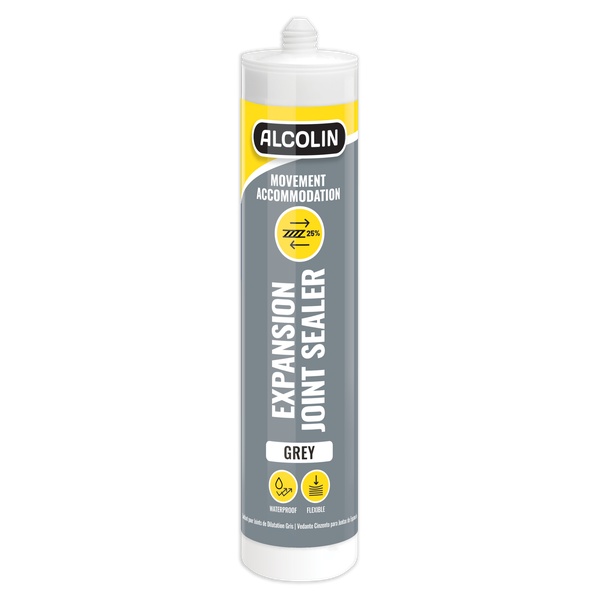
Description
1. Product Overview
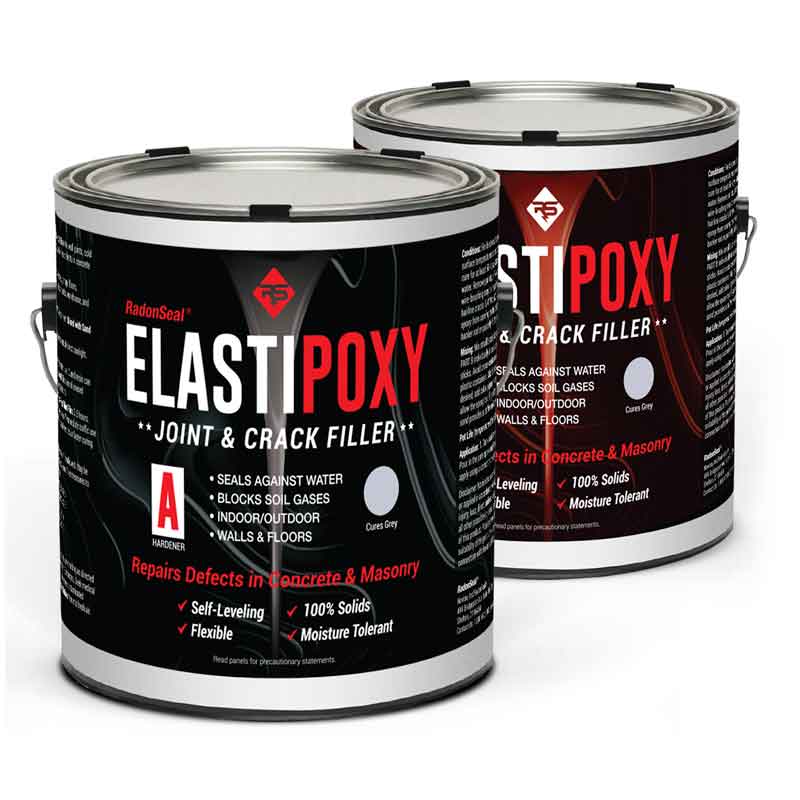
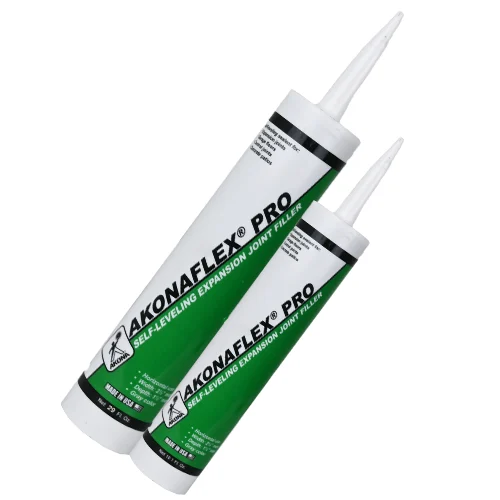
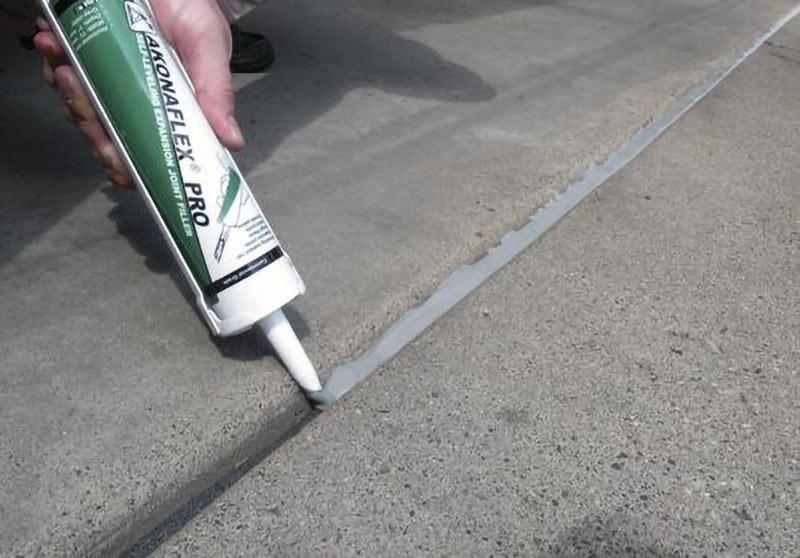
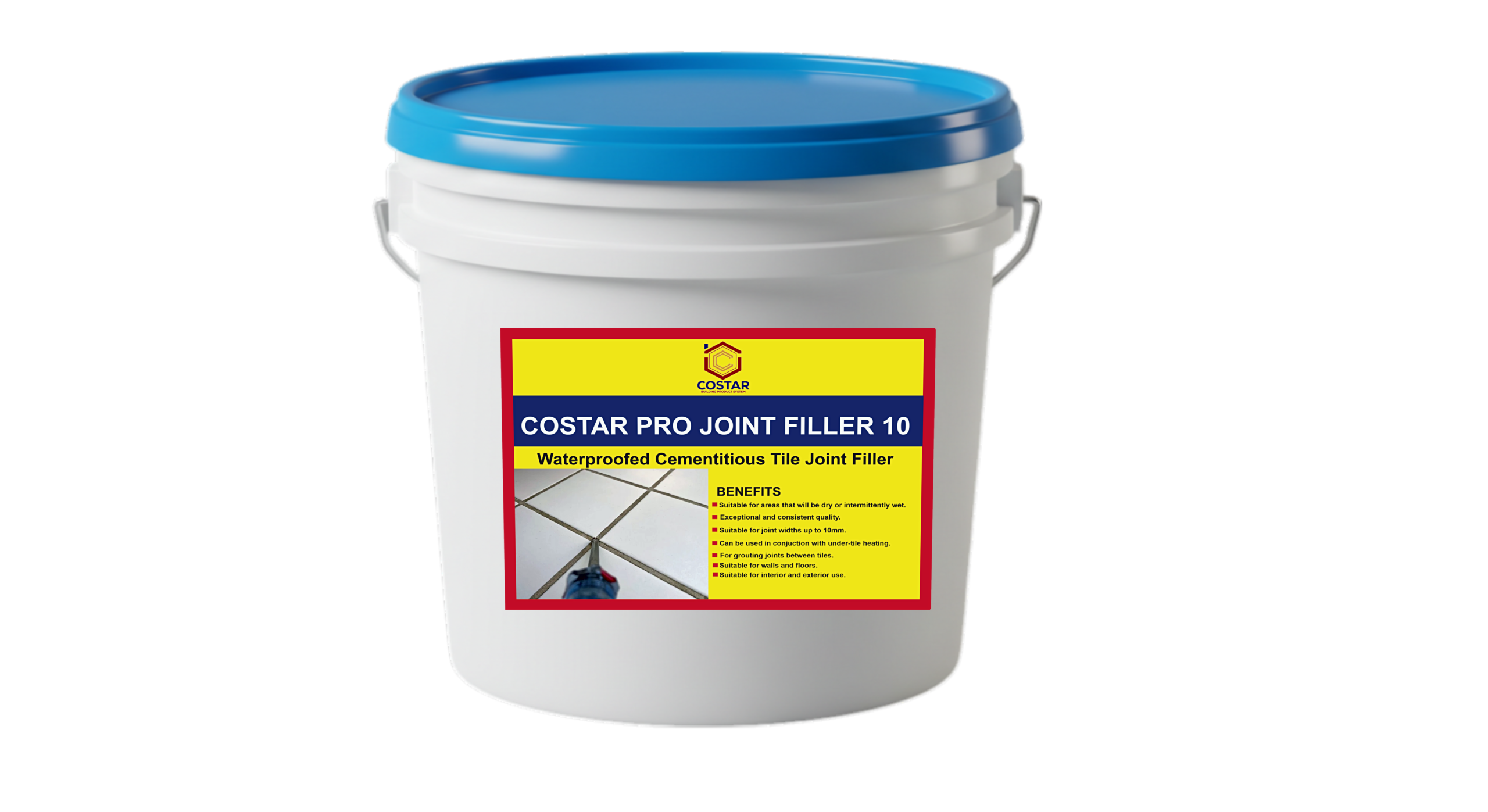
Joint Fillers are high-performance, thermoset polymer-based or pre-compressed polyurethane foam strips engineered for sealing expansion, contraction, and construction joints in heavy-load civil infrastructure. Primarily used in highways, airport runways, bridges, and industrial flooring, these fillers provide elastic recovery and load transfer while preventing incompressible debris intrusion—a critical failure point in rigid pavements. With rising global investment in infrastructure resilience and reduced maintenance cycles, our Joint Fillers offer a strategic balance of compressive strength and long-term durability, lowering total cost of ownership by up to 40% compared to field-fabricated alternatives.
2. Key Specifications & Technical Characteristics
-
Chemical Composition / Material Options:
-
Option A: Pre-compressed polyurethane foam (hydrophobic, open-cell, resin-coated)
-
Option B: Bitumen-impregnated fiberboard (ASTM D1751 compliant)
-
Option C: Elastomeric silicone or polysulfide sealant backer rod (closed-cell)
-
-
Purity / Grade:
Industrial Grade (ISO 9001:2021 certified); Stress-relief grade for dynamic load cycles ≥2 million repetitions -
Physical Characteristics:
-
Form: Strips, sheets, or ropes
-
Color: Black / dark gray
-
Particle size: N/A (continuous profile)
-
Density: 120–380 kg/m³ depending on type
-
Compressive strength (10% deformation): 0.2–3.5 MPa
-
Elastic recovery: ≥90% (ASTM D3574)
-
-
Packaging Options:
50m coils, 2.4m rigid lengths, or palletized cut-to-size packs (20–50 units per pallet) -
Shelf Life:
24 months in original, dry packaging (avoid UV exposure >30 days)
3. Core Industrial Applications
-
Primary Industries:
Heavy civil engineering, airport infrastructure, port terminals, precast concrete manufacturing, and industrial warehouse flooring -
Specific Use Cases:
-
Runway / taxiway joint sealing (prevents jet fuel and water intrusion)
-
Bridge expansion gap filling (maintains load transfer under variable thermal movement)
-
Heavy forklift traffic aisles (reduces edge spalling in saw-cut joints)
-
-
Performance vs. Alternatives:
Outperforms poured-in-place sealants in installation speed (70% faster) and field-mixed mortars in freeze-thaw resistance. Pre-compressed design eliminates curing time, allowing immediate load return. Cost advantage: Lower labor and downtime costs offset higher material price vs. basic fiberboard—ROI realized within first maintenance cycle (typically 12–18 months).
4. Competitive Advantages
-
Quality Consistency: Lot-to-lot compression tolerance ±5%; random batch tensile testing per AASHTO M213
-
Supply Reliability: Dual-continent warehousing (Asia & Europe) with 98.5% on-time dispatch record
-
Logistics Capability: Break-bulk and containerized LCL/FCL for urgent project deliveries
-
Price Competitiveness: Tiered pricing $800–2,000/MT based on volume, polymer grade, and certification requirements
-
Sustainability: Recyclable polyurethane variants available; bitumen-free options for low-emission zones
-
Technical Support: Full CAD detail library, installation video training, and on-site joint sizing audits (free for MOQ ≥20MT)
5. Commercial & Supply Information
-
Minimum Order Quantity (MOQ):
BULK: 20 metric tons (mix-and-match types allowed) -
Loading Capacity per 20FT Container:
Approx. 22–24 MT depending on density and strip profile (standard palletized configuration)

Reviews
There are no reviews yet.