
Description
1. Product Overview
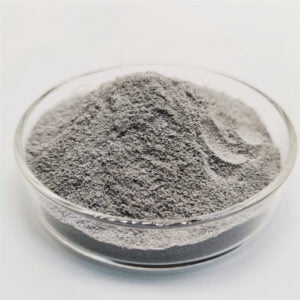
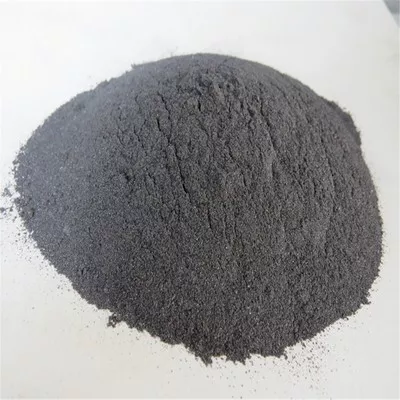
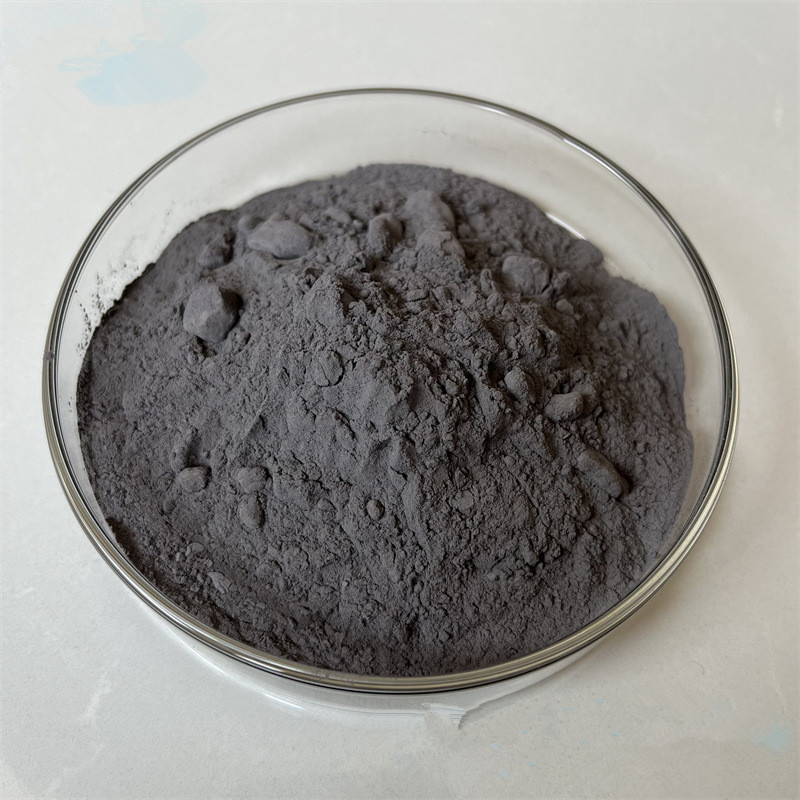
Iron Alloy Powders are high-purity, atomized metallic powders formulated for powder metallurgy, electromagnetic components, and laser-based additive manufacturing. Their primary industrial use lies in producing soft magnetic composites, sintered structural parts, and friction materials. The key value proposition is exceptional flowability, uniform particle size distribution, and controlled oxidation levels. Strategically, these powders enable manufacturers to reduce post-processing costs by 15–20% while meeting tightening emissions and efficiency regulations.
2. Key Specifications & Technical Characteristics
-
Chemical composition: Fe (balance) + Si (0.5–4.5%), Ni (up to 50%), P, or Mo depending on grade; oxygen content ≤ 800 ppm
-
Purity level: ≥ 98.5% (standard grade); ≥ 99.5% (high-purity grade)
-
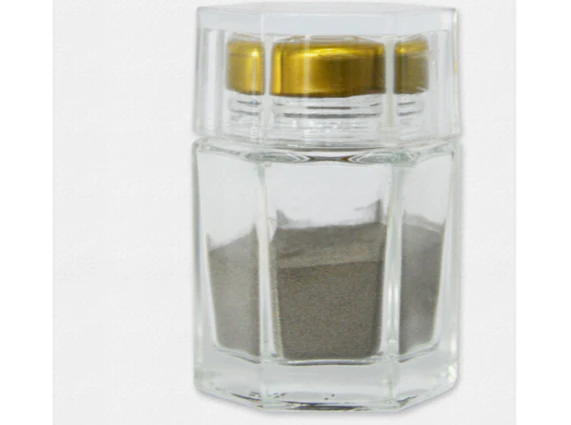
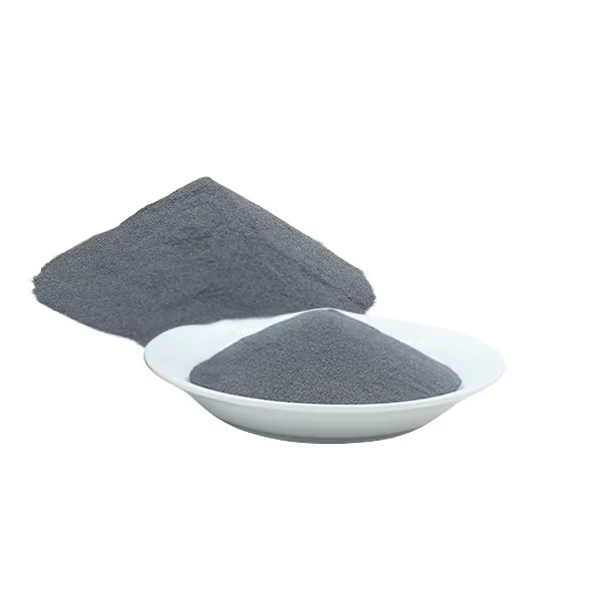
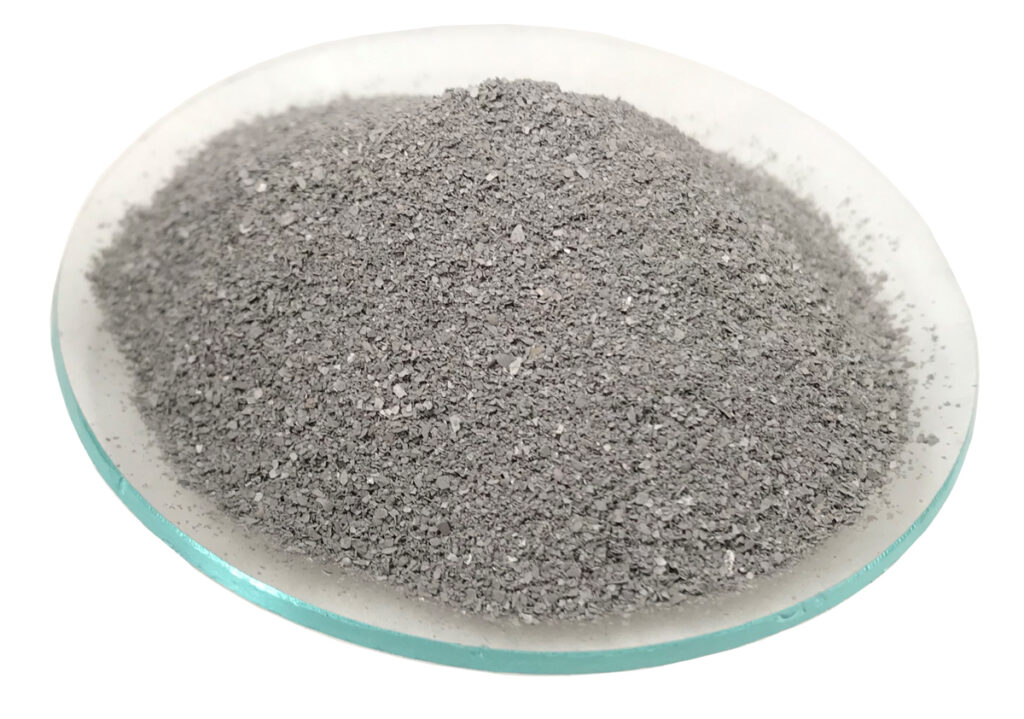
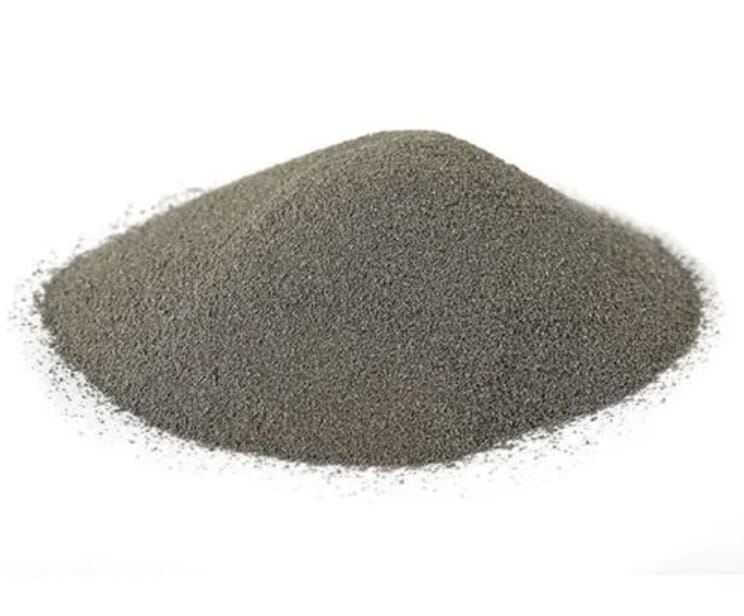
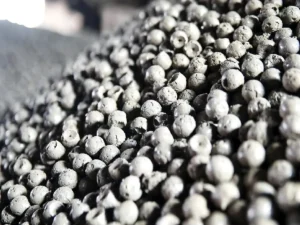
Physical characteristics: Spherical or irregular morphology; gray appearance; D50 = 15–150 µm (customizable); apparent density 2.5–3.8 g/cm³; flow rate ≤ 25 s/50g (Hall flowmeter)
-
Packaging options: 25 kg multi-wall paper bags with PE liner; 500 kg FIBC bulk bags; steel drums for high-purity grades
-
Shelf life: 12 months in unopened, dry conditions (< 40% RH, 5–35°C)
3. Core Industrial Applications
-
Automotive & EV: Powder metal gears, ABS sensor rings, and soft magnetic motor cores – outperform cast iron in magnetic permeability and reduce eddy current losses.
-
Additive manufacturing (LPBF): Spherical Fe-Si or Fe-Ni powders for functional prototypes and tooling – achieve >99.5% density after sintering vs. 97% with gas-atomized alternatives.
-
Metallurgy & welding: Hardfacing alloys and sintered brake pads – provide higher wear resistance (ASTM G65 ≤ 0.15 g loss) than conventional iron powder.
-
Electromagnetic shielding: High-permeability Fe-Ni alloys (e.g., 50% Ni) for EMI/RFI suppression in data centers – 30% better attenuation than ferrite sheets.
4. Competitive Advantages
-
Quality consistency: Statistical process control (CpK ≥ 1.33) on every lot; certified ISO 9001:2024 and IATF 16949.
-
Supply reliability: Three geographically redundant production lines (Asia, Europe, Americas) ensuring < 10 days lead time for 20 MT bulk orders.
-
Logistics capability: Direct container loading + port-to-door tracking; hazardous material certified (UN 3077 Class 9).
-
Price competitiveness: 8–12% lower landed cost vs. European and Japanese rivals due to vertically sourced scrap metal feedstocks.
-
Sustainability: 40% recycled content; Scope 3 emissions data available per TfS initiative.
-
Technical support: Full material characterization (XRD, SEM, PSA, PSD) sent with each batch; metallurgical consulting included.
5. Commercial & Supply Information
-
Minimum order quantity (MOQ): BULK 20MT per grade per shipment
-
Loading capacity: 20 MT per standard 20-ft dry container (palletized FIBC or drums)
Reviews
There are no reviews yet.