
Description
- Product Overview
Industrial Sodium Citrate Residue is a process-derived by-product generated from large-scale citrate production and related biochemical processing operations. It is primarily utilized in industrial chemical recovery streams, fermentation adjunct processing, and secondary raw material extraction systems where citrate-bearing residues can be valorized. The key value proposition lies in its cost-efficient feedstock potential, enabling downstream operators to optimize raw material recovery and reduce overall production input costs. Beta-glucosidase Why it is strategically important in the market The material holds increasing strategic importance as industries shift toward circular economy integration and waste-to-value chemical recovery models. - Key Specifications & Technical Characteristics
- Chemical composition: Sodium citrate derivatives with trace organic and inorganic residues
- Purity level/grade: Industrial grade residue stream (variable composition depending on feedstock source)
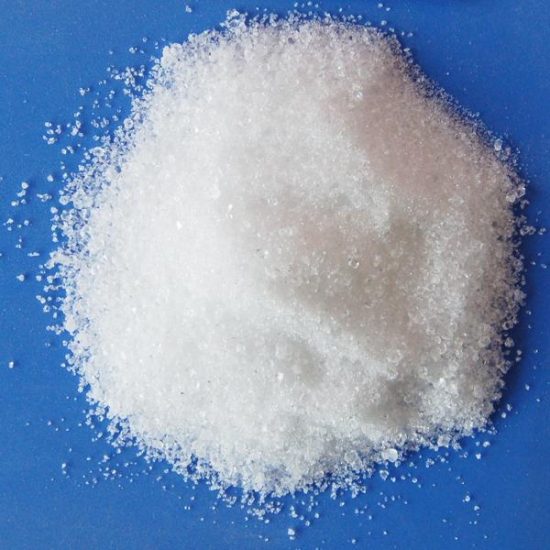
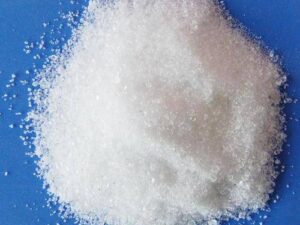
- Physical characteristics: Powdered to semi-crystalline or slurry form; light yellow to brownish appearance
- Particle size: Variable (typically 50–500 microns if dried form)
- Density: ~1.2–1.6 g/cm³ (process-dependent)
- Packaging options: 25 kg bags, 500 kg jumbo bags, or bulk tanker/slurry containers
- Shelf life: 6–12 months under dry, controlled storage conditions
- Core Industrial Applications
- Used in chemical recovery and recycling systems within citrate and fermentation industries
- Applied in auxiliary processing for organic acid regeneration and downstream purification workflows
- Integrated into industrial biotechnology operations as a secondary carbon source or processing residue input
- Provides cost advantages by reducing dependence on virgin citrate raw materials
- Enhances operational efficiency in waste valorization systems compared to disposal or landfill alternatives
- Competitive Advantages
- Quality consistency: Controlled sourcing from standardized industrial production streams
- Supply reliability: Continuous availability from high-volume processing facilities
- Logistics capability: Scalable bulk handling and export-ready packaging solutions
- Price competitiveness: Significantly lower cost compared to refined citrate inputs
- Sustainability benefits: Supports circular economy and industrial waste reutilization
- Technical support: Full documentation available for composition, handling, and transport compliance
- Commercial & Supply Information
- Minimum Order Quantity (MOQ): BULK 20 MT
- Loading capacity: 20–22 MT per 20-foot container (depending on packaging type and density)
Reviews
There are no reviews yet.