
Description
1. Product Overview
Industrial Ethanol Residue (Bio-grade) is a secondary bio-processing byproduct derived from controlled ethanol production streams, refined for industrial reuse applications. It is primarily utilized in bio-chemical processing, fermentation feedstock optimization, energy recovery systems, and specialty chemical manufacturing. The product delivers strong value as a cost-efficient circular raw material, enabling industries to reduce waste streams while improving input economics and process sustainability. In advanced biochemical contexts, its compatibility with enzymatic systems such as Beta-glucosidase enhances its relevance in fermentation-driven and bio-conversion applications. Strategically, it plays a growing role in circular bio-economy supply chains, where waste valorization and feedstock efficiency are becoming critical competitive factors.
2. Key Specifications & Technical Characteristics
- Chemical Composition: Ethanol-derived organic residues with trace fermentation byproducts (organic acids, residual sugars, biomass fragments)
- Purity Level / Grade: Bio-grade industrial standard (non-pharmaceutical, non-potable)
- Physical Characteristics:
- Form: Liquid / semi-liquid slurry
- Color: Light amber to brown
- Density: Approx. 0.85–1.05 g/cm³ (process-dependent)
- Packaging Options:
- ISO tanks
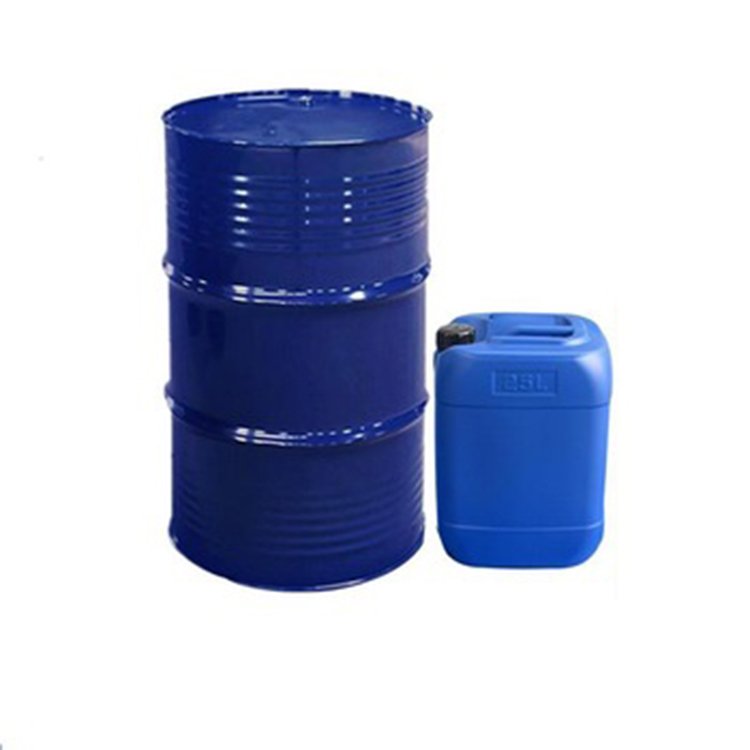
- 200L HDPE drums
- Bulk flexi-tanks
- Shelf Life: 6–12 months under controlled storage (cool, sealed, non-reactive environment)
3. Core Industrial Applications
- Biofuel & Energy Recovery: Used as a supplementary feedstock in bioenergy and waste-to-energy systems
- Chemical Processing: Acts as a low-cost organic input in solvent recovery and downstream synthesis processes
- Fermentation Industries: Supports microbial and enzymatic processes as a nutrient-rich residual medium
- Agricultural Bioprocessing: Used in bio-fertilizer and compost acceleration systems
- Operational Advantage: Compared to virgin feedstocks, it significantly reduces raw material costs while maintaining functional organic activity suitable for secondary processing cycles
4. Competitive Advantages
- Quality Consistency: Standardized sourcing from controlled ethanol production lines
- Supply Reliability: Stable industrial-scale output with continuous availability
- Logistics Capability: Compatible with bulk liquid transport infrastructure (ISO tanks, flexi-tanks)
- Price Competitiveness: Substantially lower cost versus virgin bio-feedstocks
- Sustainability Benefits: Supports circular economy models by reducing industrial waste disposal
- Technical Support: Available COA (Certificate of Analysis), SDS documentation, and process integration guidance for industrial buyers
5. Commercial & Supply Information
- Minimum Order Quantity (MOQ): BULK 20 MT
- Loading Capacity: Up to 20–25 MT per 20ft ISO tank container (depending on density and packaging configuration)
Reviews
There are no reviews yet.