
Description
1. Product Overview
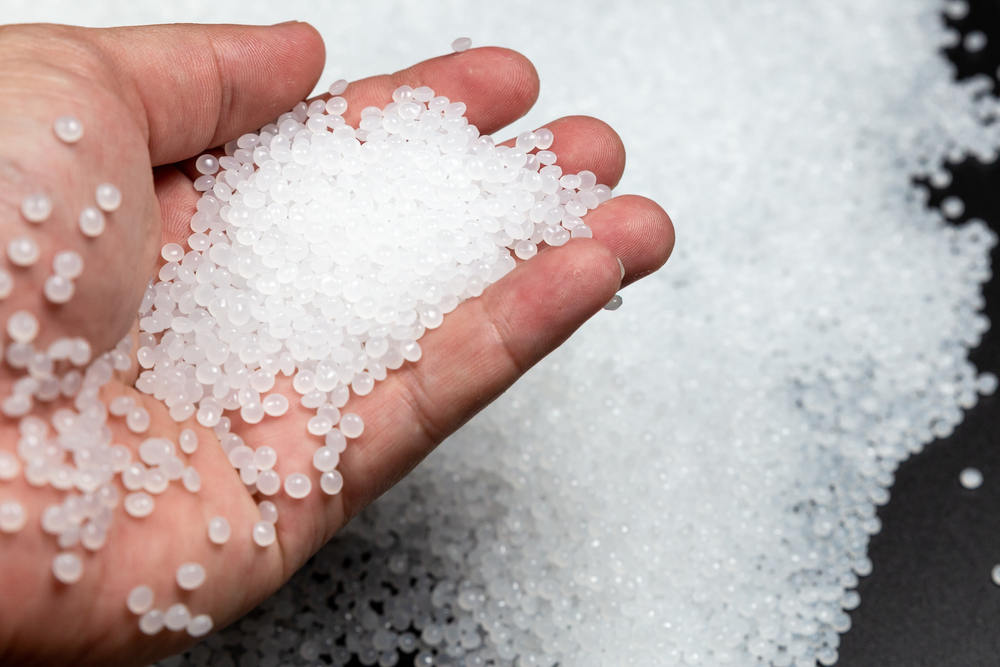
Industrial Polyethylene Terephthalate (PET) Residue is a post-industrial recycled material derived from PET production and processing streams. It is primarily used as a secondary raw material in recycling, reprocessing, and manufacturing applications such as fiber production, packaging intermediates, and polymer compounding. This material offers a cost-efficient and scalable feedstock for industries seeking to reduce virgin polymer dependency while maintaining production continuity.
Its key value proposition lies in its ability to deliver consistent polymer recovery potential with strong industrial adaptability across mechanical and chemical recycling systems. Strategically, PET residue plays a critical role in the global circular economy by enabling large-scale material recovery, reducing environmental burden, and supporting sustainable manufacturing supply chains.
2. Key Specifications & Technical Characteristics
- Material Composition: Post-industrial PET polymer residue (polyethylene terephthalate)
- Purity Level / Grade: Industrial grade (variable polymer purity depending on batch separation)
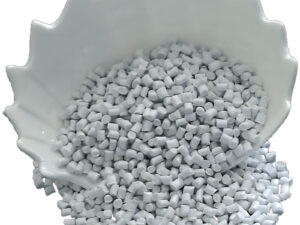
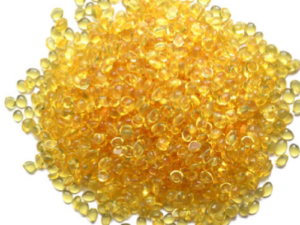
- Physical Form: Flakes / granules / irregular shredded material (depending on processing stage)
- Color: Transparent, light blue, or mixed tones (may vary by source stream)
- Density: ~1.33–1.40 g/cm³
- Moisture Content: Typically <1–2% (after drying)
- Contaminants: Trace labels, adhesives, or minor polymer blends (PP/PE in limited cases)
- Packaging Options:
- 500 kg jumbo bags
- 1,000 kg bulk bags
- Bale-pressed export packaging (optional)
- Storage Conditions: Dry, ventilated environment away from UV exposure
- Shelf Life: Indefinite under proper storage conditions
3. Core Industrial Applications
- Recycled Polyester Fiber Production: Used in textiles, geotextiles, and industrial fabrics
- Packaging Manufacturing: Reprocessing into PET sheets, straps, and containers
- Plastic Recompounding: Blending with virgin PET or additives for engineered polymers
- Chemical Recycling Feedstock: Depolymerization into PTA/DMT and EG intermediates
- Injection Molding Applications: Low-grade molded components and industrial parts
This material performs competitively due to its strong polymer recovery yield, compatibility with standard PET recycling lines, and reduced input cost versus virgin PET resin. It enables manufacturers to maintain production efficiency while improving sustainability metrics and reducing raw material volatility exposure.
4. Competitive Advantages
- Quality Consistency: Controlled sourcing from industrial PET waste streams ensures stable batch characteristics
- Supply Reliability: Scalable collection and aggregation from continuous production environments
- Logistics Capability: High-density compaction enables cost-efficient international shipping
- Price Competitiveness: Significantly lower cost compared to virgin PET resin
- Sustainability Benefits: Supports circular economy initiatives and reduces plastic waste footprint
- Technical Support: Full documentation available including material safety data and batch composition reports
5. Commercial & Supply Information
- Minimum Order Quantity (MOQ): BULK 20 MT
- Standard Supply Volume: 20–500 MT per shipment (scalable on contract basis)
- Loading Capacity:
- Approx. 20–22 MT per 20ft container (depending on compaction level)
- Approx. 26–28 MT per 40ft container (high-density packing option available)
Reviews
There are no reviews yet.