
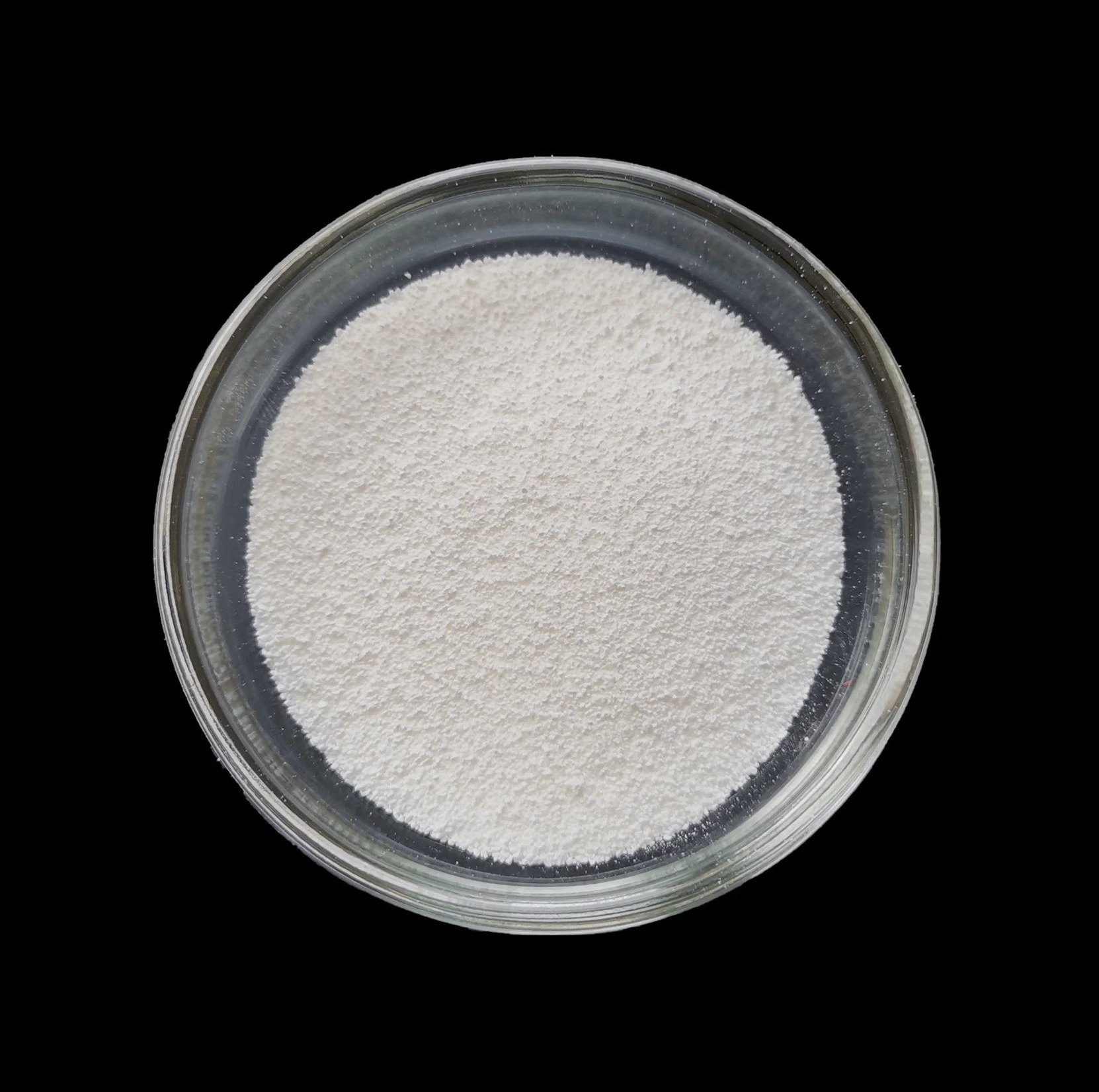
Description
- Product Overview
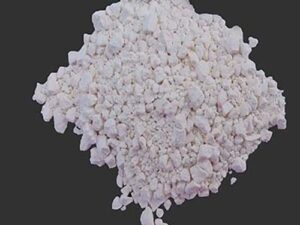
Industrial Styrene-Butadiene Rubber (SBR) Residue is a processed by-product derived from styrene-butadiene rubber production and compounding operations. It is primarily utilized in industrial recycling streams, alternative fuel blending, and secondary raw material recovery applications. The product delivers significant cost advantages by enabling circular material utilization and reducing virgin feedstock dependency. Strategically, it plays a critical role in supporting sustainable manufacturing ecosystems and resource efficiency initiatives across heavy industries. - Key Specifications & Technical Characteristics
- Chemical Composition: Styrene-butadiene rubber matrix with residual polymers, carbon black, plasticizers, and process oils
- Purity Level / Grade: Industrial-grade residue (variable composition depending on batch source)
- Physical Form: Semi-solid / viscous rubbery mass or shredded residue
- Color: Dark black to brown-black
- Density: Approx. 0.95 – 1.10 g/cm³
- Particle Size: Irregular, non-uniform fragments (post-processing dependent)
- Packaging Options: Bulk bags, steel drums, or containerized loose bulk loading
- Shelf Life: Up to 12 months under dry, cool, and sealed storage conditions
- Core Industrial Applications
- Cement & Kiln Fuel Substitution: Used as an alternative energy source in high-temperature industrial kilns
- Reclaim Rubber Processing: Feedstock for secondary rubber recovery and devulcanization processes
- Asphalt & Road Construction: Modifier for bitumen enhancement and flexibility improvement
- Industrial Energy Recovery: Supplementary fuel in thermal power and heavy manufacturing operations
- Waste-to-Value Systems: Integrated into circular economy and industrial waste minimization programs
This material is preferred for its cost efficiency, energy density, and adaptability compared to conventional virgin polymers and fossil fuels.
- Competitive Advantages
- Consistent Industrial Supply: Sourced from stable rubber processing streams ensuring continuous availability
- Cost Efficiency: Significantly lower cost compared to virgin rubber or conventional industrial fuels
- Sustainability Benefit: Supports waste valorization and reduces landfill burden
- Logistics Flexibility: Suitable for bulk shipping, containerized export, and regional distribution
- Technical Support: Basic composition documentation and handling guidance available for industrial buyers
- Operational Efficiency: High calorific value suitable for energy recovery applications
- Commercial & Supply Information
- Minimum Order Quantity (MOQ): BULK 20 MT
- Loading Capacity: 20–22 MT per 20-foot container (depending on packing configuration and compaction level)
Reviews
There are no reviews yet.