
Description
1. Product Overview
Industrial Citric Acid Residue is a concentrated by-product stream derived from citric acid manufacturing and downstream fermentation and crystallization processes. It is widely utilized in industrial chemical recovery, fermentation feedstock blending, and secondary biochemical processing applications. The material offers strong value as a cost-efficient raw input for facilities seeking to optimize circular resource utilization and reduce virgin chemical dependency. Its relevance is further enhanced by trace biochemical activity, including residual enzymatic components such as Beta-glucosidase, which may support certain downstream bioprocessing environments. Strategically, this product is increasingly important in circular economy supply chains and cost-optimized chemical sourcing markets.
2. Key Specifications & Technical Characteristics
- Chemical Composition: Residual organic acids (primarily citric acid derivatives), carbohydrate traces, mineral salts, moisture content
- Active Components: Low-level citric acid, residual fermentation metabolites, trace enzymatic activity (including Beta-glucosidase residues)
- Purity / Grade: Industrial grade by-product stream (non-food, non-pharma specification)
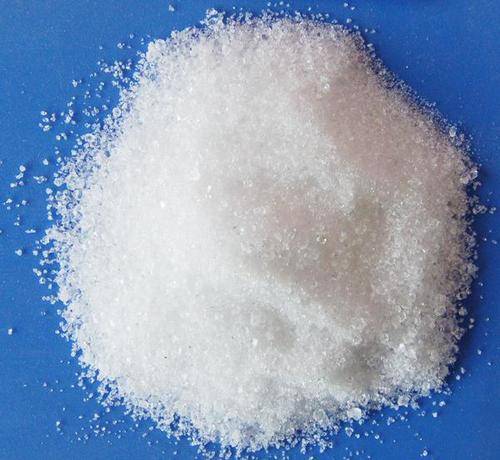
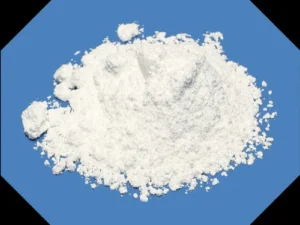
- Physical Form: Semi-liquid slurry or damp crystalline mass (depending on extraction stage)
- Color: Pale yellow to brownish liquid/solid mixture
- Particle Size: Variable; fine suspended solids in liquid matrix
- Density: Approx. 1.1–1.3 g/cm³ (variable by moisture content)
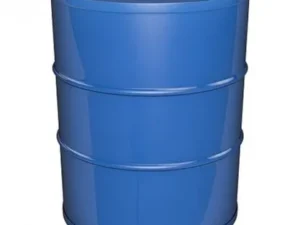
- Packaging Options: Bulk IBC tanks, 200L drums, or flexitank shipments
- Shelf Life: 3–6 months under sealed, temperature-controlled storage conditions
3. Core Industrial Applications
- Fermentation Industry: Used as secondary nutrient source or feedstock supplement in microbial fermentation systems
- Chemical Recovery: Suitable for extraction and reprocessing of residual organic acids and salts
- Agricultural Inputs: Can be processed into soil conditioners or bio-based fertilizer blends
- Industrial Cleaning Formulations: Used in low-grade acidification and descaling formulations after refinement
- Bioprocess Optimization: Supports cost reduction in industrial biotech operations by replacing higher-cost raw carbon sources
This product is favored in operations where cost efficiency, feedstock circularity, and large-volume processing outweigh the need for refined chemical purity. Compared to virgin citric acid inputs, it offers significantly lower cost per functional organic load.
4. Competitive Advantages
- Cost Efficiency: Substantially reduced cost compared to refined citric acid or synthetic organic acids
- Supply Reliability: Stable availability from continuous citric acid production streams
- Circular Economy Value: Supports waste-to-value industrial transformation models
- Logistics Flexibility: Available in bulk formats suitable for international shipping and industrial-scale handling
- Operational Versatility: Usable across multiple downstream industrial sectors with minimal preprocessing
- Technical Support: Provision of batch data sheets and compositional analysis upon request
- Sustainability Impact: Reduces industrial waste footprint and promotes resource recovery integration
5. Commercial & Supply Information
- Minimum Order Quantity (MOQ): Bulk 20 MT
- Standard Supply Format: Industrial bulk shipments (IBC/flexitank/containerized liquid or semi-solid form)
- Loading Capacity: Up to 20–24 MT per 20ft container (depending on moisture content and packaging configuration)
Reviews
There are no reviews yet.