
Description
-
Product Overview
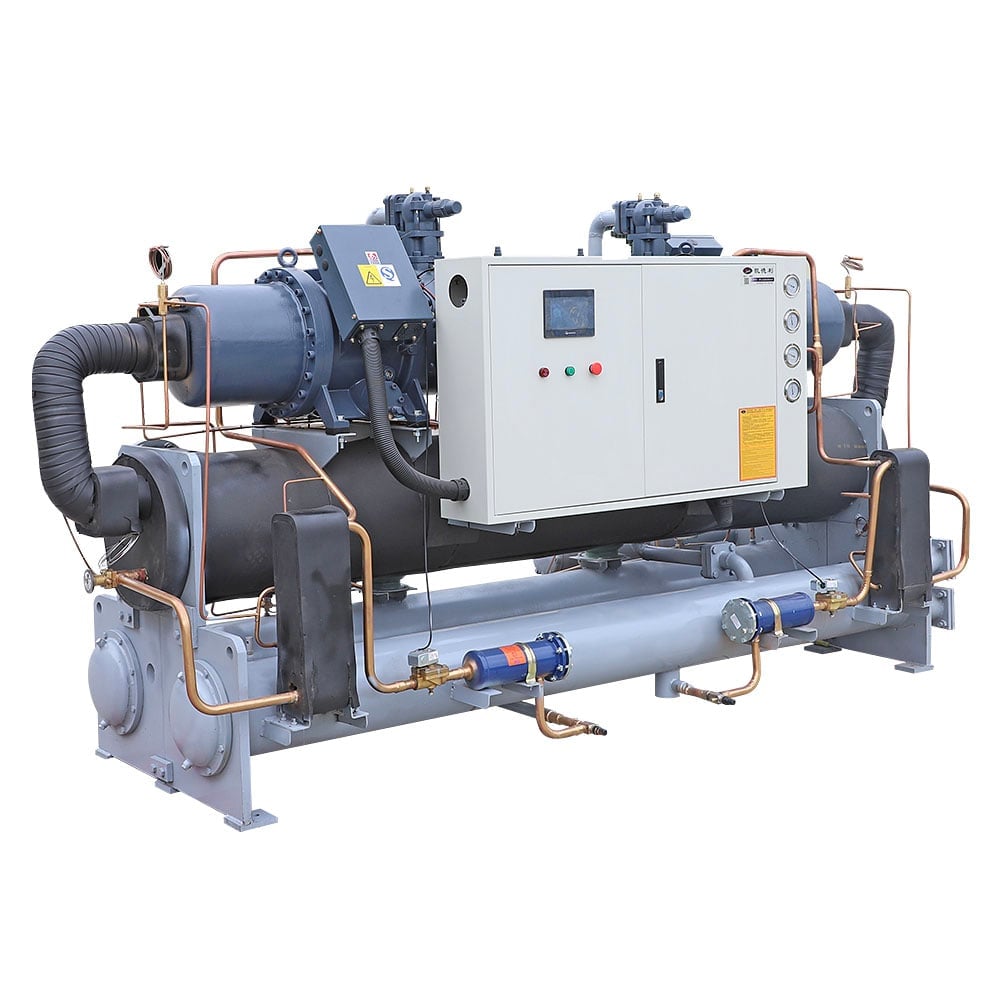
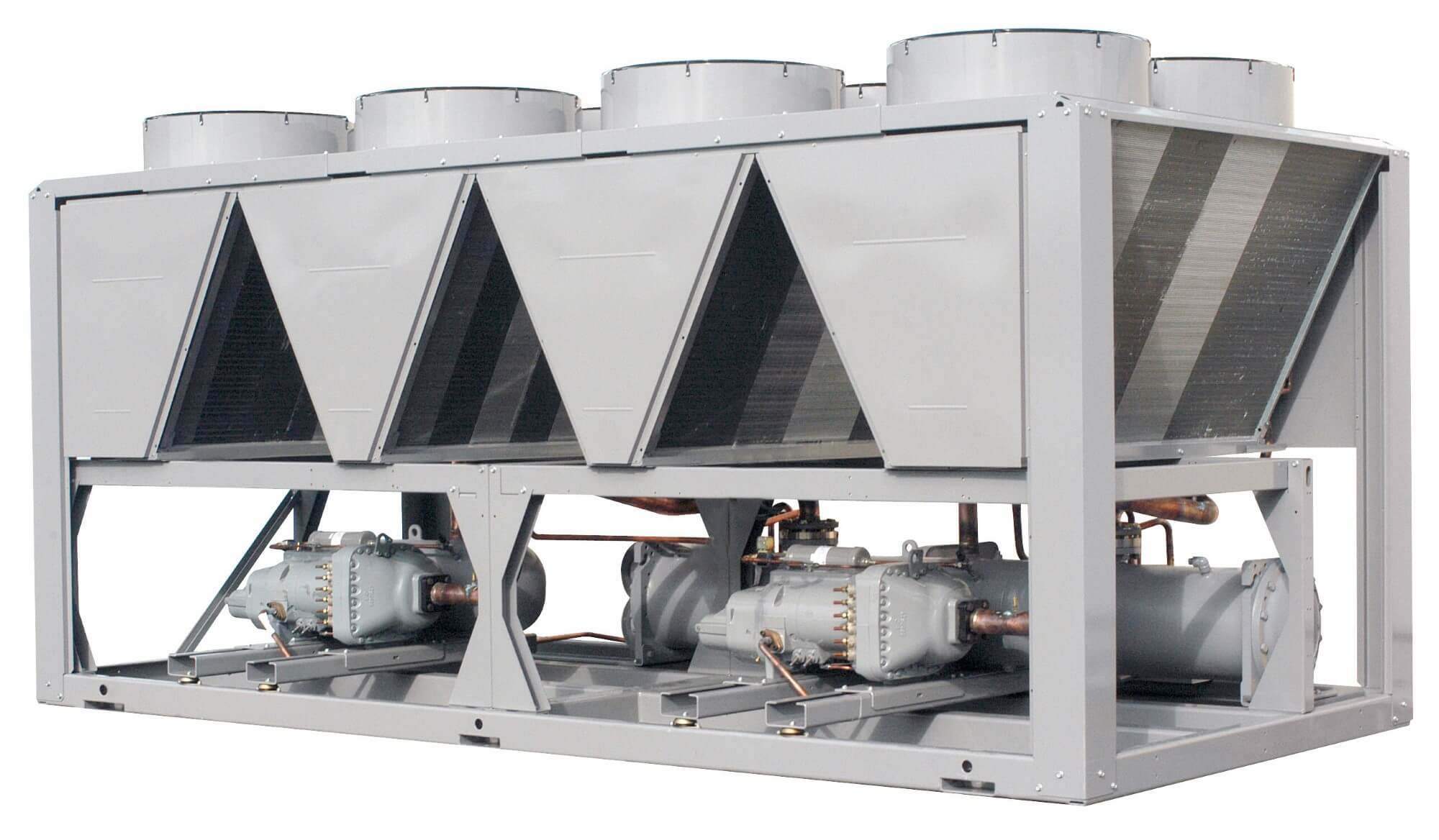
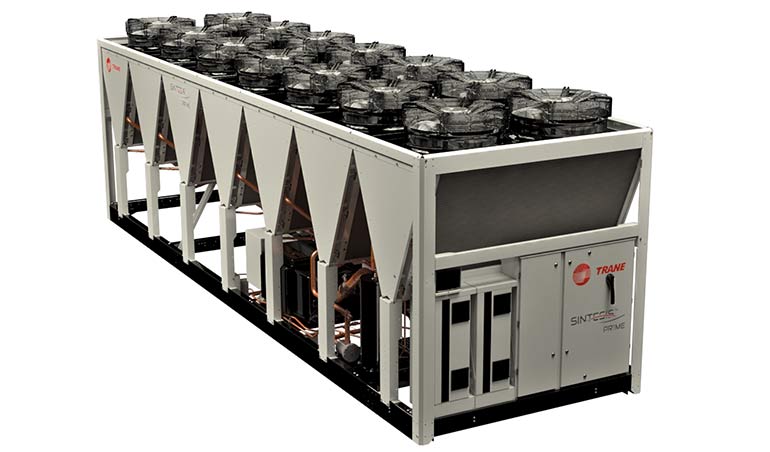
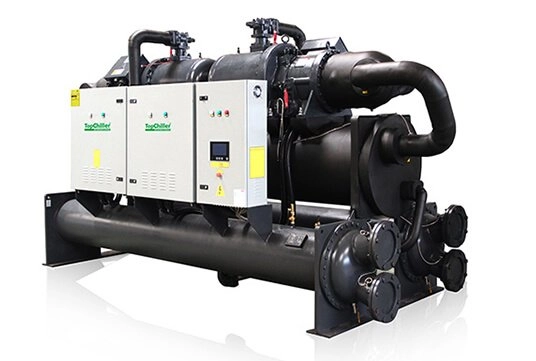
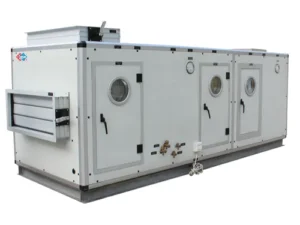
Industrial chiller system — a high-performance, industrial-grade refrigeration solution engineered to provide precise temperature control and continuous cooling for large-scale manufacturing and process operations. Primarily used to remove process heat from plastics, chemical reactors, metalworking, food & beverage processing, and HVAC central plants, the system delivers stable, low-temperature performance that protects equipment, improves product quality, and increases throughput. Key value proposition: reliable, energy-efficient cooling with modular scalability and advanced control for reduced operating cost and minimized downtime. Strategically important because temperature control is central to product yield, safety, and compliance across multiple heavy industries, making the chiller system a mission-critical capital purchase for buyers who require predictable performance and dependable service. -
Key Specifications & Technical Characteristics
-
Model family: modular skid-mounted units; options for air-cooled and water-cooled condensers.
-
Cooling capacity: 50 kW to 2,000 kW per module; scalable to multi-MW systems via parallel configuration.
-
Refrigerants: low-GWP HFO blends or R-134a/R-513A options; compliant with current F-gas regulations.
-
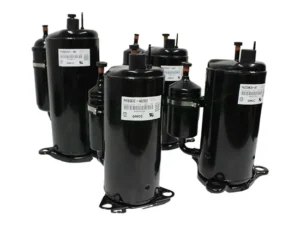
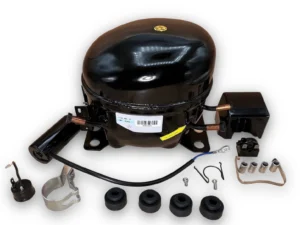
Compressor types: screw, scroll, or semi-hermetic reciprocating, selected by capacity and duty cycle.
-
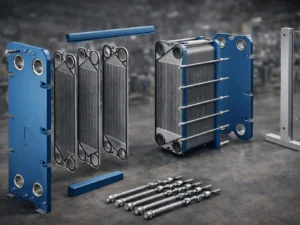
Heat exchanger: brazed plate or shell-and-tube options; materials: stainless steel 316L or copper-nickel for corrosion resistance.
-
Control system: PLC-based microprocessor with PID control, remote monitoring (Modbus/OPC/HTTP), alarms, and data logging.
-
Temperature stability: ±0.1°C to ±1.0°C depending on control spec.
-
Flow & pump options: integrated variable-speed pumps; flow rates sized to application with flange-compatible connections.
-
Power supply: 380–480 VAC, 3-phase, 50/60 Hz standard; optional custom voltages available.
-
Mechanical footprint: skid dimensions configurable; typical modular skid 2.5 m × 1.5 m × 2.0 m per 100 kW.
-
Noise levels: sound-attenuated enclosures available; typical 70–85 dB(A) at 1 m for air-cooled units.
-
Materials of construction: carbon steel or stainless steel frames, anti-corrosion coatings.
-
Safety & compliance: CE, UL, ASME (where applicable), pressure-relief valves, safety interlocks.
-
Packaging options: factory-sealed wooden crates, shrink-wrapped skid, or export-grade steel containers.
-
Documentation: full FAT/IQ-OQ, operation & maintenance manuals, spare parts lists, electrical & P&ID drawings.
-
Warranty & service: standard 12–24 months limited warranty; extended service contracts available.
-
Typical lead time: 8–14 weeks depending on configuration and volume.
-
Core Industrial Applications
-
Plastics & Injection Molding: precise cooling of molds and hydraulic systems to reduce cycle time and scrap; modular scalability supports multi-machine central chiller plants.
-
Chemical & Pharma Manufacturing: reactor temperature control, solvent condensation, and jacketed vessel cooling where stable, contaminant-free cooling is required to meet safety and regulatory standards.
-
Metalworking & Laser Cutting: closed-loop cooling for lasers, EDM, and machining centers to maintain beam stability and tooling accuracy, reducing waste and rework.
-
Food & Beverage Processing: CIP-compatible chilled water for process cooling and fermentation control with hygienic materials options for compliance.
-
HVAC & Data Centers: central plant chilling for large commercial buildings and server farms where energy efficiency and redundancy are critical.
Why it outperforms alternatives: -
Higher part-load efficiency and variable-speed controls lower operating costs versus fixed-speed chillers.
-
Modular design reduces single-point failure risk and permits staged scaling, lowering upfront CAPEX relative to oversizing.
-
Industrial-grade components and serviceable layouts extend MTBF and simplify maintenance, yielding lower lifecycle costs.
-
Competitive Advantages
-
Quality consistency: factory-tested modules with documented performance curves and FAT certification.
-
Supply reliability: committed production capacity and flexible sourcing to support repeat orders and project timelines.
-
Logistics capability: skid-mounted, export-ready packaging and experienced global shipping partnerships for on-time delivery to major ports.
-
Price competitiveness: modular procurement options let buyers match capacity to need, minimizing wasted capital; volume discounts for bulk orders.
-
Sustainability: low-GWP refrigerant choices, high-efficiency compressors, and heat-recovery options to capture reject heat and reduce net energy use.
-
Technical support: global technical documentation, commissioning support, spare-parts availability, and optional preventative maintenance contracts.
Positioning: a strategic sourcing choice for buyers prioritizing uptime, predictable TCO, and regulatory compliance.
-
Commercial & Supply Information
-
Minimum order quantity (MOQ): BULK 20 MT
-
Loading capacity (MT per container): typical loading configuration allows up to 20 MT per 20-foot container for compact modules; larger modules shipped in 40-foot HC or open-top containers as project freight—contact sales for unit-dimension-specific container loading plans.
Reviews
There are no reviews yet.