
Description
1. Product Overview
Industrial Acrylic Acid Residue is a by-product stream derived from acrylic acid production processes, typically containing a mixture of organic acids, esters, oligomers, and trace catalyst residues. It is widely utilized as a cost-effective secondary feedstock in chemical processing, fuel blending applications, and industrial recovery operations. The key value proposition lies in its ability to reduce raw material costs while supporting circular economy initiatives through waste valorization. Strategically, it is increasingly important in markets focused on resource efficiency, chemical recycling, and alternative carbon feedstocks.
2. Key Specifications & Technical Characteristics
- Chemical Composition: Mixture of acrylic acid derivatives, low-molecular-weight oligomers, esters, and trace impurities from polymerization processes
- Purity / Grade: Industrial grade residue stream (non-pharmaceutical, non-food grade)
- Physical Form: Viscous liquid or semi-liquid residue
- Color: Light yellow to dark amber, depending on batch and oxidation level
- Odor: Characteristic acrylate/acrid odor
- Density: Approx. 1.0 – 1.2 g/cm³ (varies by composition)
- Solubility: Partially soluble in water; fully miscible with many organic solvents
- Packaging Options:
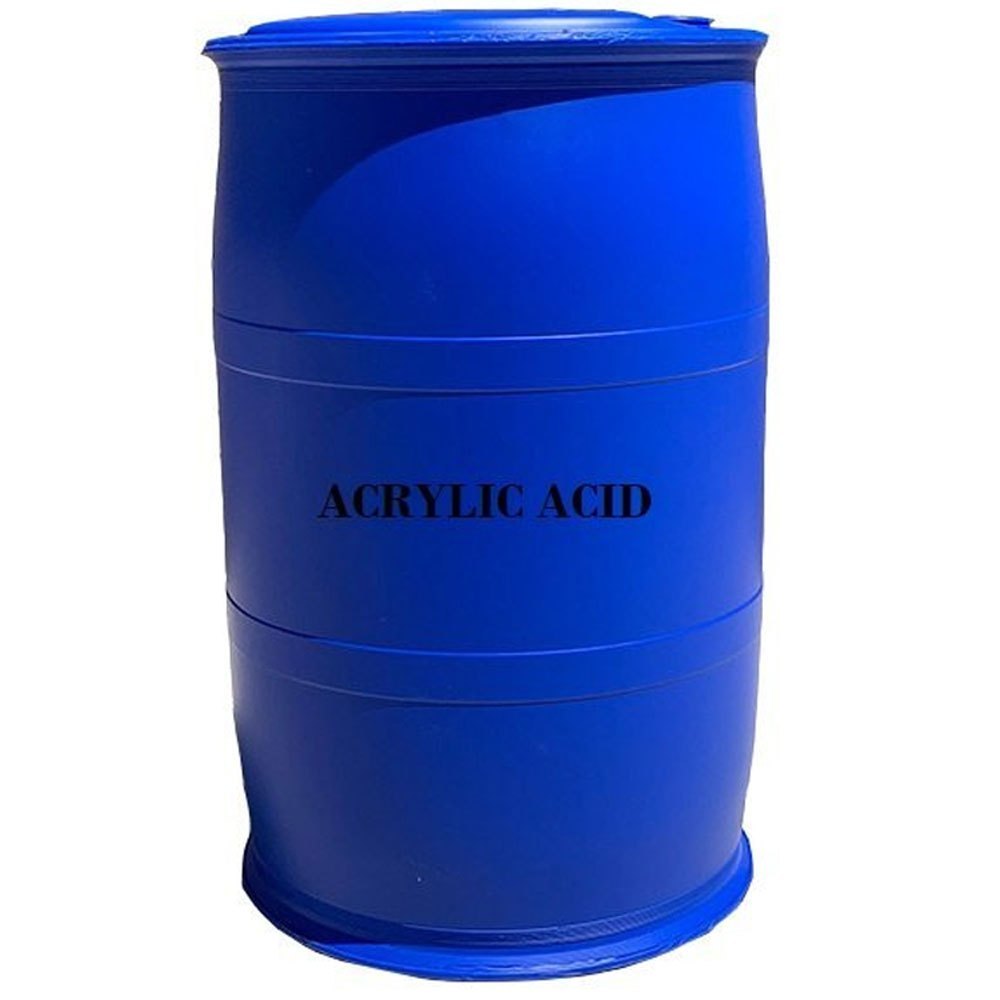
- Steel drums (200–250 kg)
- IBC tanks (1000 L)
- Bulk tanker shipments
- Shelf Life: 6–12 months under sealed, cool, and dry storage conditions
3. Core Industrial Applications
- Chemical Recovery & Reprocessing: Used as a secondary feedstock for extraction of usable acrylic derivatives and intermediates
- Fuel & Energy Blending: Incorporated into controlled industrial fuel blends where permissible
- Resin & Polymer Industries: Utilized in modified resin formulations and industrial adhesives after conditioning
- Waste-to-Value Processing: Serves as a low-cost input for facilities specializing in chemical recycling and valorization
- Operational Advantage: Offers significant cost reduction compared to virgin acrylic acid while enabling flexible integration into downstream industrial systems
4. Competitive Advantages
- Quality Consistency: Stable composition from controlled industrial sourcing streams
- Supply Reliability: Continuous availability from large-scale acrylic acid production by-products
- Logistics Capability: Flexible global shipping via drum, IBC, or bulk tanker formats
- Price Competitiveness: Substantially lower cost than virgin acrylic acid or refined intermediates
- Sustainability Benefits: Supports circular economy practices and industrial waste reduction initiatives
- Technical Support: Batch documentation, COA availability, and handling guidance for industrial buyers
5. Commercial & Supply Information
- Minimum Order Quantity (MOQ): Bulk 20 MT
- Supply Format: Industrial bulk supply (drums / IBC / tanker)
- Loading Capacity:
- 20 ft container: ~16–20 MT (IBC/drum dependent)
- Bulk tanker shipments: up to 25 MT per load
- Delivery Terms: FOB / CFR / CIF available depending on destination and agreement

Reviews
There are no reviews yet.