
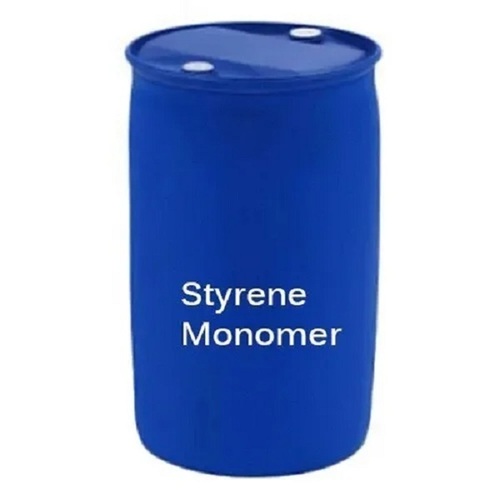
Description
1. Product Overview
Industrial Styrene Monomer Feedstock is a high-value petrochemical intermediate primarily used in the production of polystyrene, ABS resins, and styrene-butadiene rubber (SBR). It serves as a foundational building block in large-scale polymer manufacturing, enabling the creation of lightweight, durable, and cost-efficient plastic materials. The product delivers consistent reactivity and high process efficiency, making it a critical input for continuous industrial polymerization systems.
Strategically, styrene monomer remains essential to global packaging, automotive, construction, and electronics supply chains, where demand for high-performance polymers continues to expand. Its market importance is driven by its versatility, scalability, and role in enabling high-volume, cost-optimized manufacturing ecosystems.
2. Key Specifications & Technical Characteristics
- Chemical Composition: Styrene monomer (C₈H₈), aromatic hydrocarbon
- Purity Level / Grade: ≥ 99.7% industrial polymerization grade (typical specification range)
- Physical Form: Clear, colorless to slightly yellow liquid
- Odor: Aromatic, characteristic styrene odor
- Density: ~0.906 g/cm³ at 20°C
- Boiling Point: ~145°C
- Packaging Options:
- ISO tanks (bulk industrial transport)
- Steel drums (200–210 kg)
- Bulk road tankers / rail tankers
- Shelf Life: 3–6 months under controlled storage conditions (inhibited, cool, dark environment)
- Stabilization: Typically contains TBC (tert-butylcatechol) inhibitor for polymerization control
3. Core Industrial Applications
- Polystyrene Production: Used in packaging materials, insulation foams, and disposable consumer goods
- ABS Resins Manufacturing: Essential for automotive components, housings, and consumer electronics
- SBR (Styrene-Butadiene Rubber): Key input for tires, conveyor belts, and industrial rubber goods
- Unsaturated Polyester Resins: Used in construction materials, fiberglass, and marine applications
Industrial buyers value styrene monomer for its high polymer yield efficiency, predictable reaction behavior, and compatibility with continuous production systems, reducing downtime and improving throughput versus lower-grade aromatic feedstocks.
4. Competitive Advantages
- High Purity Consistency: Ensures stable polymerization performance and reduced batch variability
- Reliable Supply Chain: Scalable bulk availability for continuous industrial operations
- Optimized Logistics: Flexible bulk shipping options (ISO tank, vessel, rail) for global distribution efficiency
- Cost Competitiveness: Strong price-performance ratio for high-volume petrochemical conversion
- Process Efficiency: Low impurity profile minimizes catalyst poisoning and production losses
- Technical Documentation: Full COA, MSDS, and quality traceability available for industrial compliance
- Sustainability Considerations: Efficient feedstock utilization supports reduced waste in downstream polymer production
5. Commercial & Supply Information
- Minimum Order Quantity (MOQ): Bulk 20 MT
- Standard Shipment Scale: 20–25 MT per ISO container or tanker unit
- Loading Capacity: Up to 20–24 MT per container (depending on transport configuration and regional regulations)

Reviews
There are no reviews yet.