
Description
-
Product Overview
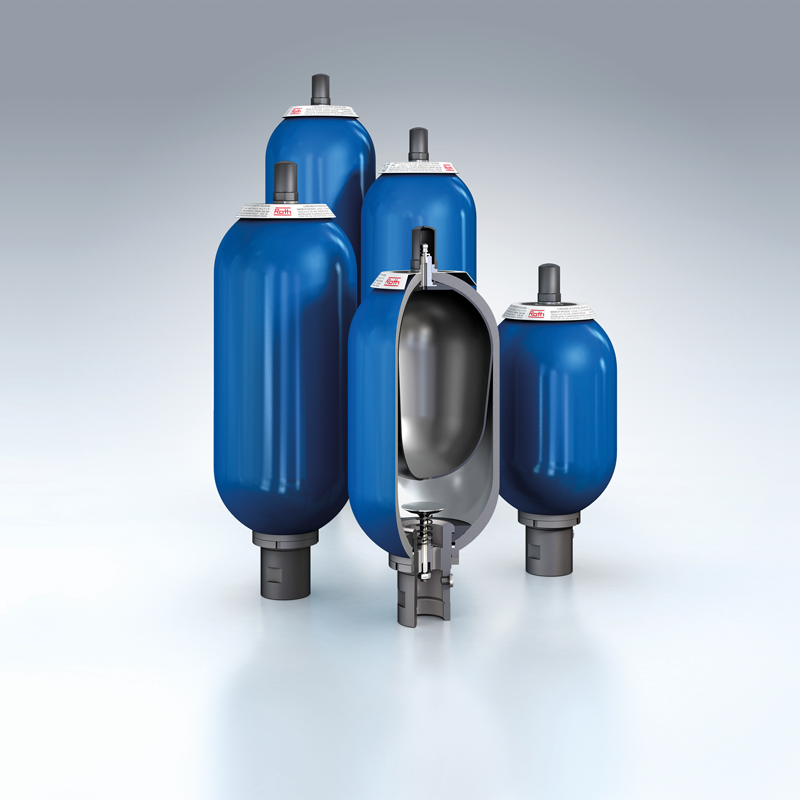
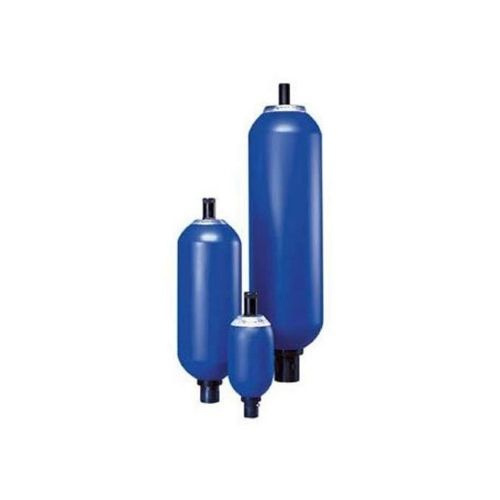
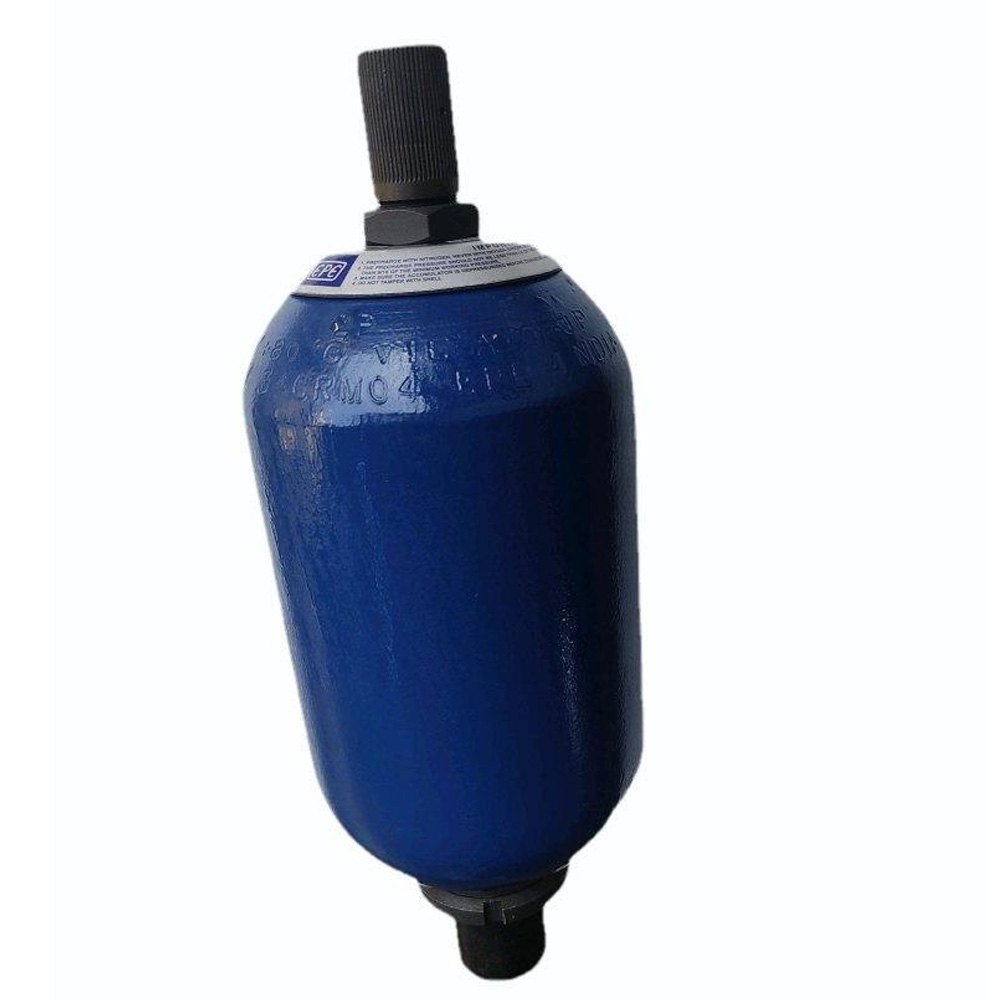
Hydraulic accumulator (bladder type) — a pressure-storage device that uses a flexible elastomeric bladder to separate hydraulic fluid from a pre-charged gas volume. It stores and releases hydraulic energy to smooth pressure fluctuations, provide emergency power, and absorb shocks in high-pressure hydraulic systems. Designed for heavy industrial applications, it delivers fast response, high cycle life, and predictable performance under demanding operating conditions. Strategically, bladder-type accumulators reduce system downtime, enable downsizing of prime movers, and improve energy efficiency — making them a high-impact component in modern hydraulic systems across energy, manufacturing, marine, and mobile equipment markets.
-
Key Specifications & Technical Characteristics
-
Design type: Bladder (replaceable elastomeric bladder contained within metal pressure vessel)
-
Materials: Pressure vessel carbon steel or stainless steel (options: ASTM A516 Gr.70 carbon steel, 304/316L stainless steel); bladder elastomers: NBR (nitrile), HNBR, FKM (Viton), EPDM (selectable by fluid compatibility)
-
Maximum working pressure: up to 420 bar (options commonly 16–420 bar depending on model)
-
Precharge gas: Nitrogen (factory or field precharge configurable)
-
Nominal volumes: 0.5 L to 3,000 L (modular range for single units; skid/packaging options for higher capacity)
-
Porting: Standard ISO/DIN flange and threaded ports (custom flange patterns available)
-
Surface treatment: Shot-blast and primer/epoxy coating; optional marine-grade paint or corrosion-resistant coatings for offshore use
-
Temperature range: -40 °C to +120 °C (dependent on bladder material selection)
-
Cycle life: >100,000 cycles typical for industrial elastomers under specified conditions (application dependent)
-
Compliance: Fabrication to ASME VIII Div.1 / PD 5500 or equivalent (certificate options available)
-
Testing: Hydrostatic test, nitrogen precharge verification, leak-test and dimensional inspection; optional non-destructive testing (UT/RT) on vessel
-
Documentation: Material test certificates (MTC), CE/UKCA declarations, WPS/PQR, and QA inspection reports available
-
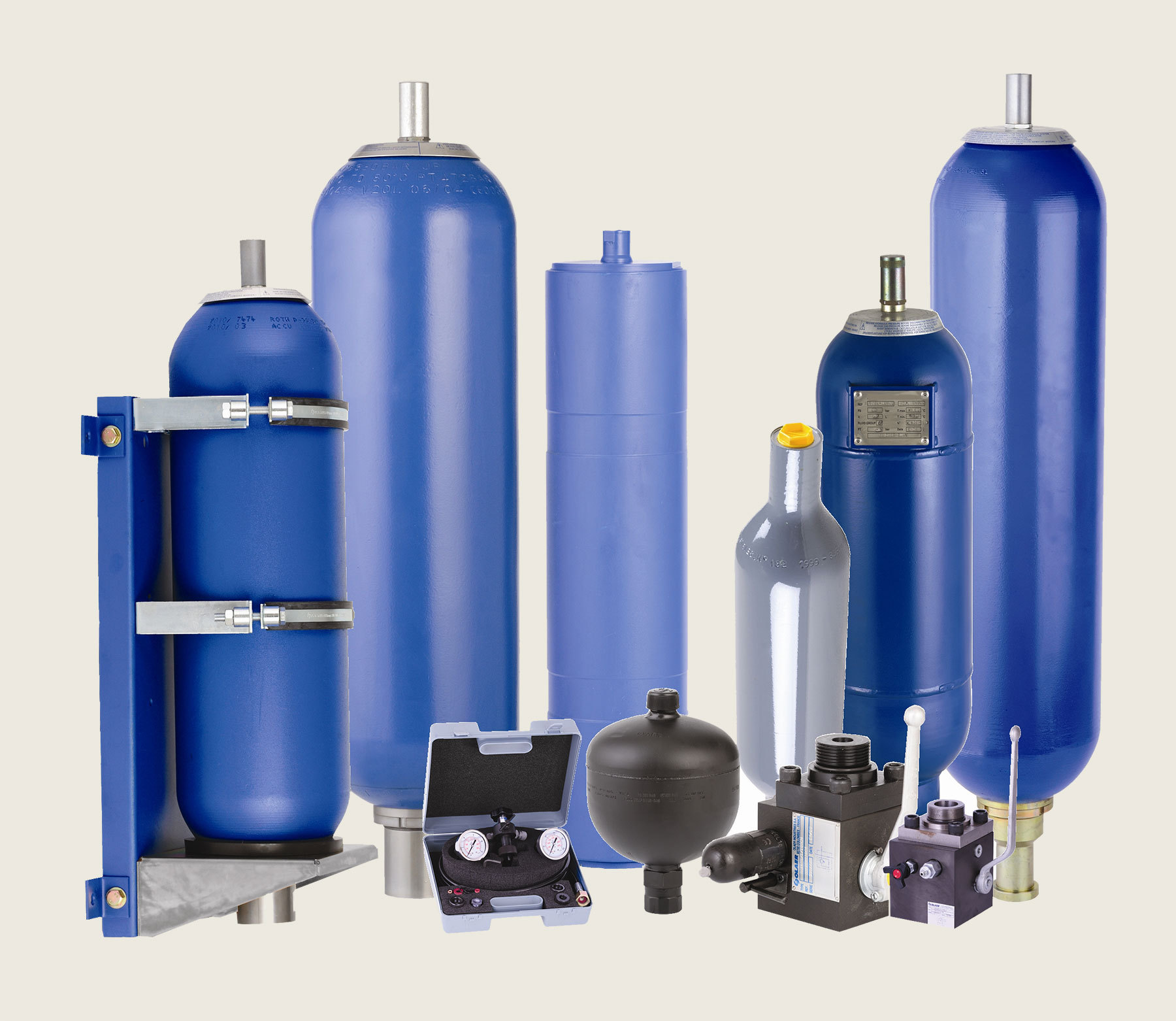
Packaging options: Individual crated units, wooden pallet crating, containerized skids, or loose for bulk container loading
-
Shelf life: Bladders recommended replacement interval or storage guidance provided; shelf-stable when stored dry at ambient temperatures with protective packaging
-
Spare parts: Replaceable bladder kits, seals, charging valves, and mounting hardware available
-
Core Industrial Applications
-
Primary industries: Oil & gas (upstream/downstream), power generation (hydro, gas turbines), heavy machinery and mobile hydraulics (excavators, cranes), marine and offshore systems (winches, ballast control), manufacturing presses and injection molding, renewable energy (wind/hydraulic pitch systems), and industrial automation.
-
Operational use cases:
-
Energy buffering and peak shaving: store hydraulic energy to deliver short bursts of high flow and pressure without oversizing pumps.
-
Shock absorption and pulsation dampening: protect piping, valves, and actuators from pressure spikes and water hammer.
-
Emergency backup and brake release: supply immediate hydraulic power during pump failure to enable controlled shutdown or safety functions.
-
Volume compensation: maintain system pressure and reduce pump cycling for thermal and efficiency benefits.
-
-
Why it outperforms alternatives:
-
Faster dynamic response and higher power density vs. piston or diaphragm accumulators for many applications.
-
Lower maintenance and simpler installation compared with complex hydraulic reservoirs or electric energy storage solutions.
-
Modular scalability for large capacity needs, and straightforward bladder replacement reduces lifecycle cost.
-
Better isolation of hydraulic fluid from gas vs. piston-type systems, reducing gas contamination and maintenance needs.
-
-
Competitive Advantages
-
Quality consistency: Fabricated to industry standards with traceable material certificates and batch-controlled bladder manufacturing for uniform performance.
-
Supply reliability: Production scale and inventory strategies to support bulk orders and repeat business; regional distribution options to shorten lead times.
-
Logistics capability: Designed for standard container loading and skidded shipments; packaging options protect components for long-distance export and harsh transit conditions.
-
Price competitiveness: Configurable models (standardized cores with optional upgrades) to balance capital cost and lifetime value; replacement bladder kits optimize operating expense.
-
Sustainability: Materials and coatings selected for extended service life; bladder replacement program reduces full-unit disposal; nitrogen precharge avoids environmental risks of other gases.
-
Technical support: Application engineering, sizing tools, and installation guidance from experienced hydraulics engineers; full documentation (MTCs, welding records, testing reports) and aftermarket support for spares and service contracts.
-
Strategic sourcing value: Selecting this accumulator reduces system CAPEX (smaller pumps/motors), lowers OPEX (fewer pump cycles, extended component life), and mitigates operational risk through reliable emergency energy reserve.
-
Commercial & Supply Information
-
Minimum order quantity (MOQ): BULK 20MT
-
Loading capacity (MT per container): Depends on unit size and packing configuration; typical examples:
-
20 ft container: up to 12–15 MT usable payload (unit count depends on unit volume and crate dimensions)
-
40 ft container: up to 24–26 MT usable payload (preferred for larger shipments)
-
-
Order fulfillment: Lead times and exact container loading plan provided on request based on selected model, precharge configuration, and regional shipping constraints.
-
Available services: FOB, CIF, EXW pricing options; optional factory acceptance testing (FAT), third‑party inspection, and project logistics coordination.
Reviews
There are no reviews yet.