
Description
1. Product Overview
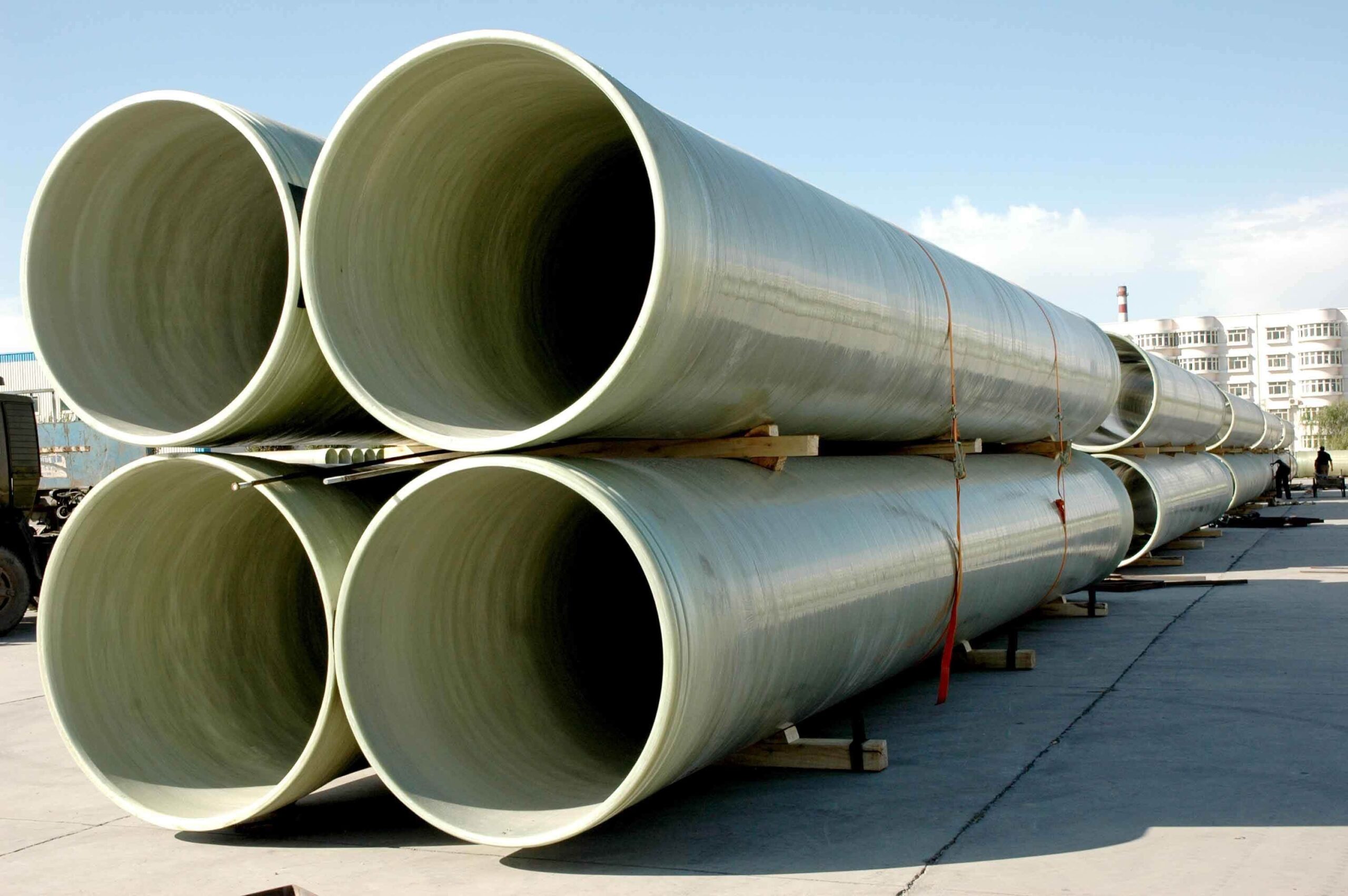
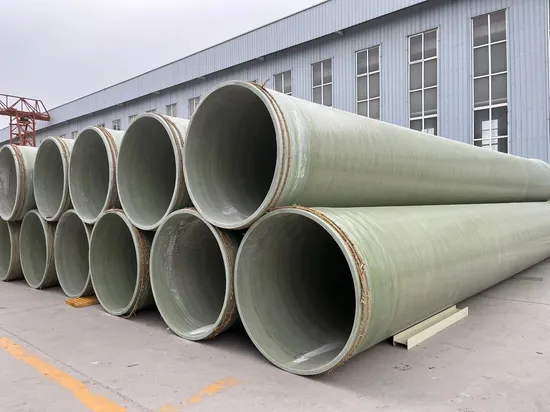
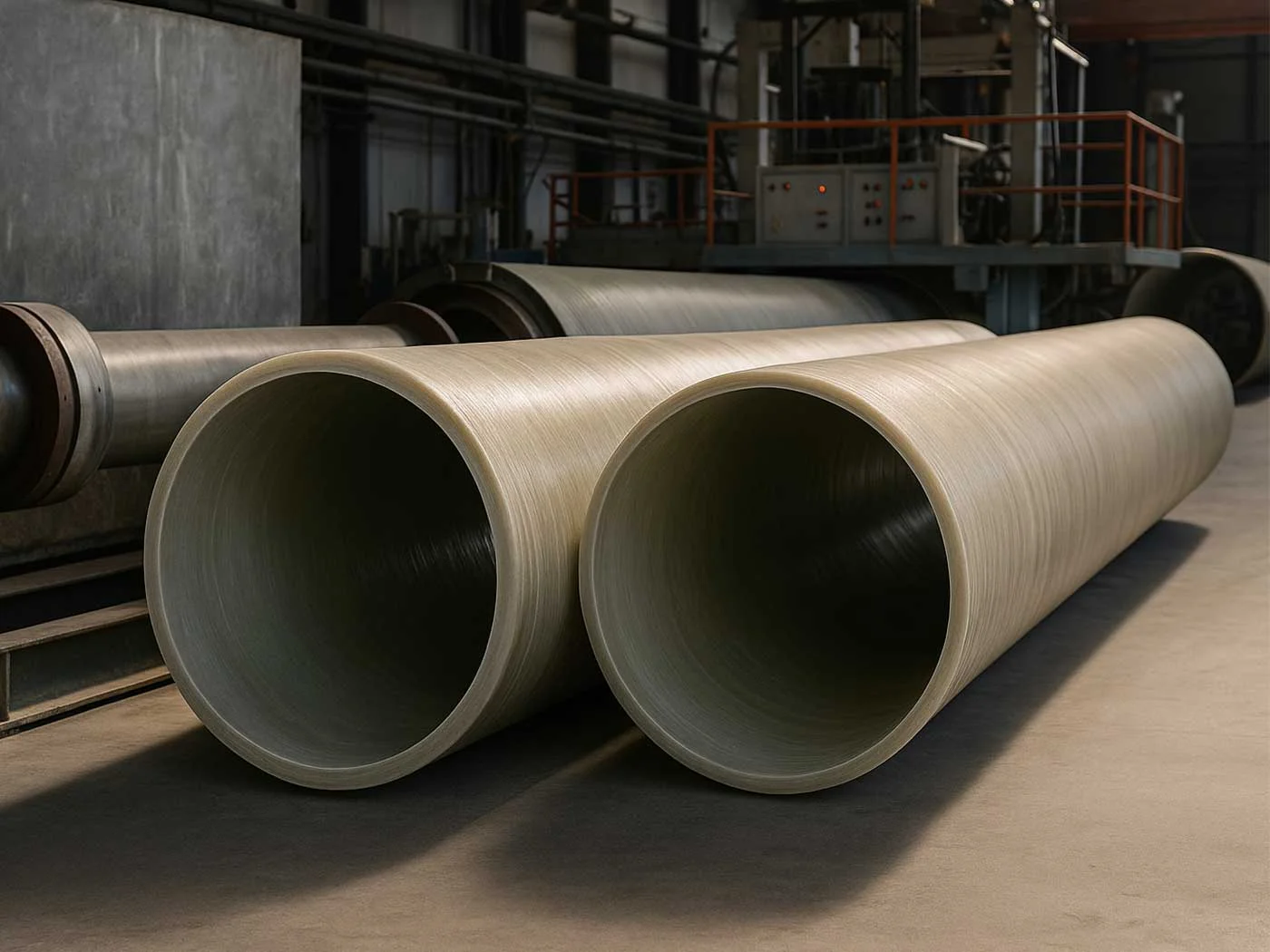
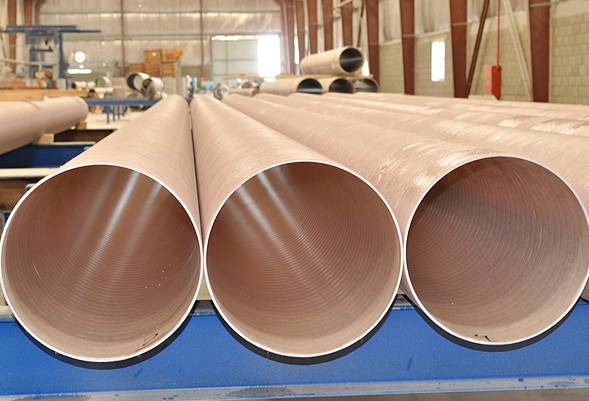
GRP Pipes are high-performance, corrosion-resistant composite pipes manufactured through advanced filament winding or centrifugal casting processes, combining thermosetting resin systems with continuous glass fiber reinforcements. Primarily used in large-scale water transmission, desalination, wastewater management, and industrial cooling systems, these pipes deliver a superior strength-to-weight ratio and exceptional hydraulic efficiency. The key value proposition lies in their 50+ year design life with virtually zero maintenance, replacing traditional steel, ductile iron, and concrete pipes in aggressive environments. Strategically, GRP Pipes are critical for global infrastructure resilience, reducing lifecycle costs by 30–40% while offering a lower carbon footprint than metallic alternatives.
2. Key Specifications & Technical Characteristics
-
Material Components: Isophthalic or vinyl ester resin matrix, E-glass fiber reinforcement, fine silica sand filler (for stiffness classes)
-
Purity/Grade: Food-contact safe resin grades available (WRAS, NSF/ANSI 61 certified); industrial grades comply with ASTM D2996, ISO 14692, AWWA C950
-
Physical Form: Cylindrical pipe sections; color: typically dark gray, green, or custom RAL
-
Diameter Range: DN 25 mm to DN 4000 mm (1” to 160”)
-
Pressure Class: PN 1 to PN 32 bar (strain or stiffness-designed)
-
Stiffness Class: SN 2500 to SN 10000 N/m²
-
Surface Finish: Smooth internal liner (absolute roughness ≤0.03 mm) for high flow
-
Joint Types: Coupling with double elastomeric seals, flanged, or laminated
-
Packaging Options: Nested/bundled (≤ DN 300); loose with wooden supports (≥ DN 350); end caps sealed against contamination
-
Shelf Life: Indefinite when stored away from UV exposure (UV-protected outer layer standard; unprotected storage max 6 months)
3. Core Industrial Applications
-
Water & Wastewater Infrastructure: Municipal potable water transmission, sewer force mains, and stormwater drainage. Outperforms steel/concrete by eliminating internal corrosion, scaling, and tuberculation – maintaining high flow coefficients (Hazen-Williams C = 150) over decades without cleaning.
-
Desalination & Marine Intake/Outfall: Handles high-chloride, warm seawater without pitting or galvanic corrosion, where stainless steel fails within months. Lower friction reduces pumping energy by 15–20% compared to HDPE or ductile iron.
-
Industrial Cooling Systems: Power plants, petrochemical refineries, and fertilizer complexes. Resists chemical attack from chlorinated cooling water and low-pH effluents. Lighter than steel (1/4 the density) enables faster installation and lower support structure costs.
-
Irrigation & Hydropower: Large-diameter penstocks and canal crossings. Sand-filled GRP offers lower modulus than steel, reducing water hammer stresses and eliminating cathodic protection requirements.
4. Competitive Advantages
-
Quality Consistency: Automated filament winding with ISO 9001:2025 process controls ensures mechanical properties within ±3% tolerance; every batch includes hydrostatic proof testing and layer-wise ultrasonic scanning.
-
Supply Reliability: Global manufacturing nodes (Asia, Middle East, Europe) with 50,000+ MT annual capacity; 24/7 logistics control tower for time-sensitive infrastructure projects.
-
Logistics Capability: Nested transport for diameters under 300 mm reduces container volume by 60% compared to ductile iron, lowering landed cost per kilometer.
-
Price Competitiveness: Lower upfront cost than stainless steel or lined carbon steel; total installed cost (TIC) 20–35% below corrosion-resistant metallic systems due to lightweight handling and fewer joints.
-
Sustainability: 100% inert during service; fully recyclable into energy recovery or filler material at end of life; manufacturing emits 50% less CO₂ per meter than equivalent steel pipe (verified by EPD).
-
Technical Support: Full FEA stress analysis, thrust restraint calculations, installation manuals in 12 languages, and on-site jointing training included for orders ≥ 2 km.
5. Commercial & Supply Information
-
Minimum Order Quantity (MOQ): 20 MT (mixed diameters permitted, subject to minimum run length per diameter)
-
Loading Capacity (20 ft container): 18–22 MT depending on diameter mix and nesting efficiency
-
Loading Capacity (40 ft container): 22–26 MT (standard); for DN ≤ 300 mm with nesting – up to 28 MT
-
Lead Time (ex-works): 4–6 weeks for 20–100 MT; 8–10 weeks for 500+ MT projects
-
Incoterms supported: FOB, CFR, CIF, EXW (global port network: Houston, Rotterdam, Jebel Ali, Singapore, Shanghai)

Reviews
There are no reviews yet.