
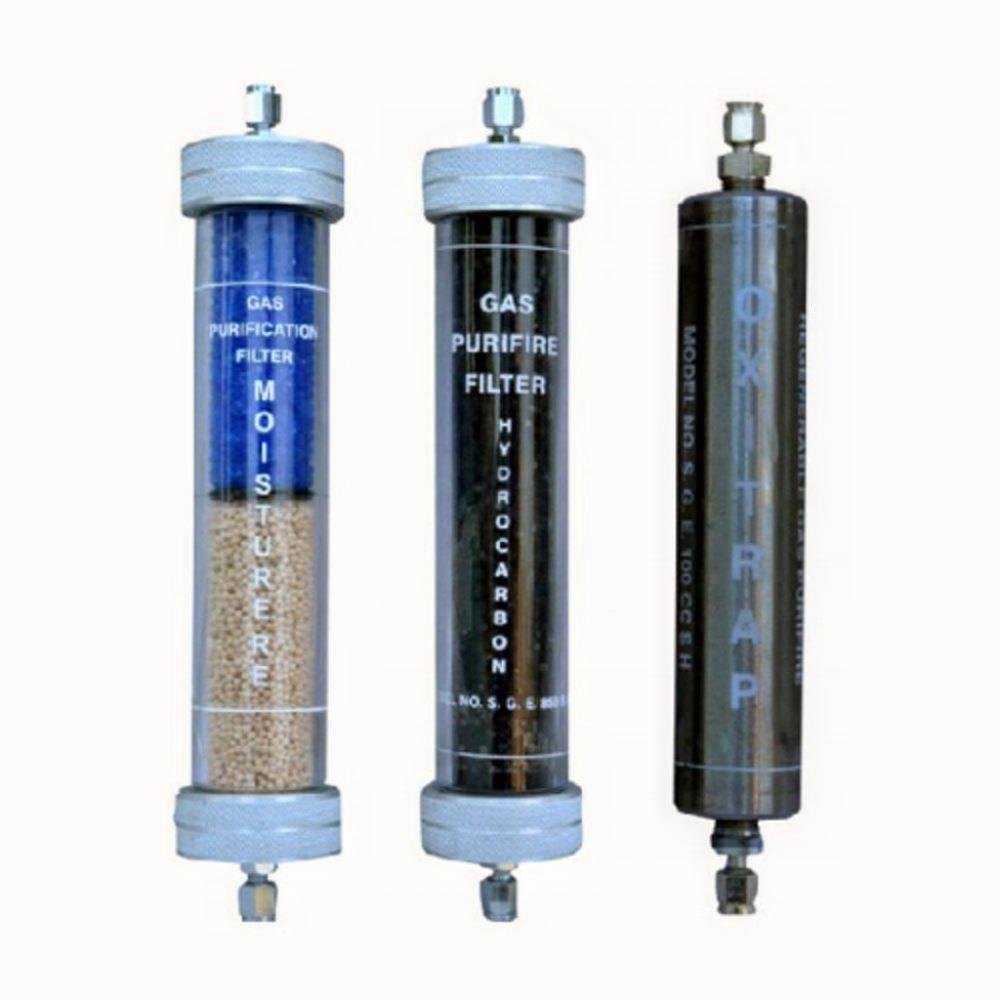
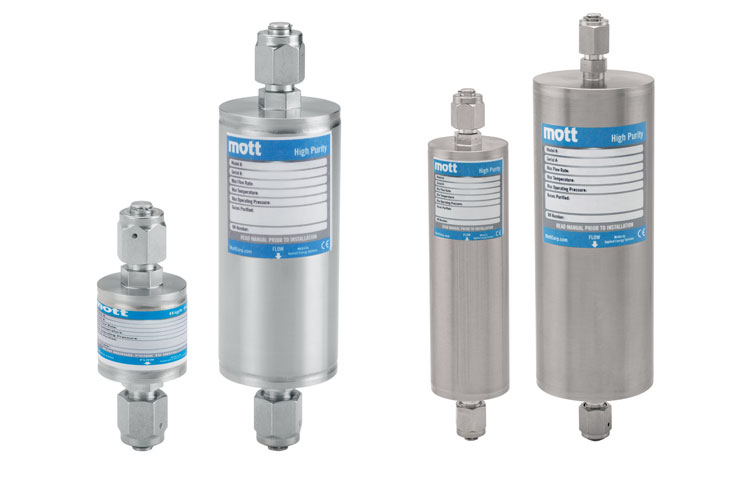
Description
1. Product Overview
The Gas Purification Filters are engineered high-efficiency media systems designed to remove contaminants—including hydrogen sulfide, mercaptans, carbon dioxide, and moisture—from natural gas, biogas, and industrial off-gases. Primarily used in upstream oil & gas, petrochemical, and renewable natural gas (RNG) processing facilities, these filters deliver a 99.97% removal efficiency at nominal flow rates, ensuring downstream asset protection and regulatory compliance. Strategically critical in an era of tightening emissions standards and lower-quality feedstock gas, they reduce unplanned downtime and extend catalyst life, directly improving plant operating margins.
2. Key Specifications & Technical Characteristics
-
Chemical Composition: Proprietary blended media bed (activated alumina + molecular sieve 4A/13X + zinc oxide impregnated carbon) — sulfur loading capacity >18 wt%
-
Purity / Performance Grade: ISO 8573-1 Class 1 for oil aerosol and particulate; outlet H₂S < 1 ppmv, dew point depression to -40°C
-
Physical Characteristics: Pelletized cylindrical extrudates (4 mm diameter × 8–12 mm length); dark grey to charcoal; bulk density 720–780 kg/m³; BET surface area >300 m²/g
-
Packaging Options: Hermetically sealed 200 L steel drums (net 180 kg) or 1,000 kg FIBC super sacks with moisture barrier liners
-
Shelf Life: 36 months from manufacture date when stored in original unopened containers at <35°C and <60% RH
3. Core Industrial Applications
-
Primary industries: Natural gas processing, landfill biogas upgrading, hydrogen production (SMR units), ethylene cracker feed pretreatment
-
Operational use cases: (1) Removal of sulfur compounds upstream of reformer catalysts; (2) Polishing CO₂ in LNG liquefaction trains; (3) Protecting amine treating units from inlet slug loads
-
Performance advantage: 40% lower pressure drop (ΔP < 0.07 bar per meter of bed depth) compared to standard activated carbon filters, reducing compression energy costs by up to $0.12/MMBtu. Durability is proven via 8,000+ operating hours in sour gas environments without channeling or bed fluidization.
4. Competitive Advantages
-
Quality consistency: Lot-to-lot uniformity index >98%; each batch is third-party tested (SGS or Bureau Veritas) for breakthrough capacity and crush strength
-
Supply reliability: Dual-sourced raw materials with 6-month rolling safety stock; 98% on-time-in-full (OTIF) track record over 24 consecutive months
-
Logistics capability: Containerized shipment from 3 regional warehouses (Houston, Rotterdam, Singapore) with 5-day average lead time to major industrial ports
-
Price competitiveness: Tiered volume pricing with a total cost of ownership (TCO) model — 15–20% lower lifecycle cost vs. market average when including changeout and disposal
-
Sustainability: Fully reactivatable media (up to 3 cycles); spent material can be returned for closed-loop recycling with a certified carbon credit per metric ton
-
Technical support: Full API 571 corrosion engineering documentation, digital twin bed-life prediction tool, and 24/7 remote performance monitoring integration
5. Commercial & Supply Information
-
Minimum Order Quantity (MOQ): 20 MT (bulk)
-
Loading capacity: 20 MT per standard 20-foot dry container (using dense-packed FIBCs, stowed in 20 pallet positions)
Reviews
There are no reviews yet.