
Description
Product Overview
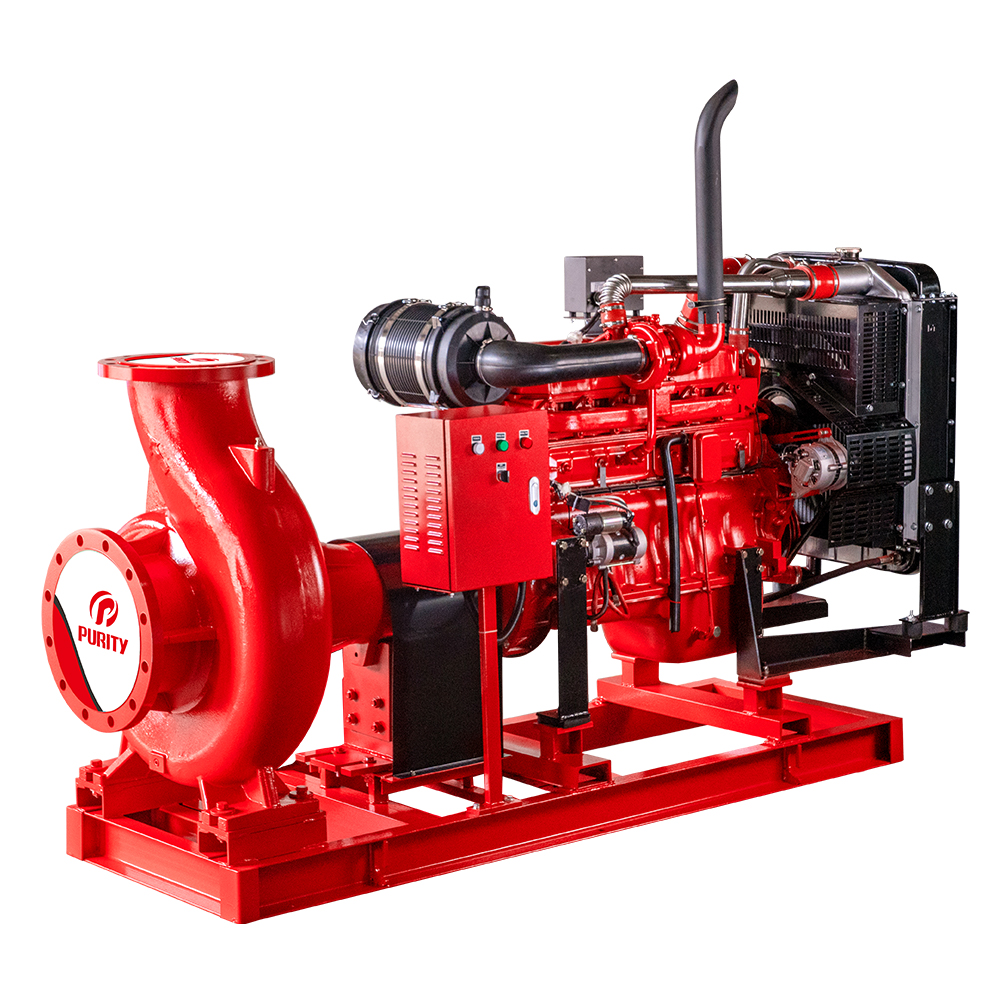
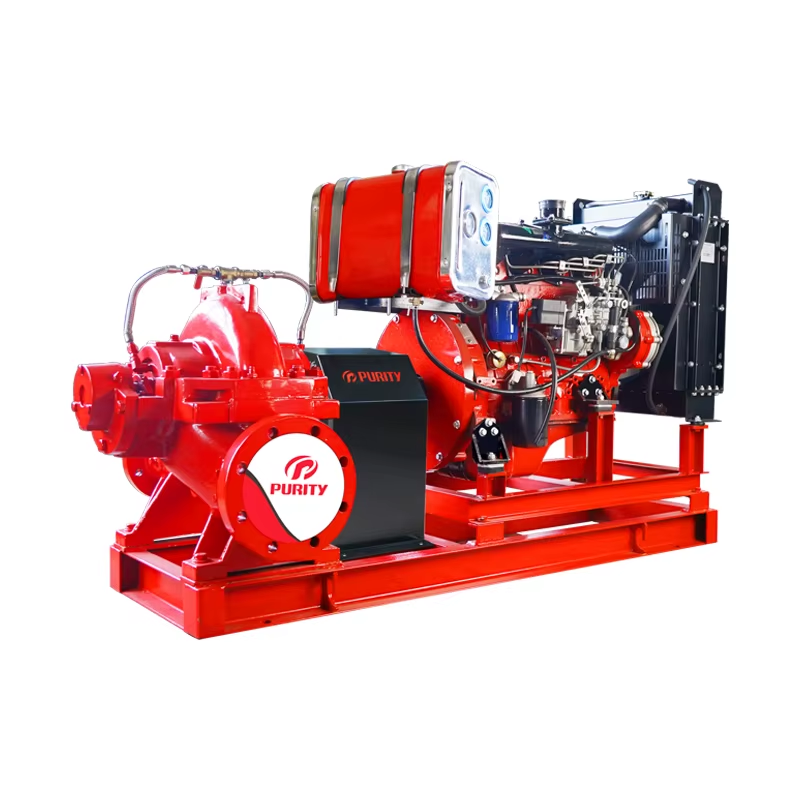
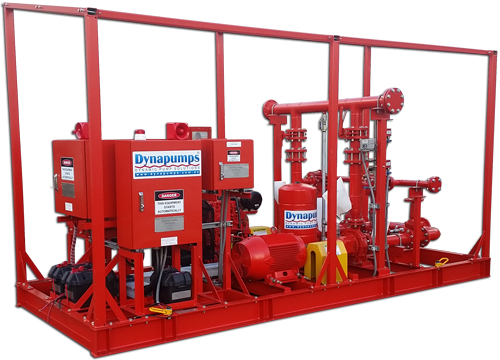
Firewater pump skid is a fully integrated, factory-tested firefighting water delivery module designed for rapid deployment in industrial, petrochemical, marine, and large-plant safety systems. It combines one or more centrifugal fire pumps, diesel or electric prime mover, control panel, suction and discharge manifolding, hose and valve interfaces, and a compact baseframe/skid to provide a turnkey fire suppression water supply. The unit’s key value proposition is dependable, code-compliant flow and pressure performance delivered as a single-supplier system that minimizes on-site engineering and commissioning time. Strategically, the skid reduces operational downtime and capital project complexity by standardizing firewater supply across sites, improving compliance with safety regulations and insurer requirements.
Key Specifications & Technical Characteristics
-
Baseframe and skid: carbon steel (SAE 1010–1020) with epoxy primer and polyurethane topcoat; stainless-steel (SS 304 or SS 316) options available for corrosive environments.
-
Pumps: horizontal split-case centrifugal or end-suction centrifugal models; API 610 / ISO 5199 design options; single or duplex (n+1) configuration.
-
Drivers: diesel engine (Tier 3/Tier 4 options), electric motor (IE3/IE4 efficiency ratings); gearbox-coupled or direct-coupled arrangements.
-
Control system: PLC-based control panel, automatic start/stop, manual override, local HMI, and remote SCADA interface (MODBUS/OPC-UA).
-
Performance range: flow rates from 50 to 5,000 m3/h; total dynamic head up to 200 m, configurable to specification.
-
Materials wetted: pump casing and impeller (ductile iron, bronze, or stainless steel); seals (mechanical seals, single or double), bearing housing with grease lubrication provisions.
-
Mechanical characteristics: nominal suction/discharge flanges ANSI/DIN/JIS standard sizes; vibration-isolated mountings; external anti-vibration pads.
-
Instrumentation: pressure gauges, flow meters, suction strainers, pressure relief valves, temperature sensors, fuel level sensor (diesel), and alarms.
-
Electrical: LV power distribution, MCC with short-circuit protection, emergency stop circuits, ATEX-rated enclosures available for hazardous zones.
-
Footprint and weight: skid lengths typically 2.5–8 m, widths 1.2–3 m; weight depends on configuration — consult datasheet for exact figures.
-
Packaging and delivery: factory-wrapped for export, timber or steel crating, sea‑/rail‑/truck-ready; pre-shipment FAT and test certificates included.
-
Documentation: as-built drawings, IOM manual, hydraulic curves, test certificates, material certificates (EN 10204 3.1 upon request).
-
Shelf life: not applicable (mechanical equipment). Preservation procedures for long-term storage provided.
Core Industrial Applications
-
Petrochemical and refining: primary firewater source for hydrant networks, deluge systems, and foam makers; skid architecture supports hazardous-area compliance and rapid tie-in to plant mains.
-
Offshore and marine terminals: compact, vibration-damped units engineered for limited deck space and corrosive atmospheres; compliant with marine classification society requirements where specified.
-
Power generation and utilities: emergency cooling and firefighting for turbine halls, switchyards, and fuel handling areas; integration with plant BMS and emergency control rooms.
-
Large industrial manufacturing and warehouses: municipal-independent emergency water supply for sprinkler and hydrant networks, supporting business-continuity planning.
-
Mining and heavy industry: remote-site firefighting capability with diesel drive options and on-skid fuel tanks for autonomous operation.
Why it performs better -
Engineered as a matched system (pump, driver, controls) to deliver guaranteed hydraulic performance, eliminating mismatched on-site assemblies.
-
Pre-tested at factory (FAT) with certified duty point verification reduces commissioning risk and schedule slippage.
-
Modular design allows rapid scaling (duplexing, parallel skids) and easier maintenance access versus field-built pump rooms.
-
Options for corrosion-resistant materials, ATEX-rated controls, and higher-efficiency drivers lower life-cycle cost versus generic units.
Competitive Advantages
-
Quality consistency: manufactured to ISO 9001 processes with material traceability and inspection regimes; available EN/ISO/ASME certifications on request.
-
Supply reliability: regional manufacturing partners and stock of critical assemblies reduce lead time; configurable stock models for expedited delivery.
-
Logistics capability: container- and truck-optimized skids, pre-shipment preservation, and export packaging simplify international transport and inland delivery.
-
Price competitiveness: standardized modules reduce engineering hours and OPEX through predictable maintenance intervals and spare-parts commonality.
-
Sustainability: high-efficiency motors and low-emission diesel options; design for ease of maintenance extends service life and reduces waste.
-
Technical support: full documentation, startup support, commissioning services, spare-parts kits, and optional service agreements for maintenance and performance audits.
Positioning statement: procuring a Firewater pump skid is a strategic sourcing decision that consolidates responsibility for firewater performance, lowers integration risk, and accelerates time-to-ready for critical safety systems.
Commercial & Supply Information
-
Minimum order quantity (MOQ): BULK 20MT.
-
Typical loading capacity (per 20’ container): depending on skid dimensions and packing method, 1–2 skids per 20’ container or 2–4 skids per 40’ HC; for larger skids, breakbulk or flat rack shipment recommended.
-
Lead times: configurable-stock models typically 8–12 weeks; fully customized builds 16–24 weeks (subject to final specification and certification requirements).
-
Warranty and after-sales: standard 12-month warranty from commissioning; extended warranties and service contracts available.
-
Ordering prerequisites: confirmed hydraulic duty point (flow and TDH), power supply details, site classification (hazardous area), and transport/access constraints.
Would you like this tailored to a specific industry (refining, offshore, or utilities) or adjusted to match a particular code or standard (NFPA, API, EN)?
Reviews
There are no reviews yet.