
Description
1. Product Overview
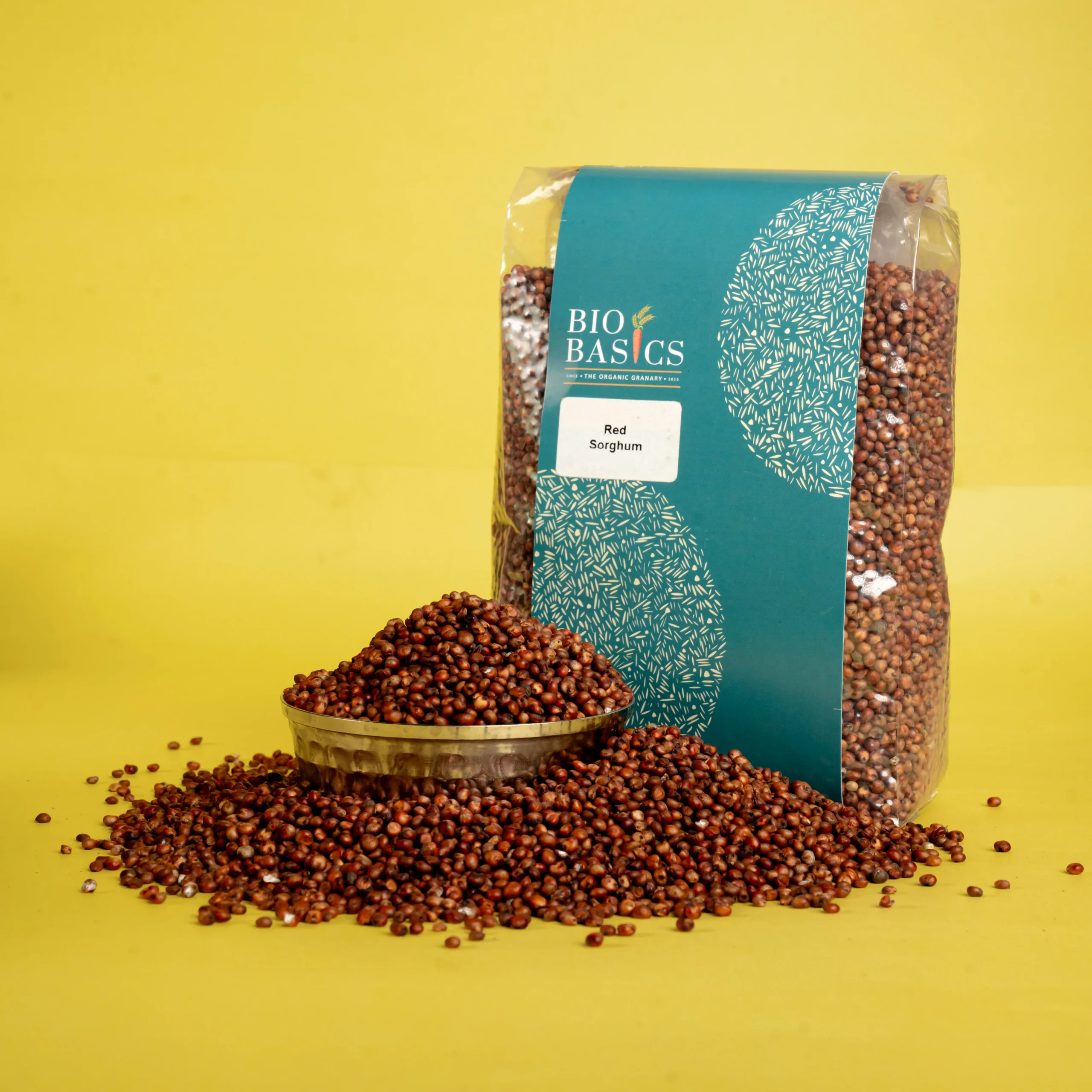
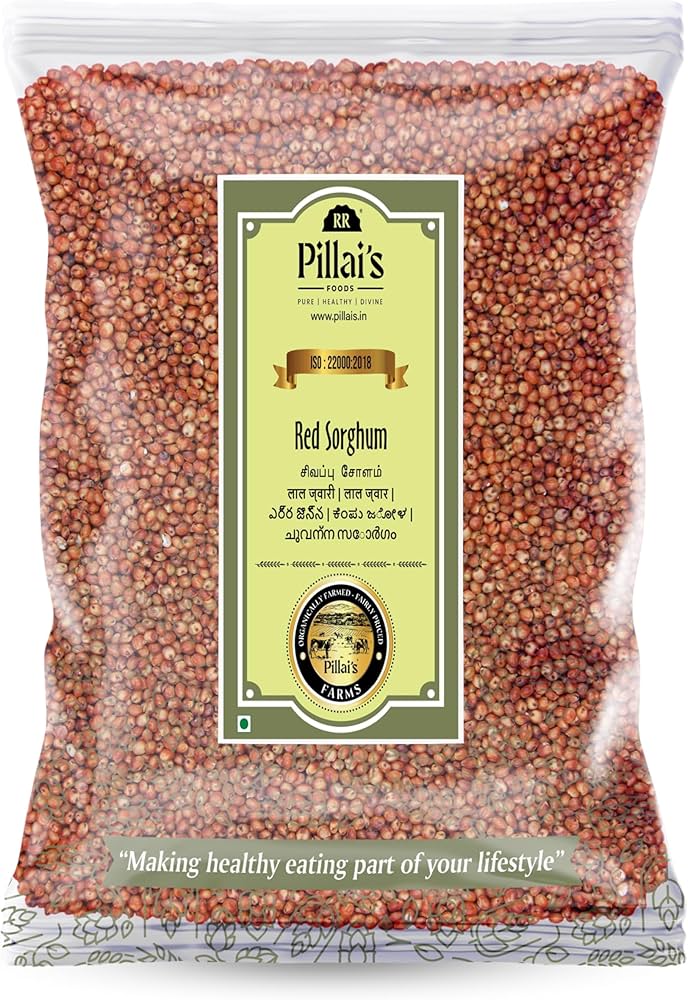
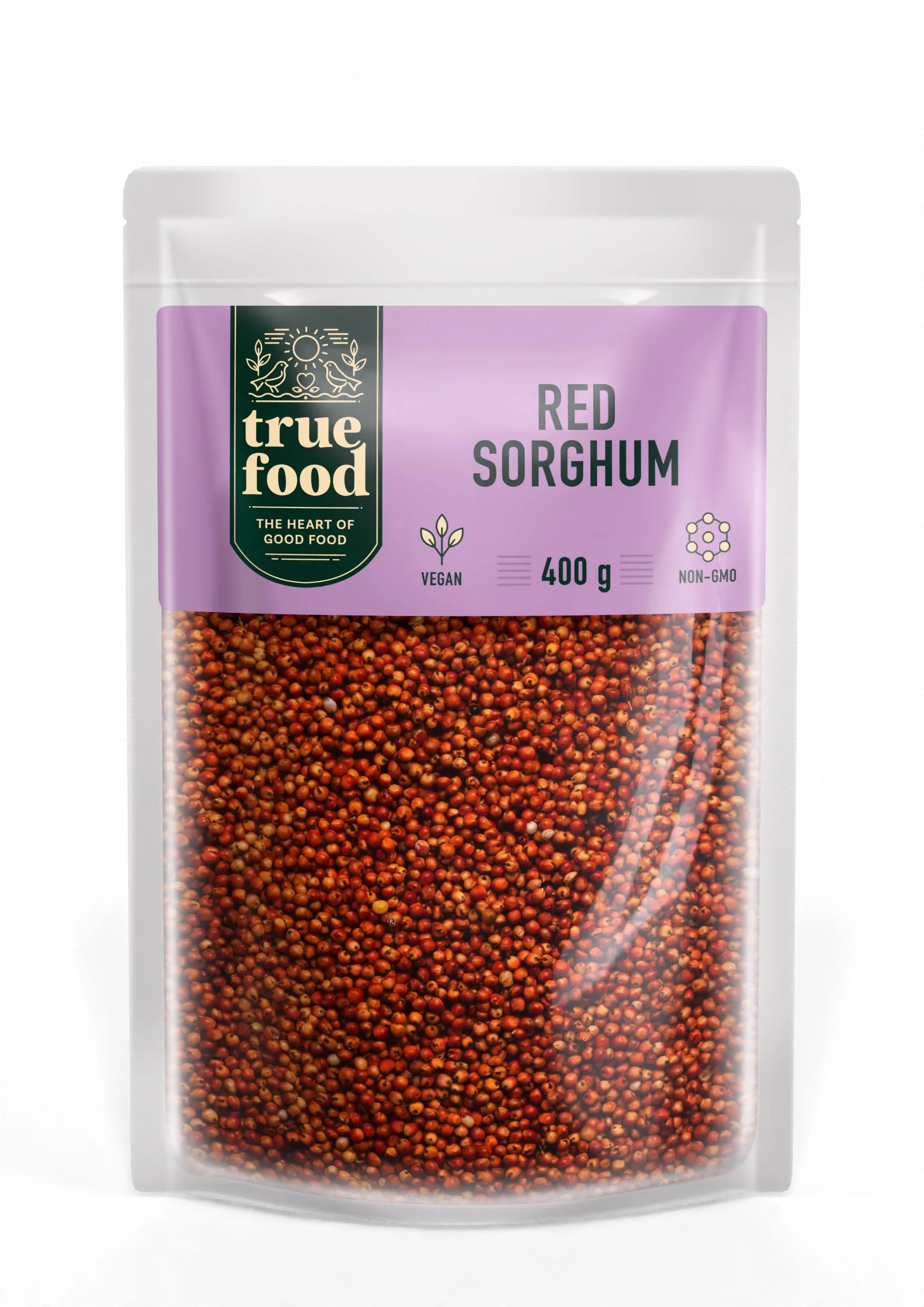
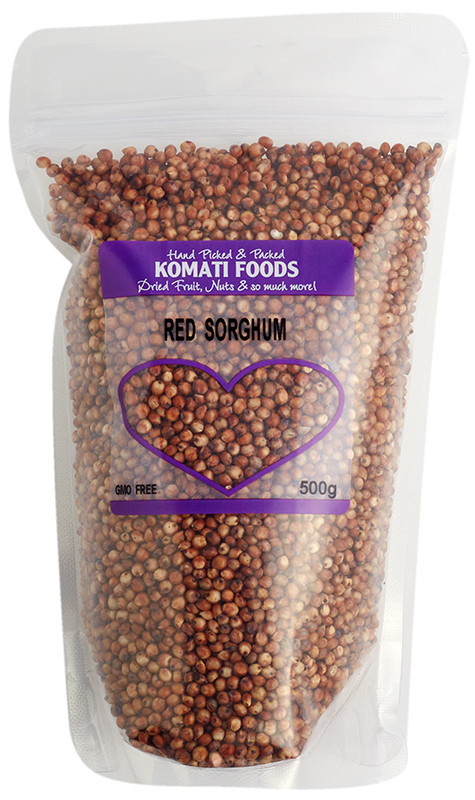
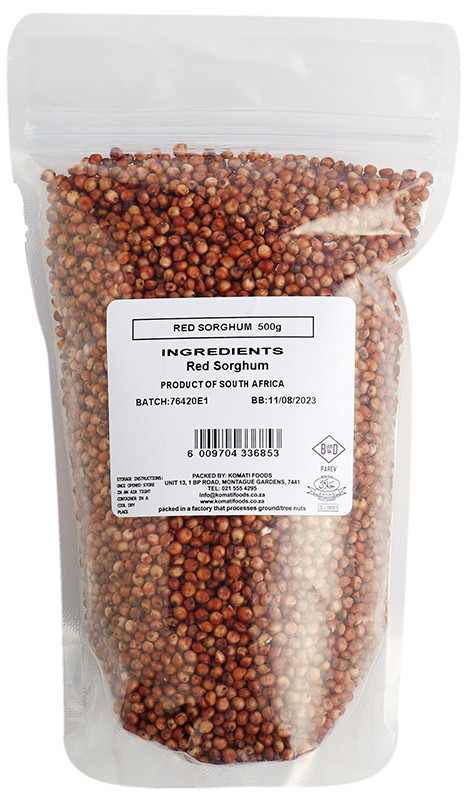
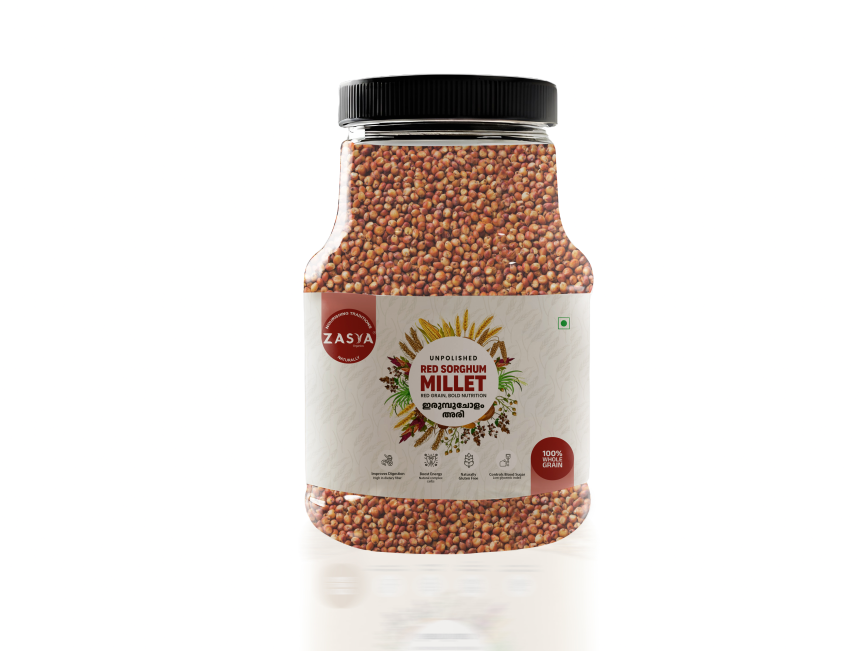
Feed Sorghum (Red Sorghum Grain) is a high-energy, gluten-free cereal grain cultivated explicitly for intensive animal feed formulations and industrial bioenergy applications. Its primary industrial use is as a cost-effective, drought-tolerant alternative to corn in livestock rations—particularly for poultry, swine, and cattle—and as a starch feedstock for ethanol production. The key value proposition is its strategic ability to lower feed cost per ton of weight gain while maintaining digestible energy parity with yellow corn, coupled with superior tannin profiles that reduce enteric methane emissions in ruminants. In a volatile global grain market marked by climate-driven supply risks, red sorghum offers procurement resilience, price stability, and operational predictability.
2. Key Specifications & Technical Characteristics
-
Chemical Composition:
-
Crude Protein: 8–12% (DM basis)
-
Starch: 65–72%
-
Crude Fat: 2.5–3.5%
-
Crude Fiber: ≤ 5%
-
Condensed Tannins (low/medium): 0.2–1.5% (controlled for feed safety)
-
Moisture: ≤ 14%
-
-
Purity / Grade: Feed Grade (Premium) — 99.5% pure grain, ≤ 1% foreign matter, zero detectable aflatoxins or vomitoxin
-
Physical Characteristics:
-
Form: Whole, dry kernel
-
Color: Red to deep burgundy
-
Particle size (as whole grain): 3–5 mm diameter
-
Bulk density: 720–760 kg/m³
-
Hardness: Corneous endosperm (high resistance to breakage during transport)
-
-
Packaging Options: Bulk vessel / hopper truck / 1–1.5 MT jumbo bags on pallets
-
Shelf Life: 18 months from harvest date when stored at ≤ 20°C and ≤ 65% RH in aerated, pest-controlled silos
3. Core Industrial Applications
-
Primary Industries:
-
Intensive animal feed manufacturing (poultry, swine, beef, dairy)
-
Fuel ethanol (dry-grind and wet-milling biorefineries)
-
Pet food and aquafeed (as a binder and energy source)
-
-
Operational Use Cases:
-
Poultry broiler diets: Replaces 40–70% of corn without compromising weight gain or FCR (Feed Conversion Ratio), due to high metabolizable energy (ME ~ 3,200 kcal/kg)
-
Swine finishing rations: Low-tannin red sorghum reduces viscosity in the small intestine, enhancing nutrient absorption by 12–15% vs. standard sorghum
-
Ruminant TMR (Total Mixed Ration): The polyphenol (tannin) matrix binds rumen-degradable protein, reducing ammonia loss and improving nitrogen efficiency by 8–10%
-
-
Performance Advantage vs. Alternatives:
-
Vs. corn: 5–15% lower cost per ton; requires 30–40% less irrigation water; no mycotoxin susceptibility (e.g., fumonisins)
-
Vs. wheat: Lower risk of digestive粘连 (non-sticky) in poultry; more stable pricing outside EU markets
-
Vs. barley: Higher starch density and lower beta-glucans → faster gain in feedlot systems
-
4. Competitive Advantages
-
Quality Consistency: Every lot is laboratory-tested for tannin level, protein, and mycotoxin absence. ISO 17025-accredited certificates of analysis provided per shipment.
-
Supply Reliability: Multi-origin sourcing strategy (India, Argentina, USA, Nigeria) ensures 12-month uninterrupted availability, even during regional crop failures.
-
Logistics Capability: Dedicated bulk vessel loading at deep-water ports (handling 15,000–50,000 MT per shipment); rail-to-truck transloading in destination country within 72 hours of discharge.
-
Price Competitiveness: Price lock options for 3–6 month contracts with freight-on-board (FOB) or CFR/CIF delivery. Volume discounts at 50k MT+.
-
Sustainability: High water-use efficiency (0.8–1.0 m³ per kg grain vs. 1.5–2.0 for corn) reduces Scope 3 water footprint. Lower enteric methane (10–15% reduction in feedlot cattle) supports GHG reduction targets.
-
Technical Support: Free ration formulation advisory — nutritionist-led comparison of sorghum vs. your current carbohydrate source to optimize cost per kg of gain.
5. Commercial & Supply Information
-
Minimum Order Quantity (MOQ): BULK 20 MT (one full truckload or LCL container equivalent)
-
Loading Capacity (per container type):
-
20-foot dry container: 22–24 MT (depending on stowage density)
-
40-foot dry container: 26–28 MT (due to weight limit — cargo is density-limited, not volume-limited)
-
Reviews
There are no reviews yet.