

Description
1. Product Overview
Feed-grade lysine sulfate is a high-bioavailability essential amino acid concentrate produced via controlled microbial fermentation, standardized for use in monogastric and ruminant animal nutrition. Its primary industrial application is the precision formulation of compound feeds, premixes, and protein blends to overcome the first-limiting amino acid deficiency in corn- and wheat-based diets. The key value proposition lies in delivering cost-efficient nitrogen retention and muscle protein synthesis at a lower inclusion cost than conventional lysine HCl alternatives. Strategically, this product enables feed manufacturers to reduce dietary crude protein levels, lower feed formulation costs, and comply with tightening environmental nitrogen emission regulations globally.
2. Key Specifications & Technical Characteristics
-
Chemical composition: L-lysine sulfate (C₆H₁₄N₂O₂) complexed with residual sulfate salts from fermentation; minimum 55% lysine content on an as-is basis
-
Purity / activity grade: Feed-grade, minimum 55.0% L-lysine, 15–17% sulfate-sulfur, moisture ≤ 5.0%
-
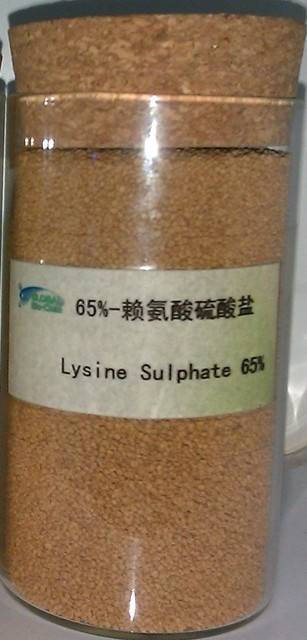
Physical characteristics: Fine to semi-granular powder; light to medium tan to brown color; particle size 90% passing through 0.5 mm sieve; bulk density 650–750 g/L
-
Form: Free-flowing powder, minimal dust generation, anti-caking agent added
-
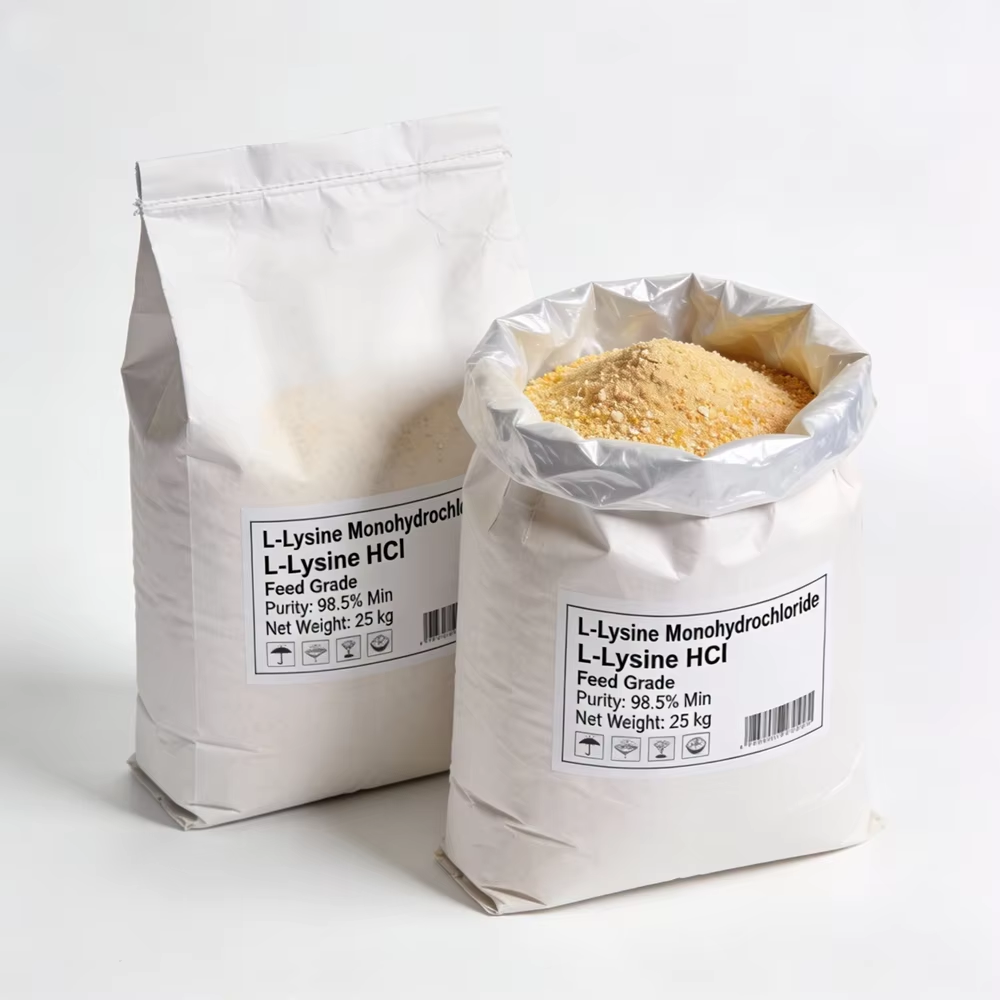
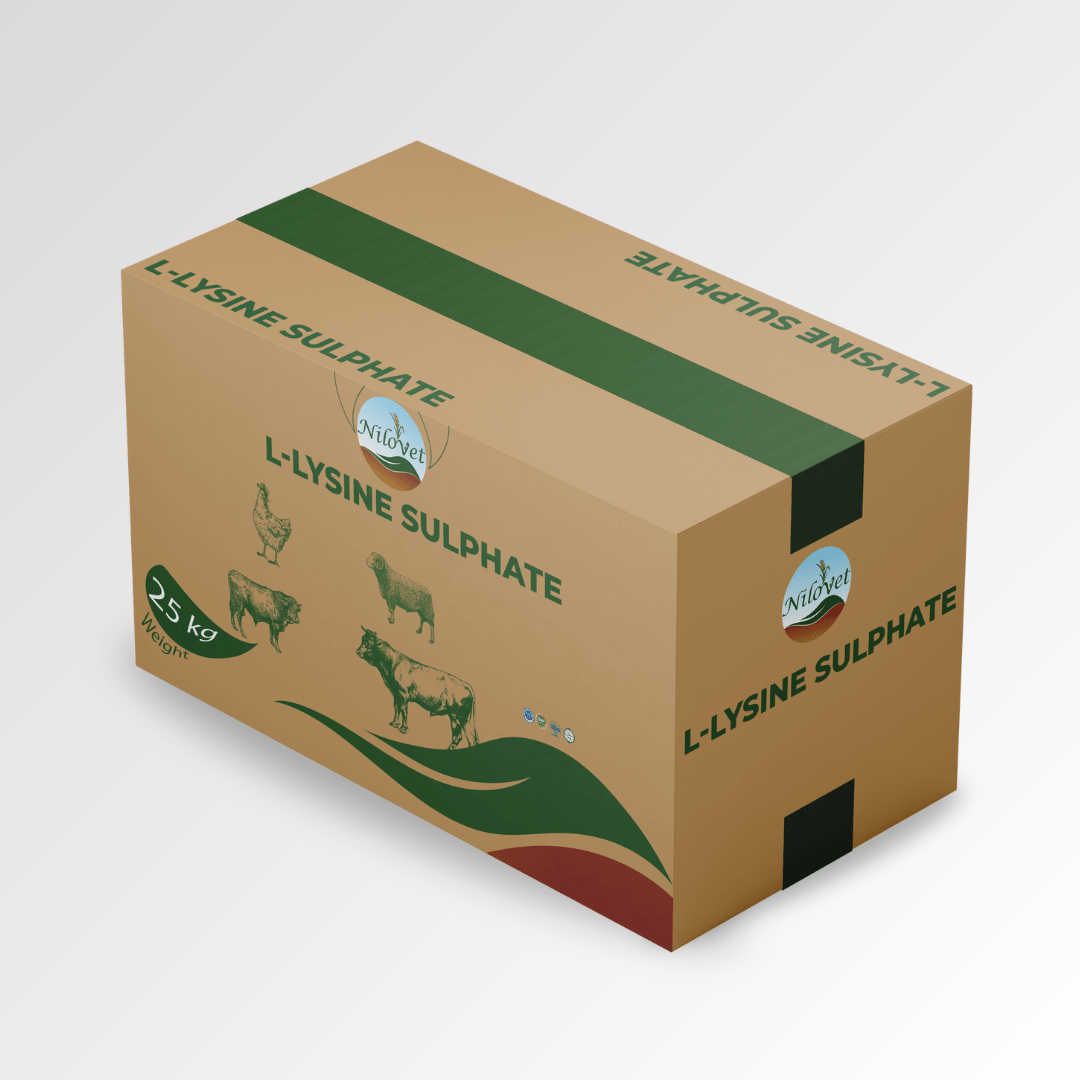
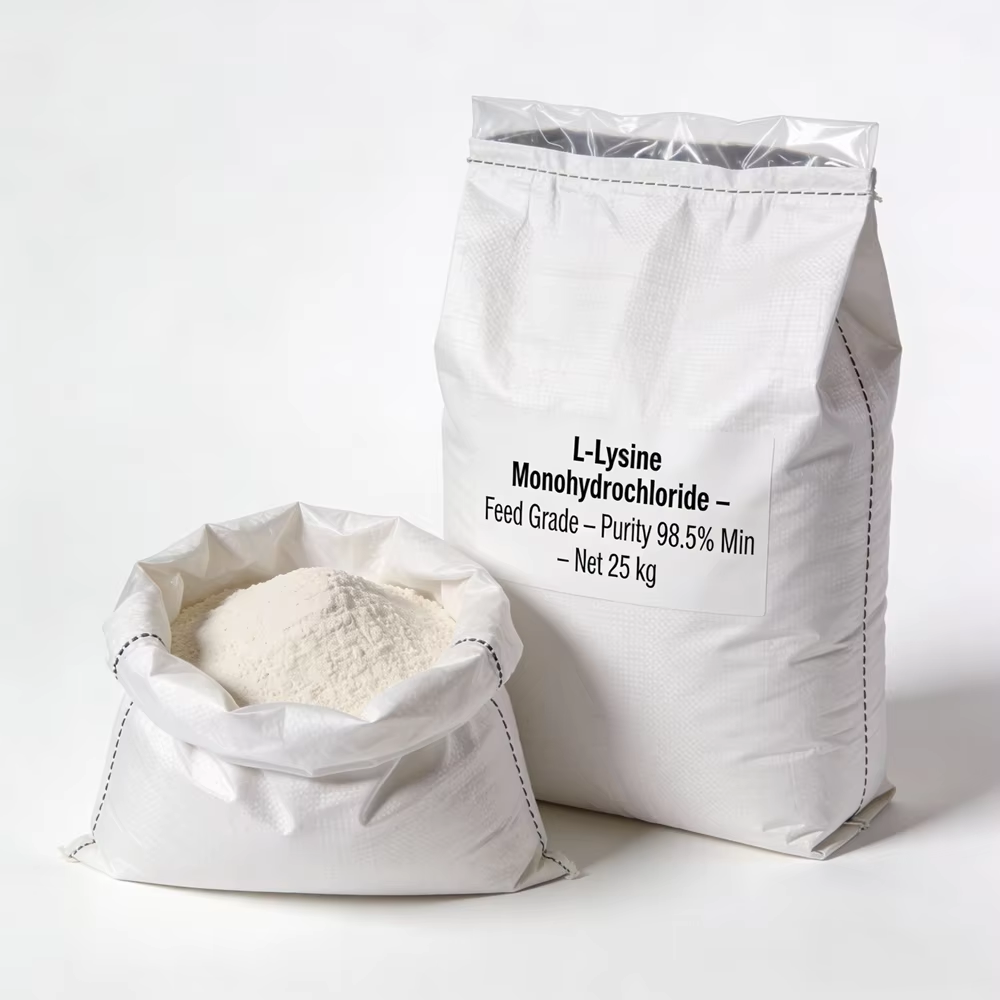
Packaging options: 25 kg multi-layer kraft/PE bags; 1 MT FIBC bulk bags; pneumatic tanker delivery for bulk silos
-
Shelf life: 24 months from manufacturing date when stored in sealed, dry conditions (relative humidity ≤ 70%, temperature ≤ 30°C)
3. Core Industrial Applications
-
Primary industries: Commercial compound feed mills, premix manufacturers, integrated poultry and swine operations, aquaculture feed producers
-
Specific use cases:
-
Swine finisher diets (6–8 kg/MT of complete feed to optimize feed conversion ratio)
-
Broiler starter/grower feeds (replacing up to 40% of lysine HCl without performance loss)
-
High-yielding dairy rations (post-rumen bypass formulations with protected lysine)
-
-
Why it performs better than alternatives: Compared to lysine HCl (78% lysine), lysine sulfate provides equivalent digestible lysine at 10–15% lower cost per unit of bioavailable lysine; sulfate co-product supports methionine utilization efficiency and reduces need for inorganic sulfur in feather and hoof formation.
-
Efficiency/cost advantage: Enables crude protein reduction of 1.5–2.5 percentage points in finisher diets while maintaining growth performance, lowering nitrogen excretion by 15–20% and feed material cost by $4–7/MT.
4. Competitive Advantages
-
Quality consistency: ISO 22000, FAMI-QS, and GMP+ certified production; batch-to-batch coefficient of variation (CV) for lysine content < 1.5%
-
Supply reliability: Vertically integrated fermentation facilities with 3+ redundant production lines; buffer inventory equivalent to 45 days of global demand
-
Logistics capability: Dedicated bagging lines for mixed container loading (25 kg + FIBC); 48-hour dispatch from regional warehousing (Asia, Europe, Americas)
-
Price competitiveness: Direct-from-producer pricing; no intermediary mark-ups; lysine HCl equivalent pricing model with transparent bioequivalence adjustment
-
Sustainability: Reduced carbon footprint per unit of bioavailable lysine vs. HCl due to lower energy intensity in drying and crystallization; co-product valorization (sulfate) eliminates waste discharge
-
Technical support: Full nutrient matrix values (SID lysine, digestible sulfur), formulation software plugin files (Brill, Format, Allix), and in-market nutritionist support
5. Commercial & Supply Information
-
Minimum Order Quantity (MOQ): 20 metric tons (MT) mixed packaging options permitted
-
Loading capacity per 20’ container: 20 MT (20 metric tons) – standardized bulk bag or palletized bag configuration
-
Additional terms: Ex-works, FOB, CIF, or DDP available; phytosanitary certificate, certificate of analysis (CoA), and material safety data sheet (MSDS) supplied with every shipment
Reviews
There are no reviews yet.