


Description
1. Product Overview
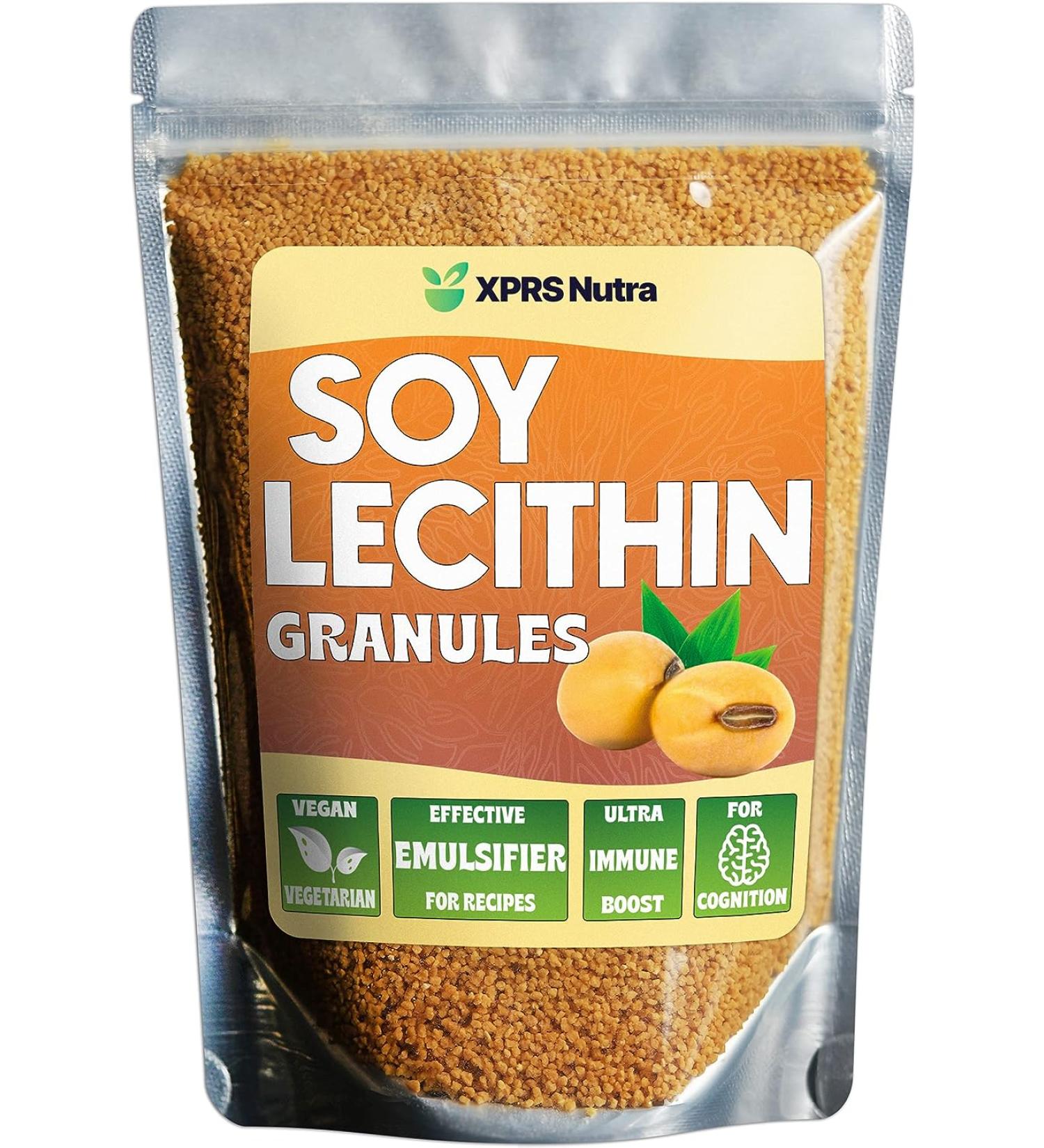
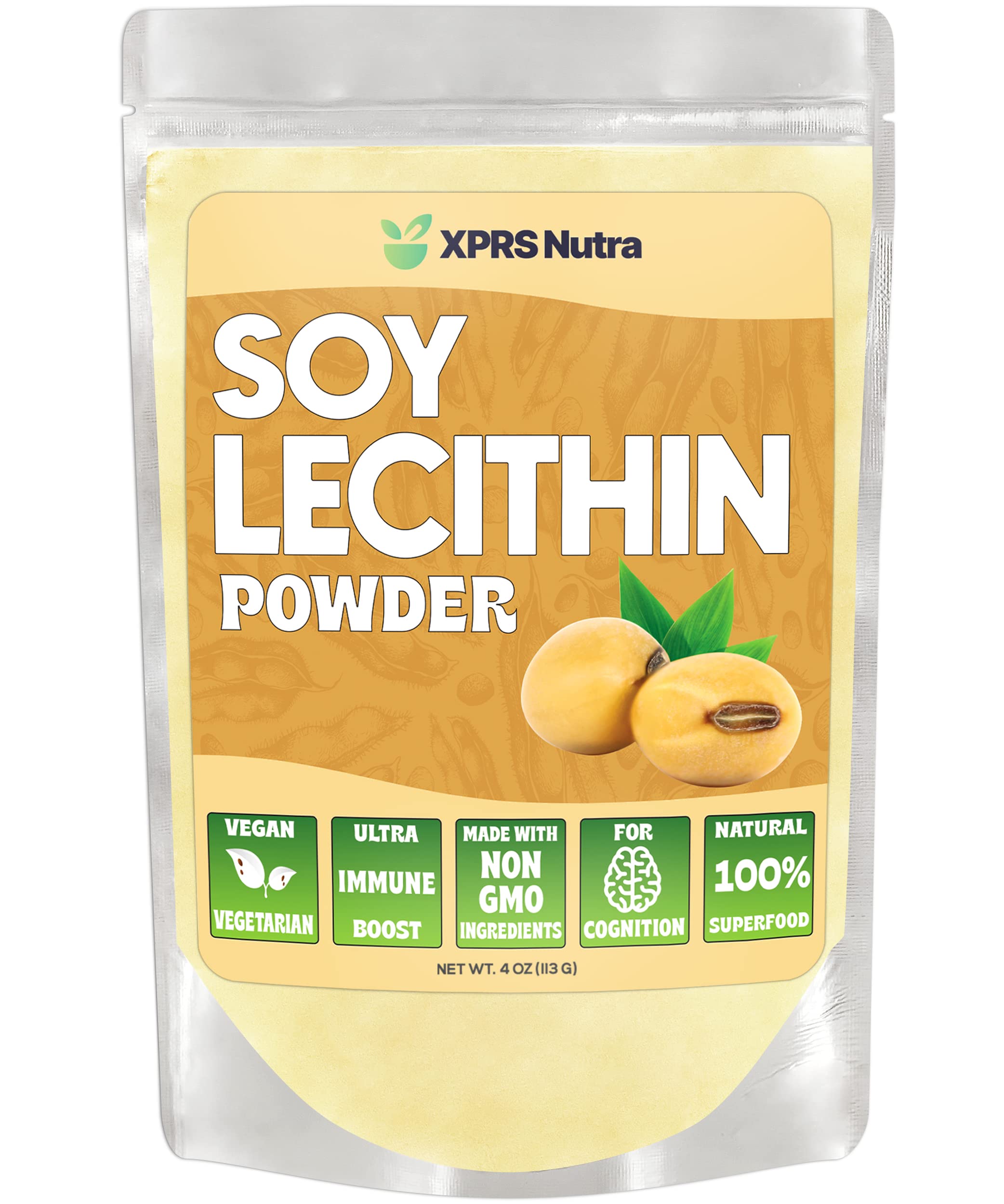
Feed-grade soybean lecithin is a standardized polar lipid fraction obtained from mechanically extracted soybean oil, containing 62–65% acetone-insoluble phospholipids (phosphatidylcholine, phosphatidylethanolamine, phosphatidylinositol). Its primary industrial use is as an emulsifying and conditioning agent in compound feed, aquafeed, and pet food manufacturing. The key value proposition is a 6–12% improvement in dietary fat digestibility and pellet integrity, directly lowering feed input costs per ton of output. Strategically, it enables producers to maintain growth performance while reducing added oils and synthetic binders—critical amid volatile vegetable oil prices.
2. Key Specifications & Technical Characteristics
-
Chemical composition: Phospholipids (min 62%), triglycerides, soybean oil residues, moisture max 1%
-
Purity grade: Feed grade – standardized, non-toxic, heavy metals below EU/FDA limits
-
Physical form: Viscous fluid or de-oiled powder; color light amber to brown; density approx 1.05 g/cm³ (liquid)
-
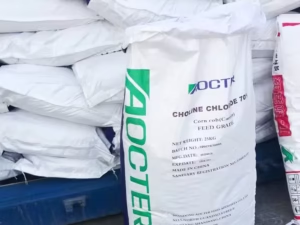
Packaging options: Bulk flexitanks (20 MT), 1,000 kg IBC totes, 200 kg steel drums, or 25 kg multi-wall bags (powder form)
-
Shelf life: 12 months sealed, cool & dry; stability additive (200 ppm antioxidant) optional for hot climates
3. Core Industrial Applications
-
Poultry and swine feed: Emulsifies added fats in broiler and weaner diets, reducing sticky feeders and improving weight gain uniformity.
-
Aquafeed manufacturing: Enhances water stability of extruded pellets, minimizing nutrient leaching and FCR in salmon, shrimp, and tilapia operations.
-
Ruminant and calf milk replacers: Stabilizes fat globules in liquid feed, preventing separation and improving energy intake.
-
Performance advantage: Outperforms raw soy oil and synthetic emulsifiers by simultaneously binding water-soluble and fat-soluble nutrients, reducing pelleting energy by 8–10%.
4. Competitive Advantages
-
Quality consistency: Every lot tested for AI matter, peroxide value (max 5 meq/kg), and microbiological purity – SPC < 5,000 CFU/g.
-
Supply reliability: Dual sourcing from crushing plants in Brazil and US Midwest with 12,000 MT monthly capacity.
-
Logistics capability: Owned flexibag filling stations at three gateway ports (Rotterdam, Shanghai, Houston).
-
Price competitiveness: Direct crusher-to-buyer model, eliminating 2–3 intermediary margins on 20 MT+ orders.
-
Sustainability: 100% certified Round Table on Responsible Soy (RTRS) credits available; carbon-neutral shipping option via biofuel vessels.
-
Technical support: On-staff animal nutritionists provide formulation additives sheets and in-line stability protocols.
5. Commercial & Supply Information
-
Minimum order quantity (MOQ): 20 metric tons (bulk liquid or powder equivalent)
-
Loading capacity per 20’ container: 20 MT (liquid flexitank); 24 MT (powder, palletized)
-
Incoterms offered: FOB, CFR, CIF – origin Brazil, US, or Netherlands
Reviews
There are no reviews yet.