
Description
-
Product Overview
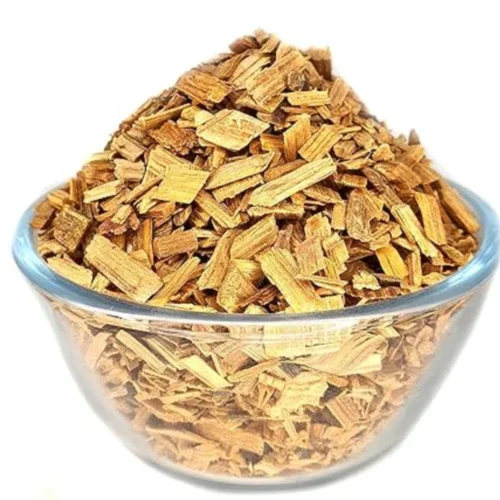
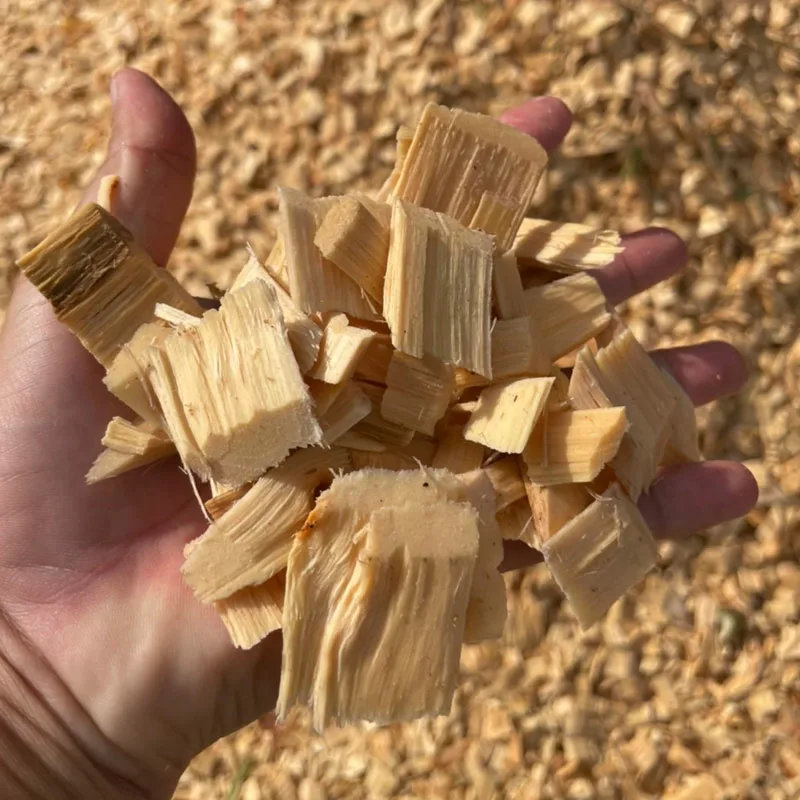
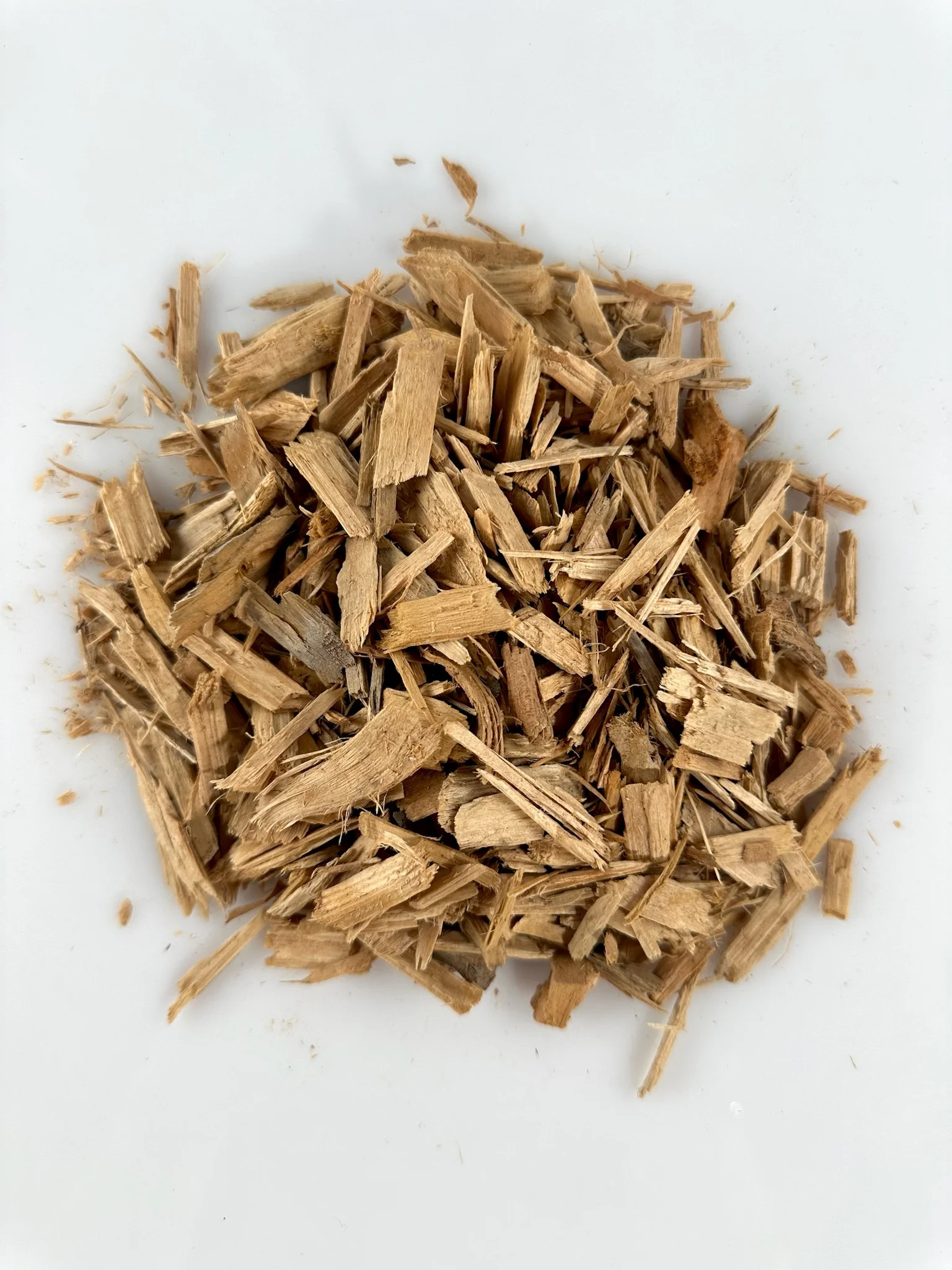
Eucalyptus Wood Chips are a high-quality, industrial-grade biomass feedstock produced from sustainably harvested Eucalyptus spp. plantation wood, processed into uniform chips for energy generation, pulping, and chemical extraction. Primary industrial uses include large-scale biomass combustion for power and heat, pulp & paper raw material, and feedstock for cellulose-derived chemical processes (including beta-glucosidase-related saccharification chains). The key value proposition is consistent, high-energy-density feedstock with controlled moisture and particle distribution that improves boiler efficiency, pulping yield, and downstream conversion rates. Strategically, these chips enable cost-efficient fuel substitution, predictable raw-material performance for continuous processes, and meet escalating corporate sustainability and decarbonization targets. -
Key Specifications & Technical Characteristics
-
Species: Eucalyptus spp. (plantation-grown, specified variety available on request).
-
Material components: Wood chips only; free from bark >10% by request, minimal foreign matter.
-
Moisture content: Typical 12–18% (air-dried standard), customizable 8–20% on request.
-
Calorific value (as-received): Typical 17–19 MJ/kg (lower heating value), supplier-tested batch values provided.
-
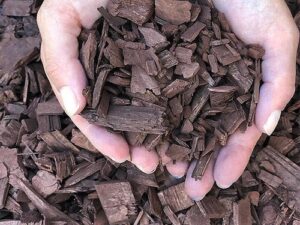
Particle size / chip dimensions: Typical length 10–50 mm, width 5–25 mm, thickness 2–12 mm; custom grading available.
-
Bulk density (loose): Typical 120–200 kg/m³; compacted/loaded density depends on packing method.
-
Ash content: Typical 0.5–1.5% (dry basis), species- and soil-contamination dependent.
-
Volatile matter & fixed carbon balance: Supplier QA report with proximate analysis available per lot.
-
Contaminants: <0.5% stones/metal/foreign matter; metal detection and removal protocols in place.
-
Packaging options: Bulk loose in open-top bulk wagons/trucks, bulk sealed in 20MT pallet-less loads for containers, jumbo bags (1–2 MT) for logistics-limited customers, and tailored packaging on contract.
-
Shelf life / storage guidance: Stable under covered, ventilated storage for 6–12 months; recommend protection from prolonged precipitation to maintain moisture spec.
-
Certifications & traceability: Sustainable forestry chain-of-custody documentation available (FSC/PEFC options where applicable), phytosanitary certificates, and lot-level test certificates.
-
Core Industrial Applications
-
Power generation and district heating: Direct combustion in industrial boilers and biomass power plants; delivers high, consistent thermal output and stable feed for continuous combustion systems.
-
Pulp & paper production: Raw material for chemical and mechanical pulping, improving fiber consistency and yield versus mixed-species feedstocks due to uniform fiber characteristics.
-
Biomass-to-biofuel and biochemical conversion: Feedstock for torrefaction, pelletization, enzymatic saccharification (beta-glucosidase workflows), and gasification. Uniform particle size and controlled moisture accelerate pretreatment and increase enzyme accessibility, improving conversion efficiency.
-
Composite materials and panelboard manufacturing: Used in MDF, particleboard, and molded fiber products where clean, uniform chips enhance product uniformity and reduce processing downtime.
-
Agricultural and horticultural uses: Substrate amendment, mulch, or compost feedstock where low ash and consistent sizing enable predictable decomposition rates.
Why it outperforms alternatives: -
Consistency: Plantation-grown Eucalyptus produces predictable fiber and energy characteristics compared with mixed-scrap or seasonal residues.
-
Process efficiency: Tight control of moisture and particle size reduces kiln/boiler start-up variability, lowers unplanned downtime, and improves chemical pulping yields.
-
Cost-effectiveness: High calorific value and low ash reduce per-MJ operational costs and maintenance (less slagging and fouling).
-
Competitive Advantages
-
Quality consistency: Rigorous incoming raw-wood sorting, controlled chipping, and lot-level proximate analysis ensure repeatable performance across shipments.
-
Supply reliability: Long-term plantation contracts and scalable milling capacity provide predictable volumes for industrial buyers and minimize spot-market exposure.
-
Logistics capability: Flexible loading (bulk truck, rail, containerized) with experienced export packing and moisture-control procedures to maximize container payloads and minimize transit moisture gain.
-
Price competitiveness: Economies of scale from dedicated supply chains and value-based pricing models for large-volume contracts.
-
Sustainability credentials: Plantation management and traceability, low indirect land-use impacts, and availability of FSC/PEFC documentation support corporate sustainability reporting and renewable energy claims.
-
Technical support & documentation: Delivery of complete QA/QC dossiers per lot (moisture, calorific value, ash, particle-size distribution), handling and storage guidance, and application consulting for boiler/pulp optimization.
-
Commercial & Supply Information
-
Minimum order quantity (MOQ): BULK 20 MT.
-
Typical container loading capacity: Up to 20 MT per 20-ft container (bulk sealed loading; subject to moisture and packing method).
-
Loading capacity (bulk): Standard 40-ft container bulk loads up to 25–28 MT with optimized compaction where allowed; truck bulk loads dependent on local axle limits (typical 20–30 MT per truck).
-
Lead times: Contract-dependent; standard lead time for bulk orders 4–8 weeks after PO confirmation, expedited schedules available by arrangement.
-
Payment & contract terms: Net and documentary options available; long-term supply contracts with indexed pricing and volume discounts recommended for strategic sourcing.

Reviews
There are no reviews yet.