
Description
1. Product Overview
Engineering Polymer Blends are precisely formulated combinations of polyamides, polycarbonates, polyesters, or PPE alloys, engineered to achieve property profiles unavailable in virgin polymers. Primary industrial use includes lightweight structural parts, high-heat connectors, and fluid-handling components requiring chemical resistance. The key value proposition is replacing more expensive engineering resins or metals while enhancing impact strength and dimensional stability. Strategically, these blends enable manufacturers to meet performance, cost, and sustainability targets simultaneously—critical in margin-sensitive industries.
2. Key Specifications & Technical Characteristics
-
Chemical composition: Customizable blends (e.g., PC/ABS, PA/PPE, PBT/PET) with impact modifiers and stabilizers
-
Purity level: Industrial grade; ≤0.1% moisture content as shipped
-
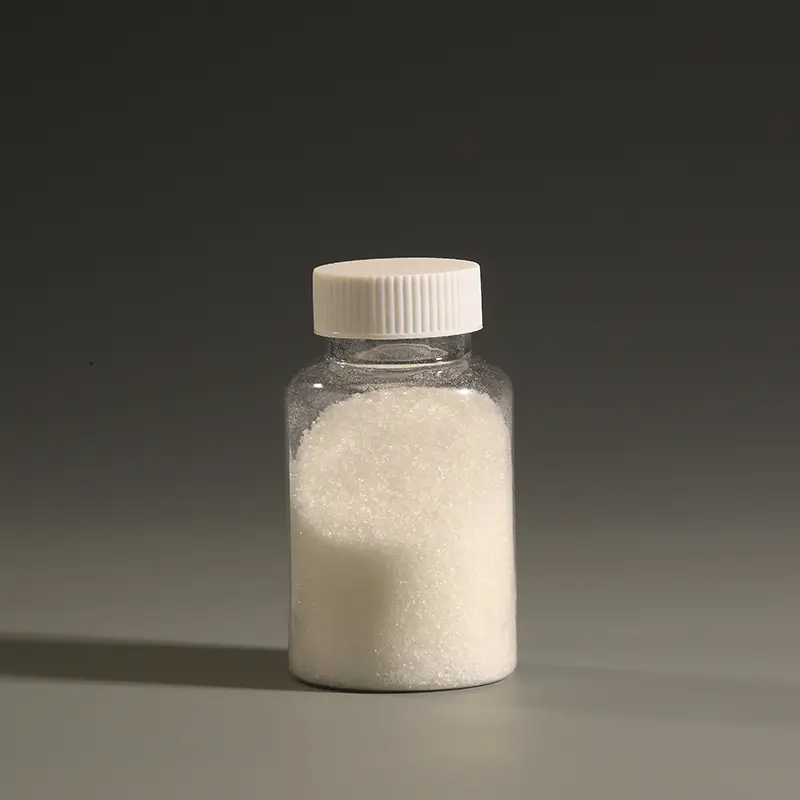
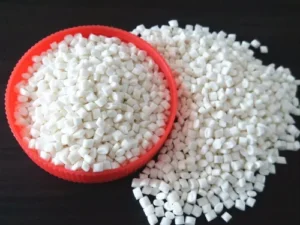
Physical characteristics: Pellets (2–4 mm cylindrical); natural or custom-colorable; density 1.05–1.35 g/cm³ depending on blend
-
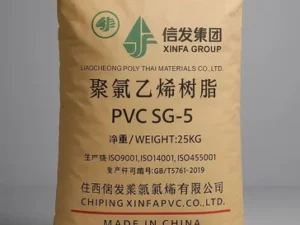
Packaging options: 25 kg moisture-barrier bags, 500 kg Octabins, or 1,000 kg FIBC totes
-
Shelf life: 12 months in original sealed packaging below 40°C
3. Core Industrial Applications
-
Automotive: Under-hood connectors, interior trim brackets, charge air duct ends – outperforms standard ABS or PC in heat deflection (HDT up to 130°C) and chemical resistance against oils.
-
Electrical/Electronics: Li-ion battery cell holders, circuit breaker housings – provides superior flame retardancy (UL94 V-0 options) and dielectric strength compared to neat PBT.
-
Industrial equipment: Pump impellers, gear housings – offers better wear resistance and hydrolysis resistance than standard nylon 6.
-
Cost advantage: Up to 30–40% lower cost per part versus PPS or PEEK, with comparable rigidity and creep resistance at moderate temperatures.
4. Competitive Advantages
-
Quality consistency: ISO 9001:2025-certified compounding; SPC-monitored MFI and mechanical property deviation below ±5% batch-to-batch.
-
Supply reliability: Dual-sourced raw materials and buffer stock maintained in three regional DCs (Asia, EU, NA); 98% on-time-in-full track record.
-
Logistics capability: Express 5-day dispatch for standard blends; 10-day for custom formulas.
-
Price competitiveness: Volume index pricing with quarterly adjustment caps; lower cost than major European and Japanese compounders for comparable formulations.
-
Sustainability: Up to 40% post-industrial recycled content available without mechanical property penalty; full REACH and RoHS declarations.
-
Technical support: Dedicated application engineers for injection molding process optimization; free flow simulation support for high-volume tools.
5. Commercial & Supply Information
-
Minimum order quantity (MOQ): BULK 20MT per grade per shipment
-
Loading capacity: 20 MT per 20-ft container (standard pellet density)
Reviews
There are no reviews yet.