
Description
1. Product Overview
EMC (Ethyl Methyl Carbonate), DMC (Dimethyl Carbonate), and DEC (Diethyl Carbonate) are high-purity organic carbonate solvents serving as the critical fluid medium for lithium-ion battery electrolytes. Primarily used in electric vehicle (EV) and energy storage system (ESS) battery manufacturing, these solvents enable superior lithium-ion transport efficiency and SEI (Solid Electrolyte Interphase) formation. Their strategic importance lies in directly determining cell cycle life, thermal stability, and high-voltage performance—making them non-negotiable inputs for the global electrification and renewable energy supply chain.
2. Key Specifications & Technical Characteristics
-
Chemical composition: EMC (C₄H₈O₃), DMC (C₃H₆O₃), DEC (C₅H₁₀O₃); battery-grade purity
-
Purity level: ≥99.95% (GC area normalization); moisture ≤20 ppm; free alcohol ≤50 ppm; HF ≤10 ppm
-
Physical characteristics: Transparent, colorless liquid; negligible suspended particles; density (20°C): EMC 1.01, DMC 1.07, DEC 0.98 g/cm³; boiling point: 107–126°C range
-
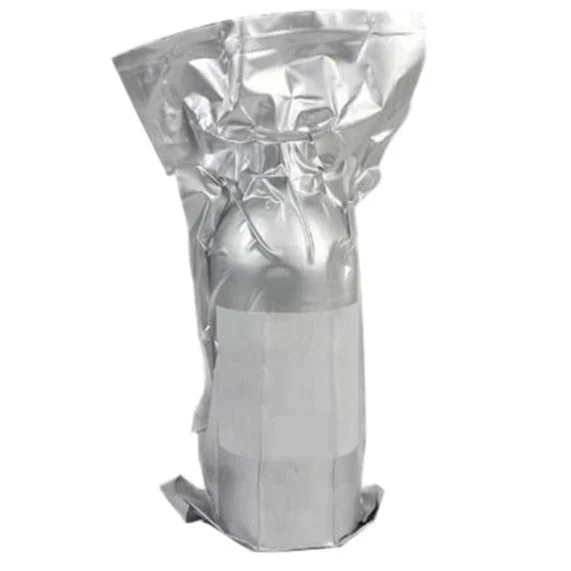
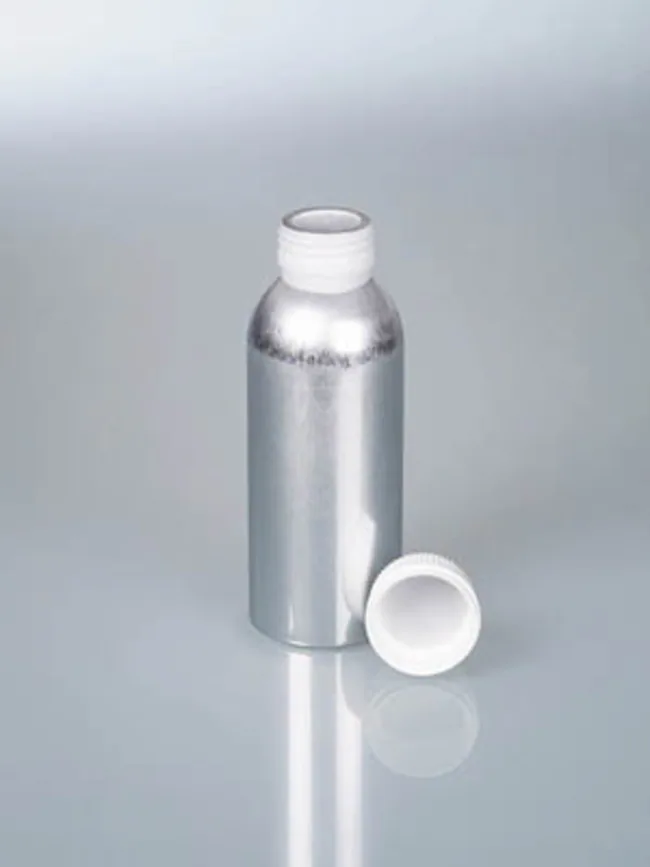
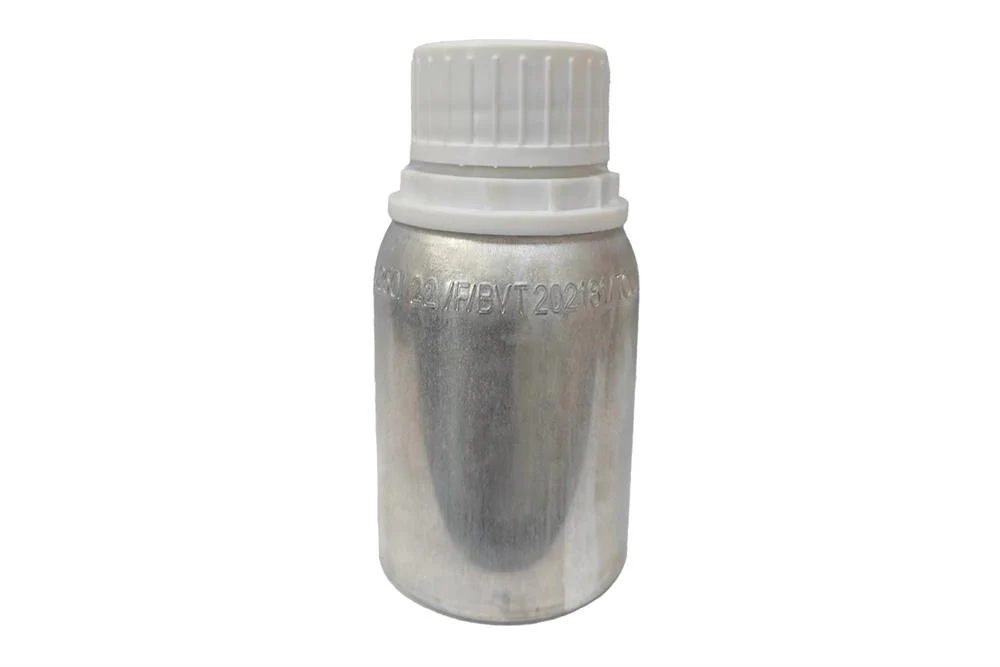
Packaging options: 200 L stainless steel drums, 1,000 L IBC totes, ISO tank containers (20–25 MT per tank)
-
Shelf life: 12 months from production date when stored under inert atmosphere (N₂) at 5–35°C in sealed, moisture-proof containers
3. Core Industrial Applications
-
Primary industries: EV lithium-ion battery manufacturing (NMC, LFP, LCO chemistries), ESS battery production, consumer electronics batteries
-
Operational use cases: Formulated with LiPF₆ salt to produce electrolyte solutions for cylindrical, prismatic, and pouch cells; enables high-voltage (≥4.4V) cathodes; low-temperature performance optimization
-
Performance advantage over alternatives: EMC provides superior viscosity vs. DEC for high-rate discharge; DMC offers highest dielectric constant for salt dissociation; blends achieve broader operating window (−20°C to 60°C) than PC or EC alone
-
Efficiency & cost advantages: Enables thinner SEI layers (reduced lithium inventory loss); extends cycle life by 15–20% vs. lower-purity solvents; reduces formation cost through faster wetting of separators
4. Competitive Advantages
-
Quality consistency: ISO 9001:2025 certified batch-to-batch traceability; SPC-controlled synthesis with real-time GC-MS monitoring; non-detectable transition metals (Fe, Ni, Cu <0.1 ppm)
-
Supply reliability: Dual-sourced raw material (propylene oxide and methanol) with 30+ days finished goods safety stock; 99.5% on-time-in-full (OTIF) rate over 8 consecutive quarters
-
Logistics capability: Dedicated hazmat (Class 3 flammable liquid) supply chain; temperature-controlled containers; door-to-door tracking with expedited customs brokerage for APAC, EU, and North America
-
Price competitiveness: Long-term contracts indexed to methanol pricing with volume-tiered discounts (2–5% below market average for ≥100 MT/month)
-
Sustainability: Mass balance approach; DMC produced via non-phosgene methanol carbonylation; waste solvent recovery program (up to 85% recyclate) available for off-take customers
-
Technical support: Full electrolyte formulation modeling (Thermo-Calc), onsite sampling & titration kits, and SDS/TDS library accessible via customer portal
5. Commercial & Supply Information
-
Minimum order quantity (MOQ): 20 MT (bulk – ISO tank or road tanker)
-
Loading capacity per container:
-
ISO tank container: 22–25 MT per 20-ft ISO (T11 or T14)
-
IBC tote: 20 MT = 20 x 1,000 L totes (palletized, 20-ft HC container)
-
Steel drums: 20 MT = 100 x 200 L drums (80 drums per 20-ft GP; requires partial container) – bulk MOQ waived for drum orders ≥16 MT
-
Reviews
There are no reviews yet.