
Description
1. Product Overview
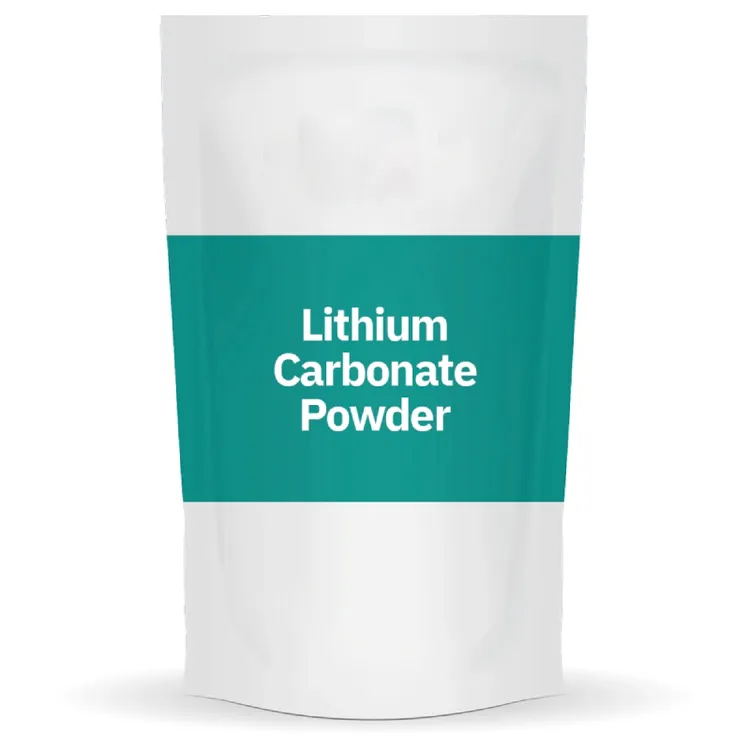
Lithium Carbonate (Battery Grade Li₂CO₃) is a high-purity inorganic compound essential for producing cathodes in lithium-ion batteries, specifically for Lithium Iron Phosphate (LFP) and Nickel Manganese Cobalt (NMC) chemistries. Its primary industrial use is as the critical lithium source for electric vehicle (EV) and grid storage battery manufacturing. The key value proposition is enabling high energy density, prolonged cycle life, and thermal stability in batteries, making it a strategically irreplaceable material in the global decarbonization and e-mobility supply chain.
2. Key Specifications & Technical Characteristics
-
Chemical composition: Li₂CO₃ (CAS 554-13-2)
-
Purity level: ≥99.5% (Battery Grade); impurity thresholds (e.g., Na, K, Ca, Mg, Fe) ≤100 ppm total
-
Physical characteristics: Fine white powder; D50 particle size: 5–10 µm; tap density: 1.1–1.3 g/cm³; specific surface area: 3–7 m²/g
-
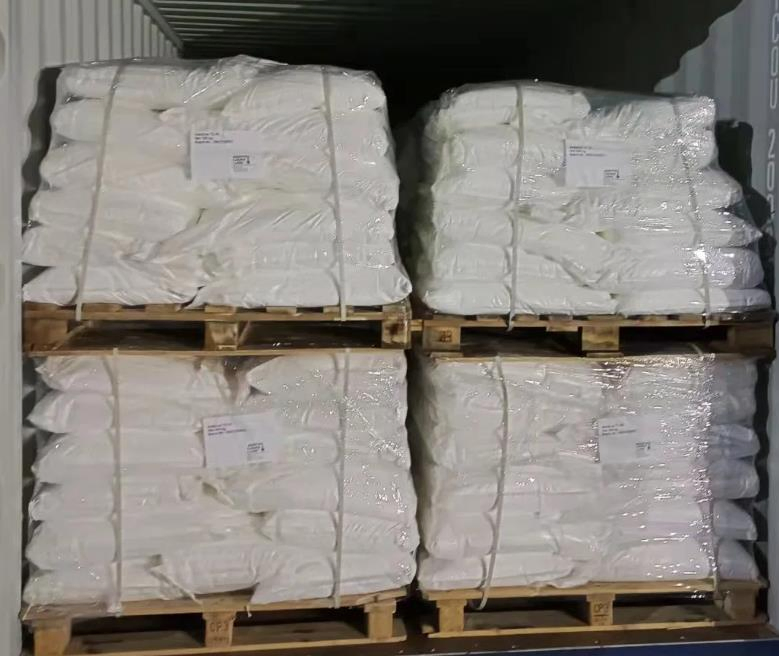
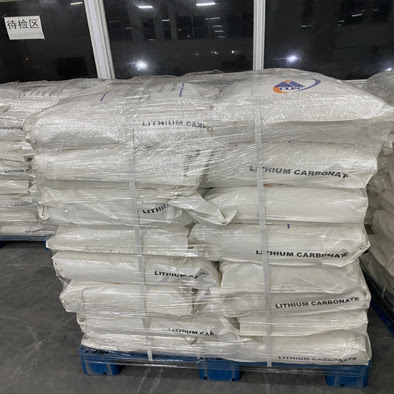
Packaging options: 25 kg multi-layer laminated bags (moisture-barrier); 500 kg to 1 MT flexible intermediate bulk containers (FIBC); bulk pressure differential tankers
-
Shelf life: 24 months in sealed, dry conditions (≤30% relative humidity, ambient temperature)
3. Core Industrial Applications
-
Primary industries: EV battery manufacturing (LFP cathodes), consumer electronics batteries, grid-scale energy storage systems.
-
Operational use cases: Direct precursor for LFP cathode active material; blending with nickel/manganese precursors for NMC cathodes; electrolyte additive for high-voltage cells.
-
Performance advantage vs. alternatives: Compared to technical-grade Li₂CO₃, battery grade ensures 30% lower gas evolution during forming, 500+ additional charge cycles, and fewer cell rejects. Lower magnetic impurities (<100 ppb Fe, Zn, Cr) directly reduce self-discharge and short-circuit risks.
-
Efficiency/cost advantage: Optimized particle morphology reduces milling energy by 15% at cathode plants; consistent stoichiometry minimizes costly batch rework.
4. Competitive Advantages
-
Quality consistency: ISO 9001:2025 certified with SPC-controlled batch traceability; each lot includes ICP-OES and XRD reports.
-
Supply reliability: Dedicated spodumene or brine feedstock with 3-month rolling forecast commitments; buffer inventory in Rotterdam, Singapore, and Houston.
-
Logistics capability: UN-certified hazardous material logistics; temperature/humidity-controlled containers with real-time IoT monitoring.
-
Price competitiveness: Long-term contract pricing (6-, 12-month) indexed to Fastmarkets/LiOH benchmark with fuel surcharge caps.
-
Sustainability: Carbon footprint <6 kg CO₂e/kg (well-to-gate); 20% recycled water in processing; full conflict-mineral-free certification.
-
Technical support: In-house cathode validation lab; free first batch pre-blending trial; MSDS, TDS, and REACH/UKCA/K-REACH dossiers included.
5. Commercial & Supply Information
-
Minimum order quantity (MOQ): 20 metric tons (one full palletized load)
-
Bulk loading capacity: 20–22 MT per standard 20-foot dry container (FIBC); 24–26 MT per 40-foot high-cube container (pallets)
-
Lead time: 15 days ex-warehouse (regional hubs); 45 days FOB loading port (direct from production)

Reviews
There are no reviews yet.