
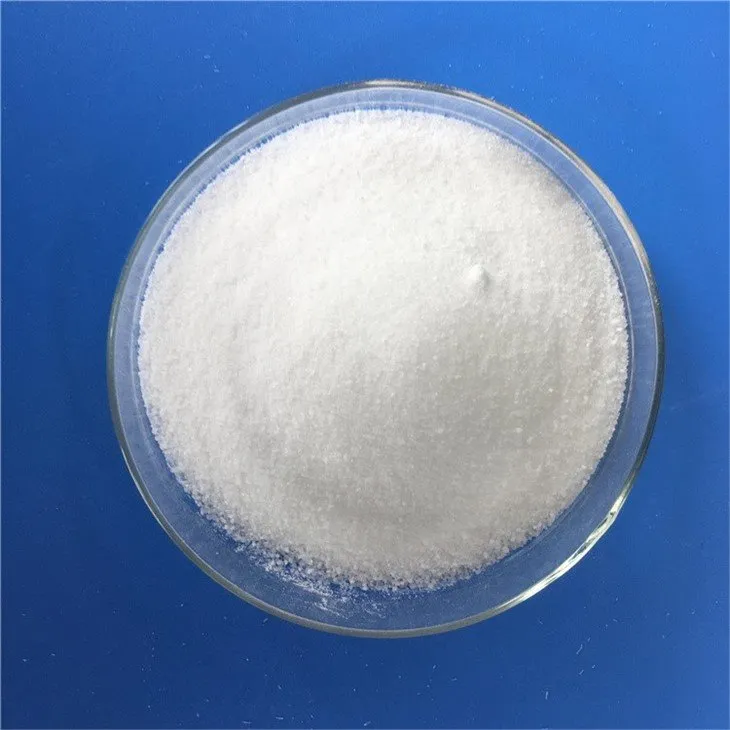
Description
-
Product Overview
Disodium Phosphate (E339) is a high-purity inorganic phosphate salt widely used as a buffering agent, emulsifier, and sequestrant in industrial processes. Primarily deployed across water treatment, detergents, ceramics, food-processing (industrial ingredient), and chemical manufacturing, it stabilizes pH, controls metal ions, and improves processing consistency. The product delivers dependable chemical performance, tight specification control, and cost-efficient handling for scale operations. For strategic purchasers, it reduces process variability, simplifies inventory management, and supports consistent end-product quality across large production runs.
-
Key Specifications & Technical Characteristics
-
Chemical name: Disodium hydrogen phosphate (Na2HPO4), commonly supplied as the anhydrous or dihydrate form depending on order.
-
E-number: E339 (when used as a food-processing agent; regulatory status provided on request).
-
Typical assay (purity): 98.0–99.5% Na2HPO4 (specification batch certificates available).
-
Impurities: Controlled limits for heavy metals (Pb, As, Cd, Hg), chloride, sulfate; exact limits provided in COA.
-
Physical form: White crystalline powder or granules.
-
Typical particle size: Customizable; standard 150–500 µm for bulk handling; fine grades available for specialty applications.
-
Bulk density: Approximately 0.9–1.1 g/cm³ (pack-dependent).
-
Solubility: Highly soluble in water; solutions are mildly alkaline.
-
pH (1% aqueous): ~8.5–9.5 (depends on hydration state).
-
Moisture content: Specified per grade (anhydrous <1.0%; dihydrate per spec).
-
Packaging options: 25 kg multiwall paper sacks with PE liner, 500 kg FIBCs (bulk bags), and 20 MT bulk shipment (loose or containerized).
-
Storage & shelf life: Store in a cool, dry, ventilated area; typical shelf life 24 months when kept sealed and dry.
-
Documentation: Certificate of Analysis (COA), Safety Data Sheet (SDS), and material specification provided with shipment.
-
Core Industrial Applications
-
Water Treatment: Acts as a sequestrant and pH buffer in boiler water and cooling systems to control scale and corrosion. Use case: continuous feed to stabilize alkalinity and improve inhibitor performance. Outperforms untreated alternatives by delivering predictable buffering capacity and lower dosing variability.
-
Detergents and Cleaners: Functions as a builder and metal chelator to enhance surfactant efficiency. Use case: formulated into powder and liquid detergents for improved washing performance and reduced spotting. Provides cost-effective active concentration vs. specialty chelants.
-
Food Processing (industrial ingredient): Used where permitted as an acidity regulator/emulsifier in large-scale food manufacturing. Use case: standardization of pH in processed cheese, meat emulsions, and confectionery—ensures consistent texture and shelf performance. Regulatory-grade batches and documentation provided for compliant supply.
-
Ceramics and Metal Treatment: Employed as a dispersant and processing aid in ceramic slurries and metal finishing. Use case: improves particle dispersion, reduces defects, and enables tighter process control. Offers better solubility and reproducibility than some organic dispersants.
-
Chemical Manufacturing and Laboratories: Serves as a raw material for phosphate derivatives, buffering systems, and reagent formulations. Use case: bulk feedstock for downstream synthesis and buffer preparation; consistent assay reduces rework and waste.
-
Competitive Advantages
-
Quality consistency: Tight in-house QC and lot-to-lot uniformity with batch COAs to support regulated and industrial uses.
-
Supply reliability: Industrial-scale production capacity with scheduled booking, safety stock, and contingency sourcing to minimize disruption for large buyers.
-
Logistics capability: Flexible packaging (25 kg sacks, 500 kg FIBC, bulk 20 MT) and optimized loading configurations for full-container shipments; export compliance and documentation support.
-
Price competitiveness: Volume-based pricing and contractual agreements for long-term buyers reduce total cost of ownership.
-
Sustainability: Efficient production processes and options for lower-impurity routes reduce waste; packaging options available with recyclable materials on request.
-
Technical support: Application guidance, formulation advice, COA/SDS delivery, and traceability documentation provided to support qualification and regulatory needs.
-
Commercial & Supply Information
-
Minimum order quantity (MOQ): BULK 20 MT.
-
Loading capacity (MT per container): Standard 20-foot container up to 20 MT (bagged/bulk), 40-foot container up to 24–25 MT depending on packaging and stowage; for FIBC and palletized loads confirm with logistics team for exact capacity.

Reviews
There are no reviews yet.