
Description
1. Product Overview
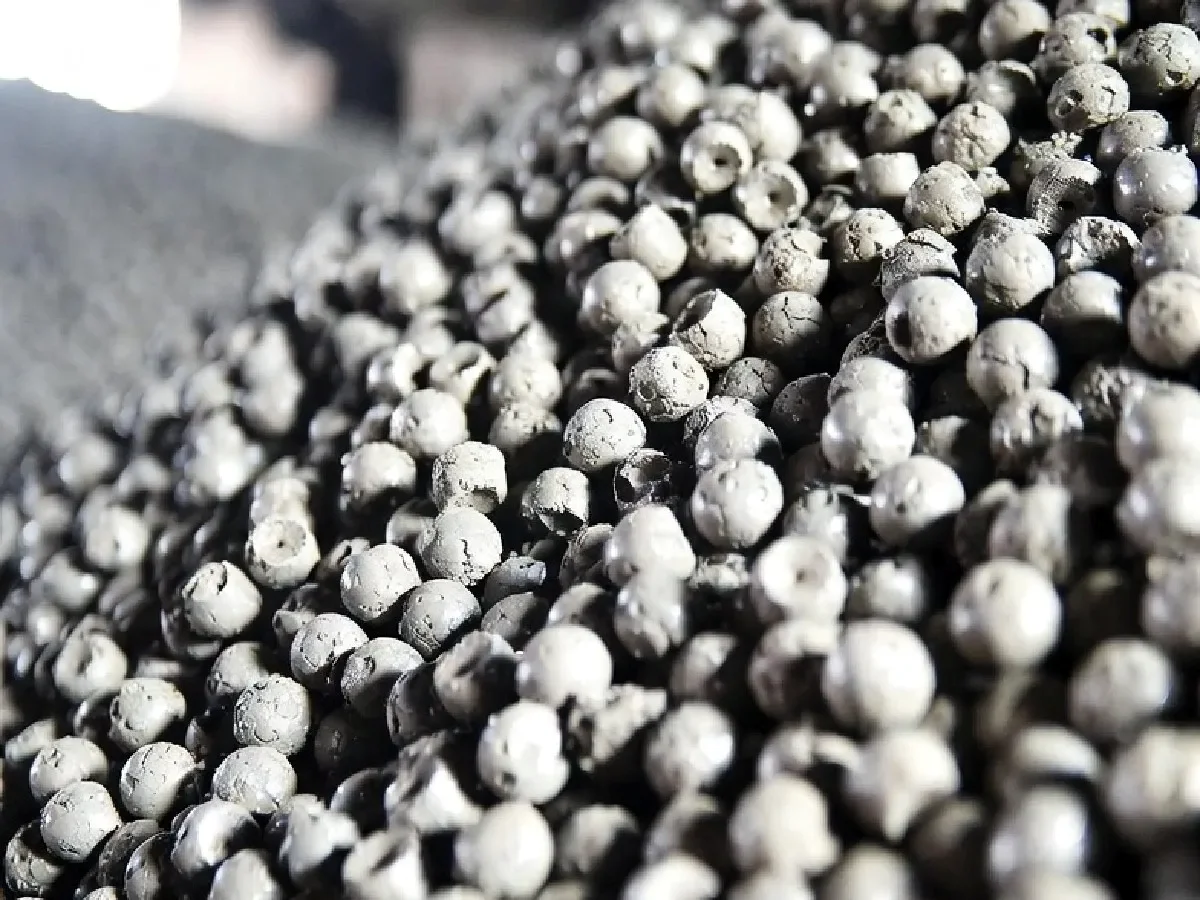
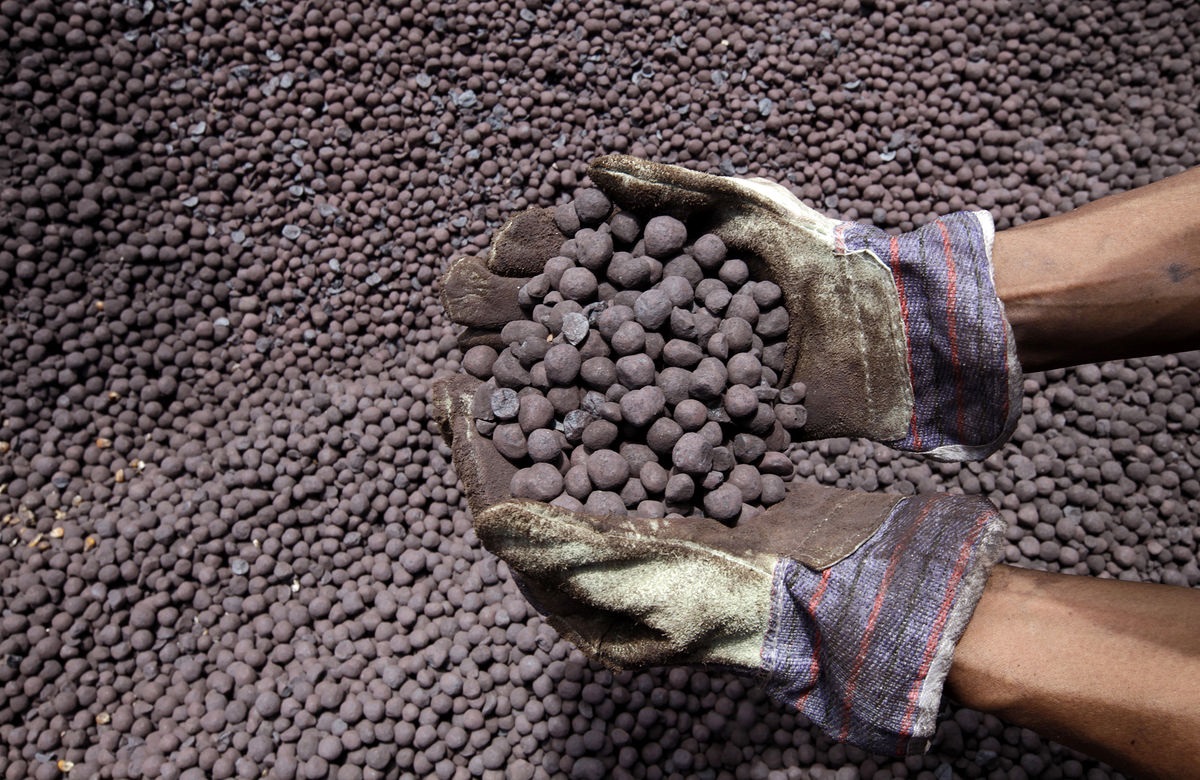
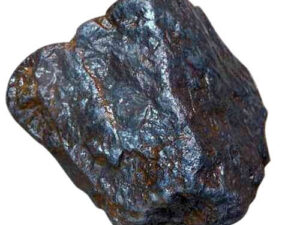
Direct Reduced Iron (DRI) pellets are a high-purity, solid-state metallic iron feedstock produced through the reduction of iron ore without melting, offering a superior alternative to scrap and pig iron in electric arc furnace (EAF) steelmaking. Primary industrial use is as a premium charge material for EAFs, blast furnaces, and basic oxygen furnaces to dilute residual elements, increase steel yield, and enable production of advanced high-strength steel grades. The key value proposition is consistent chemistry with low gangue, minimized tramp elements, and a stable metallization rate, which reduces energy consumption, shortens tap-to-tap times, and increases overall melt shop productivity. Strategically, DRI is critical for decarbonizing the steel industry, enabling low-CO₂ steel production when paired with green hydrogen, and mitigating scrap volatility in global markets.
2. Key Specifications & Technical Characteristics
-
Chemical Composition (typical, wt%):
-
Total Iron (Fe total): 90–94%
-
Metallic Iron (Fe metallic): 82–88%
-
Metallization Degree: ≥ 92%
-
Carbon (C): 1.5–2.5% (controlled for EAF foaming slag practice)
-
Gangue (SiO₂ + Al₂O₃): ≤ 4%
-
Phosphorus (P): ≤ 0.020%
-
Sulfur (S): ≤ 0.008%
-
Residual elements (Cu, Cr, Ni, Mo): < 0.1% each
-
-
Physical Characteristics:
-
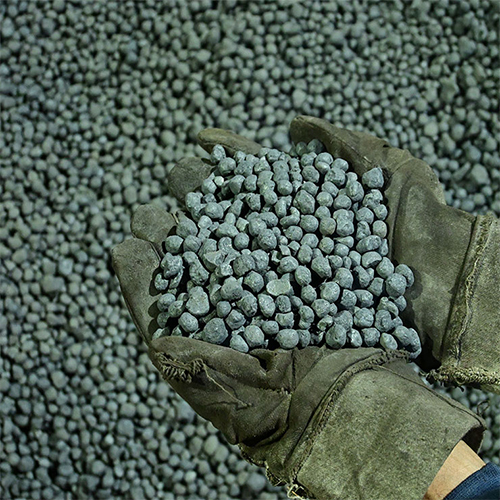
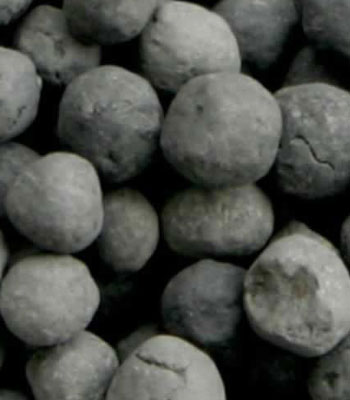
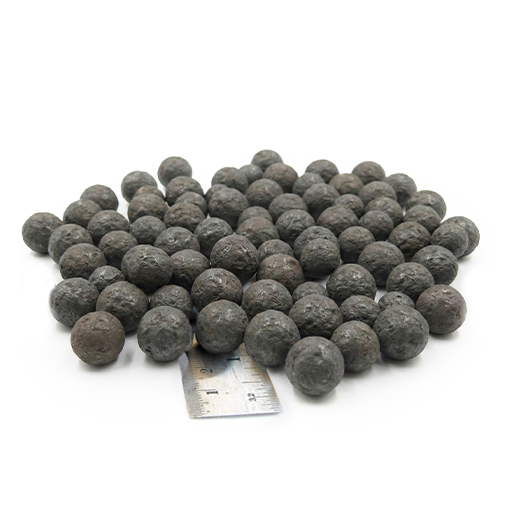
Form: Irregular spherical pellets
-
Color: Dark grey to black metallic luster
-
Pellet size range: 6 – 18 mm ( >90% within range)
-
Bulk density: 1.6 – 1.9 t/m³
-
Apparent density: 3.4 – 3.8 g/cm³
-
Cold crushing strength: ≥ 350 kg/pellet
-
Moisture content (as shipped): < 1.5%
-
-
Packaging Options:
-
Bulk open-top containers (20–25 MT per container)
-
Shrink-wrapped flat racks
-
Covered hopper barges / vessels for bulk ocean shipment
-
Anti-dust coating optional upon request
-
-
Shelf Life (in dry, covered storage):
-
Up to 3 months for standard grade
-
Up to 6 months with passivation treatment (reduced reoxidation risk)
-
Note: Exposure to moisture or salt-laden air accelerates reoxidation and heat generation – requires controlled logistics.
-
3. Core Industrial Applications
-
Primary Industry: Electric Arc Furnace (EAF) steelmaking – minimills and integrated mills with DRI shaft furnace linkages.
-
Specific Use Cases:
-
Dilution of copper, tin, and zinc in scrap-based EAF feeds to produce high-grade flat steel (automotive, electrical steel).
-
Residual-free furnace charge for wire rod, rope-grade, and bearing steel production.
-
Foamy slag practice – carbon content in DRI generates CO bubbles, improving arc stability and refractory life.
-
Direct blast furnace injection (less common, but growing) to reduce coke consumption.
-
-
Why DRI outperforms alternatives:
-
vs. Scrap: No tramp element accumulation; consistent chemistry batch-to-batch; higher bulk density.
-
vs. Pig iron: Lower energy to melt (no carburization step required); no molten handling hazards; lower sulfur.
-
vs. HBI (Hot Briquetted Iron): Faster melting kinetics due to higher porosity; lower cost per Fe unit in many regions.
-
-
Efficiency/Cost Advantages:
-
Reduces tap-to-tap time by 8–12% compared to scrap-only charges.
-
Lowers electrical energy consumption by 50–70 kWh per tonne of liquid steel.
-
Increases metallic yield by 3–5% due to minimal oxidation losses.
-
4. Competitive Advantages
-
Quality Consistency: Sourced from vertically integrated DRI modules with ISO 9001:2024 certified process control. Every shipment includes a certified mill analysis and metallization report.
-
Supply Reliability: Long-term off-take agreements with multiple DR-grade pellet suppliers (Brazil, MENA, CIS). Buffer inventory warehoused at Rotterdam, Houston, and Singapore hubs.
-
Logistics Capability: Dedicated weather-protected container liners and coated vessels minimize moisture ingress. Real-time GPS tracking and temperature monitoring for reoxidation risk management.
-
Price Competitiveness: Direct mill-to-buyer contracting removes trader markups. Index-linked pricing to Platts DRI/HBI FOB or fixed quarterly bids available.
-
Sustainability: When paired with green H₂ reduction, this DRI achieves < 300 kg CO₂ per tonne of steel – compliant with EU CBAM and Science Based Targets initiative (SBTi). Mass-balance certified low-carbon product available.
-
Technical Support: Free melt optimization model – our metallurgists will simulate your charge mix, carbon adjustment, and slag regime prior to first shipment. Full SDS, handling procedures, and safety training video library included.
5. Commercial & Supply Information
-
Minimum Order Quantity (MOQ):
20 metric tons (MT) – one bulk container equivalent, suitable for trials and alloy steel batches. -
Loading Capacity per Container:
-
Standard 20-ft open-top container: 20–22 MT
-
Standard 40-ft flat rack: 25 MT
-
Bulk vessel (handysize): 5,000 – 15,000 MT per shipment
-
-
Lead Time (ex-works or FOB port):
-
Container lots (20–25 MT): 5–7 working days
-
Full vessel lots: 20–30 days upon L/C confirmation
-
-
Incoterms 2024 offered: FOB, CFR, CIF (selected ports only), EXW
-
Payment terms: L/C at sight for first order; open account for qualified buyers after 3 shipments or audited financials.
Reviews
There are no reviews yet.