
Description
-
Product Overview
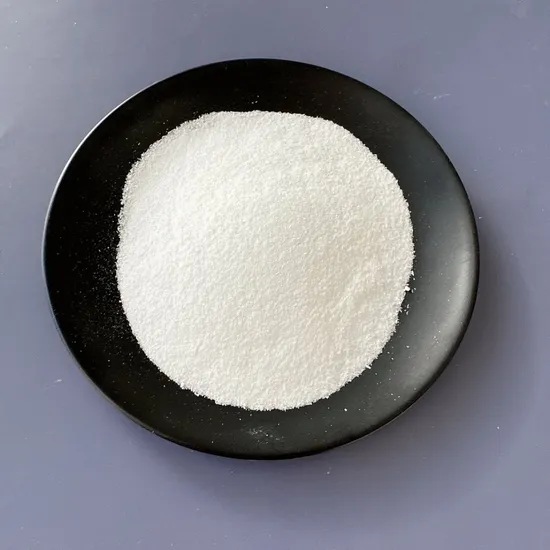
Dextrose Monohydrate is a crystalline form of glucose (C6H12O6·H2O) produced to industrial-grade specifications for bulk processing and formulation. It serves as a primary carbohydrate source across food ingredients, fermentation feedstocks, pharmaceutical excipients, and chemical synthesis pathways. The product delivers high-purity, consistent performance that improves process yields, reduces variability, and simplifies inventory management for large-scale operations. Strategically, reliable supply of dextrose monohydrate mitigates input-risk for manufacturers that depend on predictable fermentative performance, sweetening profiles, or precise formulation weights.
-
Key Specifications & Technical Characteristics
-
Chemical composition: Glucose monohydrate (C6H12O6·H2O).
-
Purity/grade: Industrial/Food/Pharma grades available — typical assay ≥ 99.0% (specify grade on contract).
-
Moisture content: Controlled to specification for target grade (typical range 9–11% for monohydrate).
-
Form: Free-flowing crystalline powder.
-
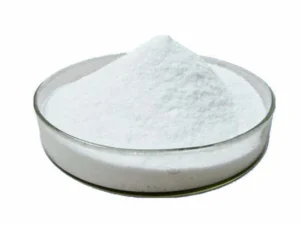
Color/appearance: White to off-white crystals.
-
Particle size: Standard granular/crystalline distribution suitable for bulk handling; custom sieving available on request.
-
Bulk density: Typical loose bulk density 600–700 kg/m³ (dependent on packing and particle size).
-
Solubility: Highly soluble in water, rapid dissolution profile for process applications.
-
pH (aqueous solution): Approximately neutral (grade-dependent).
-
Packing options: 25 kg multi-layer kraft bags with PE liner, 500 kg–1,000 kg FIBCs (bulk bags), and ISO tank or dedicated bulk hopper arrangements for liquid-glucose conversions where applicable.
-
Shelf life: 24 months when stored in a cool, dry environment in original sealed packaging; subject to grade and storage conditions.
-
Regulatory compliance: Manufactured under GMP-compatible processes for designated grades; documentation (COA, SDS, specification sheet) provided with every shipment.
-
Core Industrial Applications
-
Food & Beverage: Used as a sweetener, fermentation sugar, humectant, and texturizer in confectionery, dairy, beverages, and bakery systems; delivers predictable sweetness and consistent batching behaviour compared with syrup-only feedstocks.
-
Fermentation & Biotechnology: Preferred fermentable carbon source for industrial yeast and microbial processes (ethanol, organic acids, enzymes, probiotics); offers rapid uptake and consistent conversion yields versus heterogeneous carbohydrate blends.
-
Pharmaceutical & Nutraceuticals: Excipient for tablets, syrups, and parenterals where defined crystalline glucose and controlled moisture profile are required; supports accurate dosing and stability.
-
Chemical Manufacturing: Intermediate in reductive chemistry and specialty chemical syntheses where a high-purity monosaccharide input reduces side reactions and simplifies downstream purification.
-
Animal Feed & Agriculture: Carbohydrate supplement in feed formulations and microbial inoculants to enhance fermentation-based silage or probiotic delivery.
Why it performs better: High assay purity, controlled moisture and particle profile reduce lot-to-lot variability, improve solubility and dosing accuracy, and increase process yields compared with impure or syrup-based alternatives. This translates into lower rework, reduced waste, and more predictable cycle times.
-
Competitive Advantages
-
Quality consistency: Tight in-spec manufacturing and lot-level Certificate of Analysis (COA) ensure predictable physicochemical properties for continuous production runs.
-
Supply reliability: Structured production capacity and contract allocation mitigate single-source risk; scalable volume commitments for bulk industrial customers.
-
Logistics capability: Multiple packaging formats and container loading expertise (FIBC, palletized bags, bulk) to optimize freight cost and reduce handling times.
-
Price competitiveness: Bulk pricing tiers and long-term contract options reduce per-ton costs for high-volume buyers.
-
Sustainability: Manufacturing processes designed to minimize waste; options for low-carbon logistics and traceable sourcing available on request.
-
Technical support: Comprehensive documentation (COA, SDS, technical datasheet) and application support from product specialists to assist with formulation, handling, and regulatory queries.
-
Commercial & Supply Information
-
Minimum order quantity (MOQ): BULK 20 MT.
-
Loading capacity (per container): Typical loading capacities — 20 ft container: up to 18–20 MT (bagged, palletized depending on packaging); 40 ft container: up to 24–26 MT (optimised pallet/bag arrangement); ISO/flat-rack/FIBC configurations available for higher density packing and project shipments.
-
Lead times, payment terms, and Incoterms: Available on request and negotiable per contract; export documentation and COA included with shipment.

Reviews
There are no reviews yet.