
Description
-
Product Overview
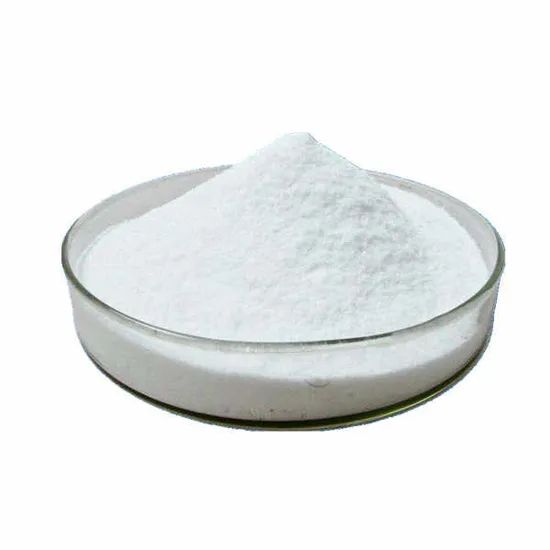
Acesulfame K (E950) is a high-intensity, non-nutritive sweetener for industrial food and beverage applications. It delivers stable sweetness at low inclusion rates, enabling formulation cost savings and calorie reduction without compromising flavor stability under heat and storage. Strategically, Acesulfame K is a critical ingredient for manufacturers pursuing sugar-reduction, clean-label positioning (when combined with other sweeteners), and regulatory-compliant formulations across global markets. Its consistent performance and long shelf life make it a reliable component for scale manufacturing, private-label production, and large-volume co-manufacturing contracts. -
Key Specifications & Technical Characteristics
-
Chemical composition: Potassium salt of 6-methyl-1,2,3-oxathiazin-4(3H)-one-2,2-dioxide (acesulfame potassium).
-
CAS number: 55589-62-3.
-
Purity/grade: Food-grade USP/EP standard; typical purity ≥ 99.0% (specify batch certificate values).
-
Assay: ≥ 99.0% (typical), compliant with relevant pharmacopeial limits.
-
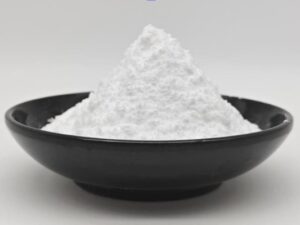
Appearance: White crystalline powder.
-
Particle size: Typical D50 in the range 50–150 µm (custom milling available on request).
-
Bulk density: ~0.6–0.8 g/mL (packed bulk density depends on packaging).
-
Solubility: Highly soluble in water; limited solubility in organic solvents.
-
pH (1% aqueous solution): Approximately 5–7.
-
Melting point/decomposition: Decomposes at elevated temperatures (stable under typical processing up to common thermal profiles for beverages and baked goods when used in blends).
-
Residual solvents and heavy metals: Conforms to EU and Codex Alimentarius limits; batch certificates and analytical reports provided.
-
Microbiological specification: Total plate count, yeast & mold limits per industry standards (certificate of analysis provided).
-
Packaging options: 25 kg paper-lined kraft bags, 500 kg FIBC (big bag), 20 MT palletized bulk (flexible IBC arrangements available), or ISO-tank for compatible liquid blends.
-
Shelf life: 36 months when stored in a cool, dry place in original unopened packaging; recommend storage below 30°C and relative humidity <65%.
-
Documentation: Certificate of Analysis (CoA), Safety Data Sheet (SDS), Certificate of Origin, and regulatory compliance statements available on request.
-
Core Industrial Applications
-
Food & Beverage manufacturing: Sweetening for carbonated and non-carbonated drinks, flavored waters, powdered drink mixes, tabletop sweeteners, confectionery, and dairy analogues. Used either alone in low-calorie formulations or synergistically with aspartame, sucralose, or stevia to achieve rounded sweetness and cost-effective profiles.
-
Bakery & Confectionery: Applied in formulations where thermal stability and sugar-reduction are required; commonly used in sweetener blends to maintain sweetness profile in baked goods.
-
Pharmaceutical & Nutraceutical: Used in syrups, chewables, and oral formulations to mask bitterness and improve palatability without adding calories.
-
Personal Care & Household Products: Sweetening for toothpaste, mouthwash, and certain cosmetic formulations where non-caloric sweetness is required.
Why it outperforms alternatives: -
High potency (approx. 200x sucrose) lowers required dose and reduces logistics and storage costs per sweetness-equivalent.
-
Excellent stability under a wide pH range and in heat-processing when used appropriately or blended, reducing degradation risks that affect taste.
-
Neutral aftertaste when formulated properly with complementary sweeteners, improving consumer acceptance versus some single-agent alternatives.
Commercial relevance: -
Enables formulators to reduce sugar content and caloric density while managing formulation cost, shelf-life, and sensory profiles—key drivers in regulatory and consumer-driven sugar-reduction initiatives.
-
Competitive Advantages
-
Quality consistency: Manufactured to tight quality controls with CoA for each batch, enabling predictable blend performance and minimal rework.
-
Supply reliability: Bulk production capacity and diversified raw material sourcing reduce interruption risk; strategic inventory for contract customers.
-
Logistics capability: Flexible packaging and palletization for efficient break-bulk or full-container shipments; export-ready documentation and container-loading optimization (20 MT per 20’ container typical for palletized bulk).
-
Price competitiveness: Economies of scale in bulk supply and competitive pricing structures for annual contracts and volume commitments.
-
Sustainability: Options for lower-carbon logistics and packaging optimization on large contracts; supplier due-diligence and traceability programs available.
-
Technical support: Application guidance, blending recommendations, stability data, and on-request analytical method transfer to customer QC labs.
-
Regulatory support: Documentation for compliance with EU, US FDA, Codex, and other regional regulations; assistance with label declarations and usage limits.
-
Commercial & Supply Information
-
Minimum order quantity (MOQ): BULK 20 MT.
-
Loading capacity: Typical loading 20 MT per 20-foot container for palletized bulk; up to 22–24 MT achievable with optimized packing depending on packaging type and container specifications.
-
Lead times: Standard lead time dependent on order size and stock status; expedited handling available for contracted customers (confirm at order).
-
Shipping terms: FOB, CIF, EXW available; export documentation included as per Incoterm selection.
-
Payment & contract options: Long-term supply agreements, spot purchase pricing, and volume discounts available upon negotiation.
Reviews
There are no reviews yet.