
Description
-
Product Overview
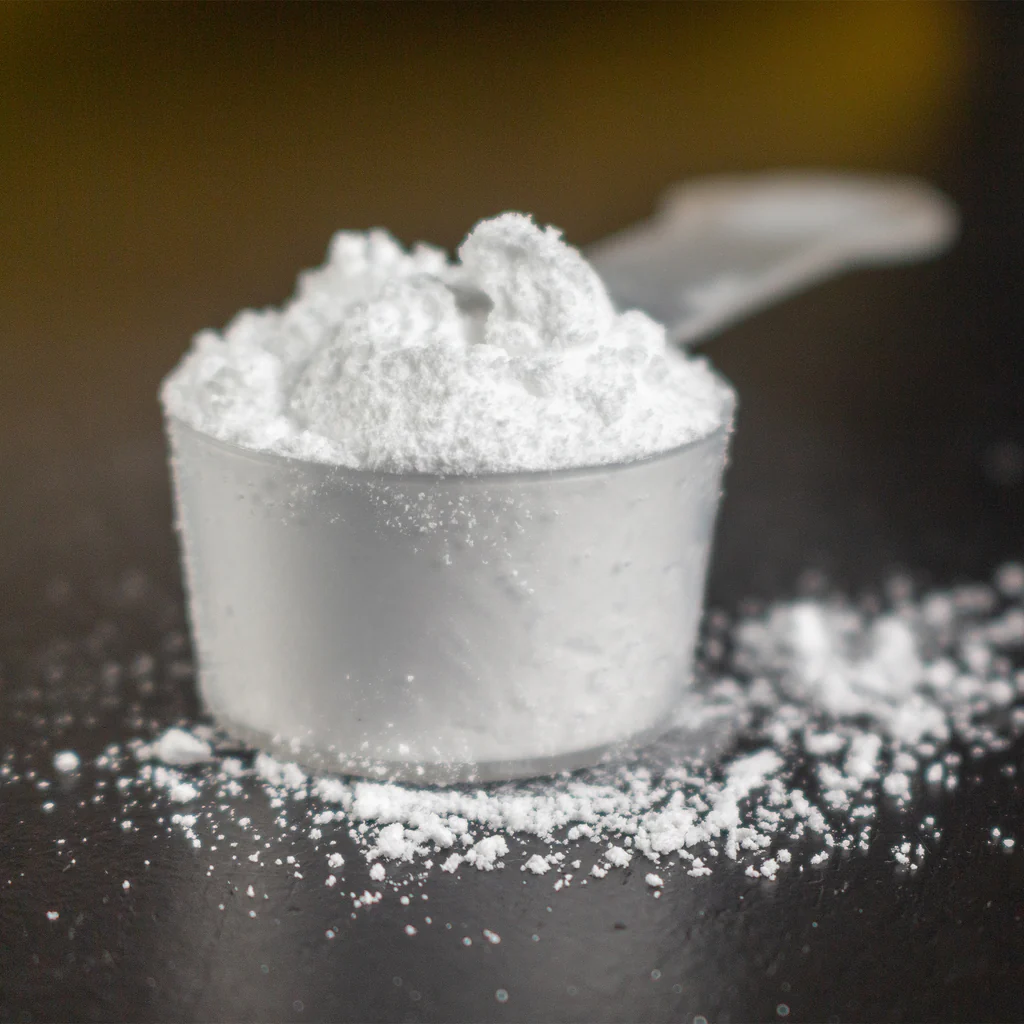
Creatine Monohydrate is a high-purity amino acid derivative supplied as a white crystalline powder, manufactured to industrial specifications for use in food ingredient, feed, pharmaceutical intermediate, and specialty chemical applications. Its primary industrial use is as a performance-enhancing nutritional ingredient and a biochemical building block where reliable creatine monohydrate quality and traceability are essential. The product delivers consistent composition and particle characteristics that enable predictable formulation, dosing accuracy, and downstream processing efficiency. Strategically, it addresses growing global demand from supplement manufacturers, animal nutrition formulators, and specialty chemical producers who require scalable, cost-effective, and compliant raw material sourcing.
-
Key Specifications & Technical Characteristics
-
Chemical composition: Creatine monohydrate (IUPAC: N-(aminoiminomethyl)-N-methylglycine monohydrate).
-
Assay / purity: Typical purity ≥ 99.5% (w/w) (GC/ HPLC validated).
-
Impurities: Creatinine ≤ 0.5% (reported), heavy metals within regulatory limits (Pb, Cd, Hg, As ≤ specified ppm).
-
Moisture content: ≤ 1.5% (by Karl Fischer or loss on drying).
-
Physical form: Free-flowing crystalline powder.
-
Color and odor: White to off-white, virtually odorless.
-
Particle size distribution: D90 typically 150–300 µm (adjustable on request for granulation or encapsulation).
-
Bulk density: 0.45–0.65 g/cm³ (tapped bulk density reported).
-
Solubility: Moderately soluble in water at ambient temperature, improved with warm water.
-
pH (10% w/v aqueous solution): typically 6.5–7.5.
-
Microbiological: Total plate count and yeast/mold limits per industrial food/ feed grade; absence of pathogens (Salmonella, E. coli).
-
Packaging options: 25 kg multi-ply kraft bags with PE liner; 500 kg–1,000 kg FIBC (food-grade); ISO tank or boxed containerized solutions for specially formulated slurries (on request).
-
Shelf life: 24 months when stored in original sealed packaging, dry conditions (≤ 25 °C, RH ≤ 60%).
-
Certifications available: GMP, ISO 9001, HACCP, Kosher/Halal certification options (subject to audit).
-
Core Industrial Applications
-
Dietary supplements and sports nutrition: Primary use as an active ingredient in powdered blends, tablets, and capsules to improve formulation potency and ensure consistent dosing. Performs better than lower-grade alternatives due to higher assay, lower creatinine, and controlled particle size, which reduces variability in mixing and encapsulation losses.
-
Food fortification and nutraceuticals: Used in functional foods and beverages where stability and taste profile matter; crystalline form supports predictable solubility and dispersion.
-
Animal feed additives: Employed in aquaculture and livestock nutrition to enhance growth and feed-conversion efficiency; industrial-grade specifications allow safe inclusion rates and cost-effective bulk dosing.
-
Pharmaceutical intermediates and research reagents: Serves as a raw material for Rx/OTC formulations and biochemical research; high purity and traceability meet regulatory and analytical needs.
-
Specialty chemical synthesis: Uses as a building block where creatine’s chemical functionality is leveraged in downstream synthesis steps; predictable impurity profile reduces downstream purification burden.
-
Competitive Advantages
-
Quality consistency: Tight in-process controls and batch-to-batch assay reproducibility reduce formulation risk and QC burden for buyers.
-
Supply reliability: Sourced via vertically integrated manufacturing and secured feedstock contracts to support continuous supply for large-scale contracts.
-
Logistics capability: Configured packaging (FIBC, pallets) and loading plans support efficient containerization and reduced handling losses; export-ready documentation (COA, MSDS, export packing list) provided per shipment.
-
Price competitiveness: Economies of scale in bulk production and optimized logistics yield competitive CIF/FOB pricing at scale for industrial buyers.
-
Sustainability: Manufacturing processes optimized for solvent minimization and energy efficiency; ability to provide supplier sustainability data on request for corporate procurement screening.
-
Technical support: Detailed certificates of analysis, stability data, and formulation guidance available; sample QC support and custom particle-size or moisture specifications offered under commercial agreement.
-
Commercial & Supply Information
-
Minimum order quantity (MOQ): BULK 20 MT.
-
Loading capacity (MT per container): 20 MT per standard 20-foot container (bagged/palletized FIBC configuration); up to 22–24 MT achievable in 40-foot container configurations depending on packing method and density.
Reviews
There are no reviews yet.