
Description
-
Product Overview
Zinc Sulfate is a water-soluble inorganic zinc salt supplied as a high-purity industrial-grade chemical for use across agricultural, chemical manufacturing, water treatment, and feed markets. It functions primarily as a reliable zinc source for micronutrient supplementation, catalyst/precursor feedstock, and corrosion-control formulations. The product delivers consistent bioavailability and predictable process behavior, enabling formulators and operators to optimize yield, compliance, and cost-per-unit-of-output. For strategic buyers, Zinc Sulfate is a low-risk, high-impact input that reduces product variability, simplifies inventory management, and supports regulatory and sustainability objectives. -
Key Specifications & Technical Characteristics
-
Chemical composition: Zinc sulfate heptahydrate (primary), formula: ZnSO4·7H2O; anhydrous grades available on request.
-
Purity / grade: Industrial grade with typical Zn content 22–23% (metal basis); assay ≥ 98.5% (adjustable by specification).
-
Impurities: Heavy metals (Pb, Cd, Hg, As) ≤ industry regulatory limits; trace-iron and chloride levels controlled per batch certificate.
-
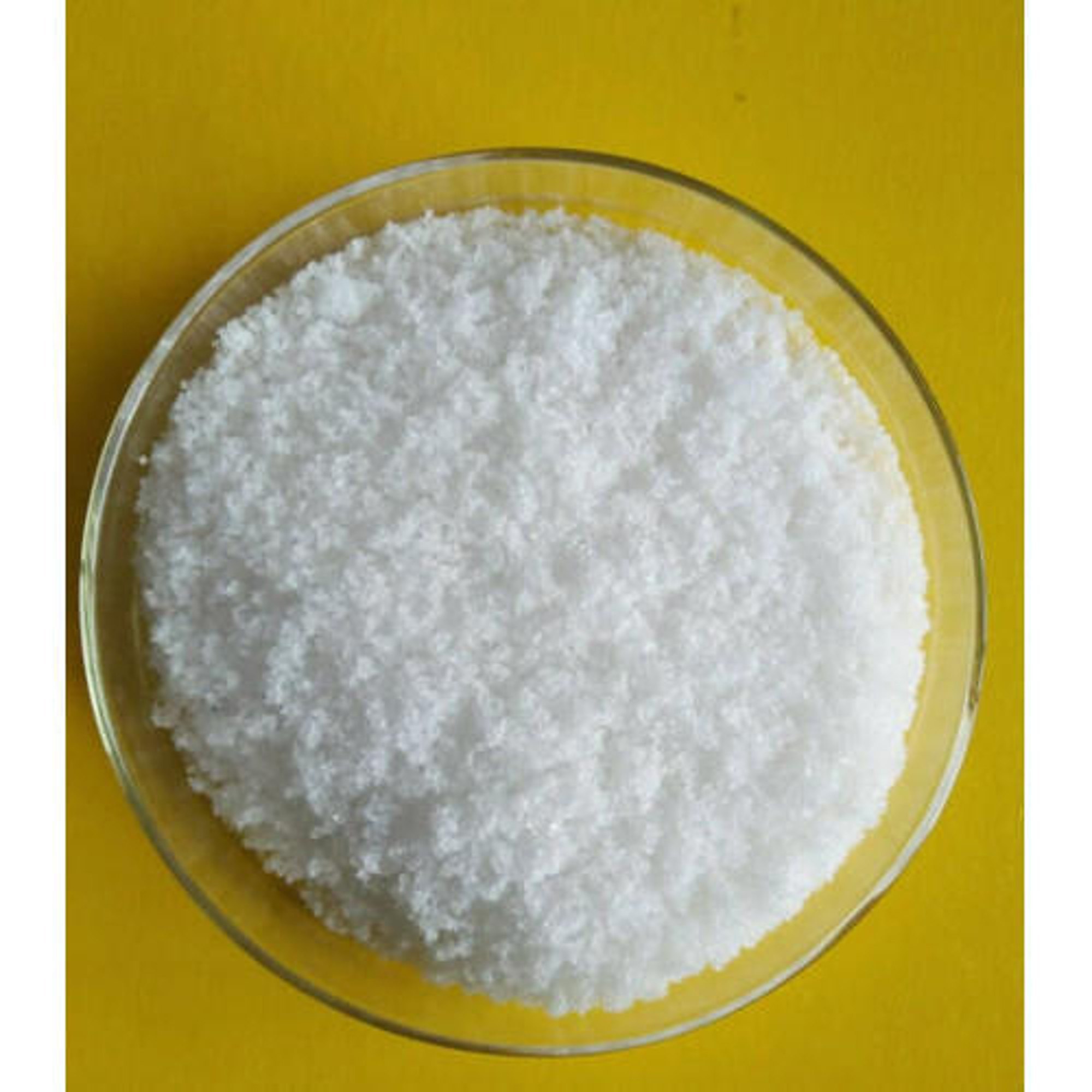
Physical form: Crystalline granules or flakes; also available as powder (custom milling).
-
Color and appearance: Colorless to white crystalline solid; free-flowing granules for bulk handling.
-
Particle size: Standard 0.5–3.0 mm granules; powder D90 ≤ 150 µm available for specialty processes.
-
Bulk density: Typical 0.9–1.1 g/cm3 (dependent on form and packaging).
-
Solubility: Highly soluble in water; clear solution formation at standard processing temperatures.
-
pH (1% aqueous): Approximately 4.5–5.5.
-
Packaging options: 25 kg multi-ply kraft bags with PE liner, 500 kg FIBCs (big bags), 1 MT tote options, bulk ISO tank or loose bulk for 20 MT+ loads.
-
Shelf life / stability: 24 months under dry, ambient storage; stability retained if kept sealed and moisture-protected.
-
Certification & documentation: Full Certificate of Analysis (CoA) per batch; Material Safety Data Sheet (MSDS); technical datasheet and impurity profile available on request.
-
Core Industrial Applications
-
Agriculture / Fertilizers: Foliar and soil-applied micronutrient supplement for zinc-deficient soils; used in micronutrient blends and chelate production. Advantages: predictable Zn availability, reduced application variability, cost-effective per-hectare dosing versus complex chelates.
-
Animal Feed & Aquaculture: Dietary zinc source for feed premixes to support growth and health. Advantages: high solubility, reliable dosing, compliance with feed regulations when specified.
-
Chemical Manufacturing: Precursor for zinc-based catalysts, electroplating additives, pigments, and battery component formulations. Advantages: consistent chemical performance and low impurity burden that minimizes downstream contamination risks.
-
Water Treatment & Corrosion Control: Used in biocide formulations, scale inhibition, and corrosion-inhibiting blends. Advantages: stable solution behavior and compatibility with common water-treatment chemistries.
-
Construction & Cement Additives: Used in specialty admixtures to control setting and durability characteristics. Advantages: enhances product consistency and long-term performance.
Why it outperforms alternatives: -
Higher solubility and predictable bioavailability compared with lower-grade sulfates and some insoluble zinc oxides.
-
Lower total cost of ownership than more complex zinc chelates for large-scale industrial and agricultural applications.
-
Batch-to-batch consistency reduces process adjustments and rejects.
-
Competitive Advantages
-
Quality consistency: Tight in-house QC with batch CoA, trace-impurity control, and spec adherence to ensure predictable process inputs.
-
Supply reliability: Secured feedstock contracts and multi-site production minimize disruption risk and support long-term contracts.
-
Logistics capability: Multiple packaging options (25 kg to bulk ISO/tote), flexible loading configurations, and experience with global export/import documentation for efficient cross-border delivery.
-
Price competitiveness: Economies of scale on bulk orders (20 MT and above) and transparent pricing models for contract buyers.
-
Sustainability benefits: Optimized production yields and low-waste packaging options; supplier transparency on emissions and resource use available for enterprise sustainability reporting.
-
Technical support: Dedicated technical datasheets, CoA per shipment, application guidance for dosing and compatibility, and access to technical service for scale-up or formulation challenges.
Positioning: Procured as a strategic raw material that reduces input variability, lowers processing risk, and supports industrial compliance and sustainability goals.
-
Commercial & Supply Information
-
Minimum order quantity (MOQ): BULK 20MT.
-
Loading capacity (MT per container): Typical 20 MT per 20-foot container (bagged, FIBC, or palletized); up to 24–25 MT achievable for dense palletized configurations subject to port/local weight limits and packaging selection.
-
Lead times: Standard lead time and shipping schedules configurable per contract; priority and repeat-supply programs available.
-
Documentation included: Commercial invoice, packing list, CoA, MSDS, Certificate of Origin, and transport documents (B/L or AWB).
-
Payment & contracting: Flexible payment terms for approved corporate accounts; long-term supply agreements and price-hedging options available.

Reviews
There are no reviews yet.