
Description
-
Product Overview
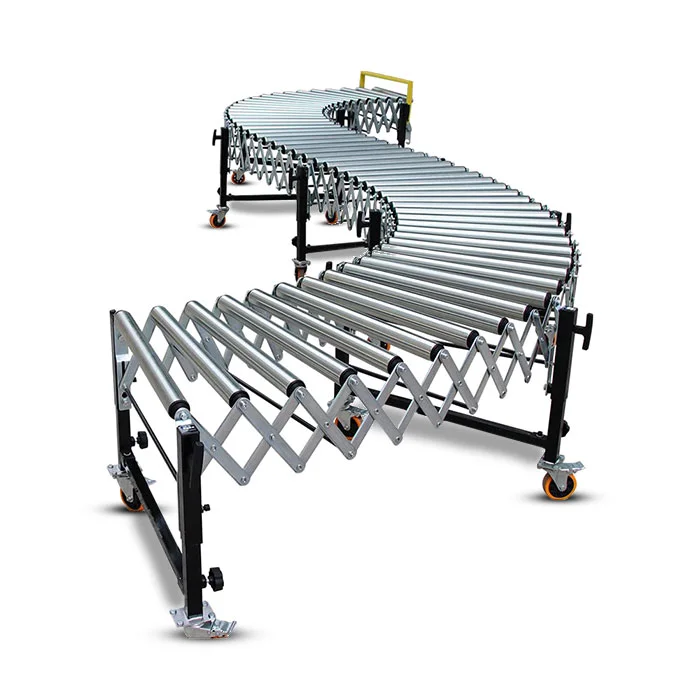
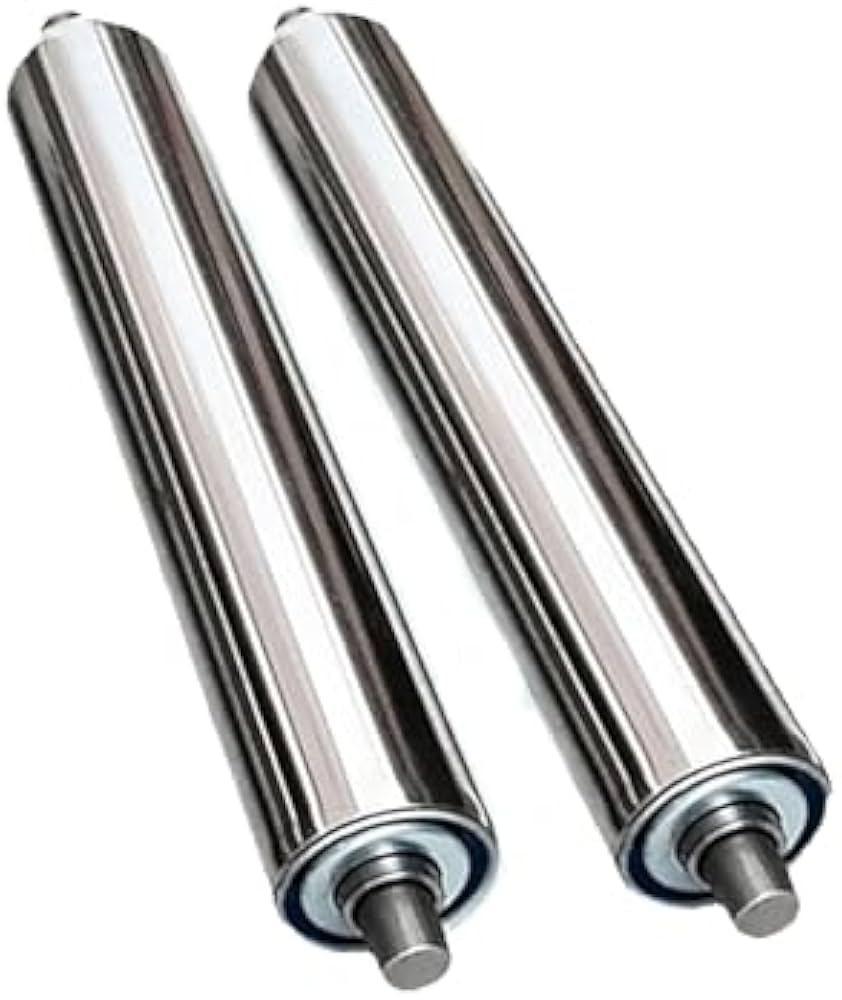
Conveyor roller assembly — a heavy‑duty mechanical component engineered to support, guide, and drive conveyor belts and material flow in continuous industrial handling systems. Primarily used in mining, quarrying, bulk materials handling, ports, manufacturing lines, and logistics terminals, this assembly combines precision bearings, robust shafts, and engineered shells to maximize uptime and throughput. Its key value proposition is proven operational reliability under high load, abrasive conditions, and long duty cycles, delivering lower total cost of ownership through reduced failure rates and simplified maintenance. Strategically, conveyor roller assemblies are a critical enabler of efficient material movement across multiple sectors; sourcing high‑quality assemblies minimizes process interruptions, protects downstream equipment, and supports predictable operating margins.
-
Key Specifications & Technical Characteristics
-
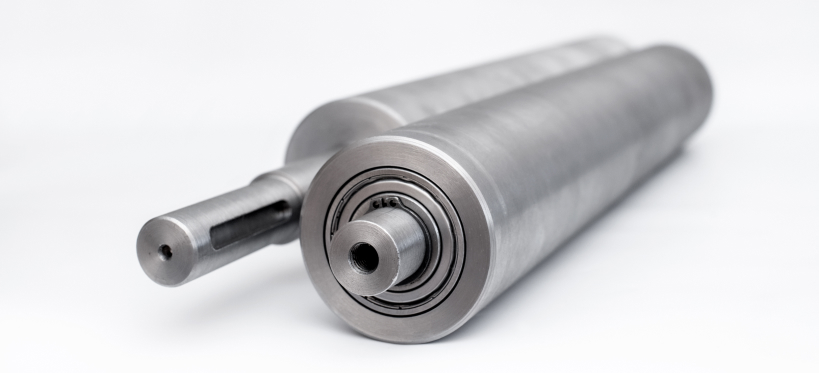
Material components: C45/1045 carbon steel or optional 304/316 stainless steel shaft and tube; high‑density polyethylene (HDPE) or cold‑rolled steel (CRS) shell; sealed deep‑groove or spherical roller bearings with nitrile rubber (NBR) seals.
-
Surface treatment: phosphate or zinc electroplating standard; optional epoxy or polyurethane coating; hard chrome plating available for extreme abrasion.
-
Bearing options: sealed ball bearings (standard), sealed spherical roller bearings (heavy duty), with greasing nipple; bearing life and lubrication specified per ISO 281 where requested.
-
Shaft diameters: standard 20 mm–50 mm (metric); custom diameters available on request.
-
Shell diameters: standard 48 mm–219 mm; custom sizes supported.
-
Shell types: plain, crowned, tapered, impact (rubber‑lined), or grooved for belt tracking.
-
Impact rollers: integrated rubber impact block or replaceable rubber inserts for feeding points.
-
Load rating: dynamic and static load ratings provided per bearing manufacturer specifications; design capacity up to industry standard heavy‑duty classes (specify per model).
-
Tolerances: concentricity and runout held to industrial bearing assembly tolerances (typically <=0.05 mm radial runout).
-
Temperature range: operational −20°C to +80°C standard; high‑temp variants to +200°C available.
-
Noise & vibration: balanced to ISO G2.5 or better on request for low‑vibration applications.
-
Packaging options: single unit cartons, palletized crates, wooden export crates, or bulk skidded packs; anti‑corrosion film and desiccant available for long sea transit.
-
Shelf life: mechanical component shelf life indefinite when stored dry; bearings pre‑lubricated — consult datasheet for grease life (typically 12–24 months under recommended storage).
-
Certification & documentation: material test reports (MTRs), dimensional drawings, bearing datasheets, test/inspection reports, and supply chain traceability on request.
-
Core Industrial Applications
-
Mining & aggregates: used on head/tail pulleys, transfer points, and longwall conveyors to withstand heavy, abrasive loads; impact rollers reduce belt and structure damage at loading zones.
-
Ports & bulk terminals: continuous duty rollers for shiploaders, stackers, reclaimers and stockyard conveyors where uptime and corrosion resistance are critical.
-
Cement, steel & minerals: rollers for high‑temperature or highly abrasive environments where hardened shells and sealed bearings extend service intervals.
-
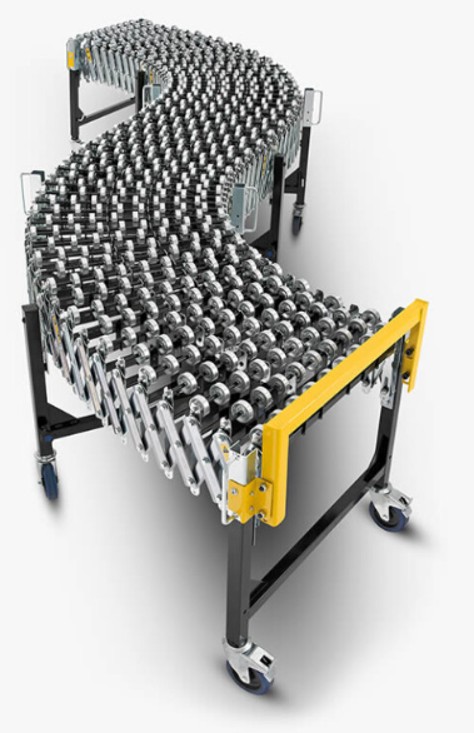
Manufacturing & logistics: in-line conveyor systems for assembly lines, sortation, and distribution centers requiring low noise, high precision, and consistent tracking.
-
Food & pharmaceuticals (sanitary variants): stainless steel shafts and FDA‑compatible coatings for washdown and hygiene‑sensitive environments.
Why this product performs better: engineered bearing selection, controlled tolerances, and tailored shell materials deliver significantly longer mean time between failures (MTBF) than commodity rollers. Impact and crowned designs minimize belt misalignment and wear, reducing replacement frequency and belt downtime. The modular design simplifies onsite maintenance and spare parts management, lowering operating expenditure.
-
Competitive Advantages
-
Quality consistency: manufactured under documented quality systems with incoming material inspection, traceable MTRs, and end‑of‑line dimensional checks to ensure repeatable performance.
-
Supply reliability: scalable production capacity and regional stocking options to support JIT replenishment and minimize lead times for large programs.
-
Logistics capability: export packaging, consolidated FCL/LCL planning, and partner network for expedited delivery to major ports worldwide; FOB, CIF, DAP terms supported.
-
Price competitiveness: competitive unit pricing at scale with volume discounts and lifecycle cost analyses demonstrating lower total cost of ownership versus lower‑grade alternatives.
-
Sustainability: options for recyclable shell materials and low‑VOC coating processes; extended service life reduces material waste and replacement frequency.
-
Technical support: detailed engineering datasheets, CAD models, on‑request finite element analysis (FEA) for custom designs, installation guides, and maintenance schedules; field support and spare‑parts kits available.
-
Commercial & Supply Information
-
Minimum order quantity (MOQ): BULK 20 MT.
-
Loading capacity (MT per container): typical container loading depends on roller dimensions and packaging; representative capacities:
-
20 ft container: up to 12–16 MT (palletized, depending on roller size).
-
40 ft container: up to 24–28 MT (palletized, depending on roller size).
Contact sales with roller model, dimensions, and packaging preference for precise container loading plan and optimized packing density.
-
Reviews
There are no reviews yet.