
Description
1. Product Overview
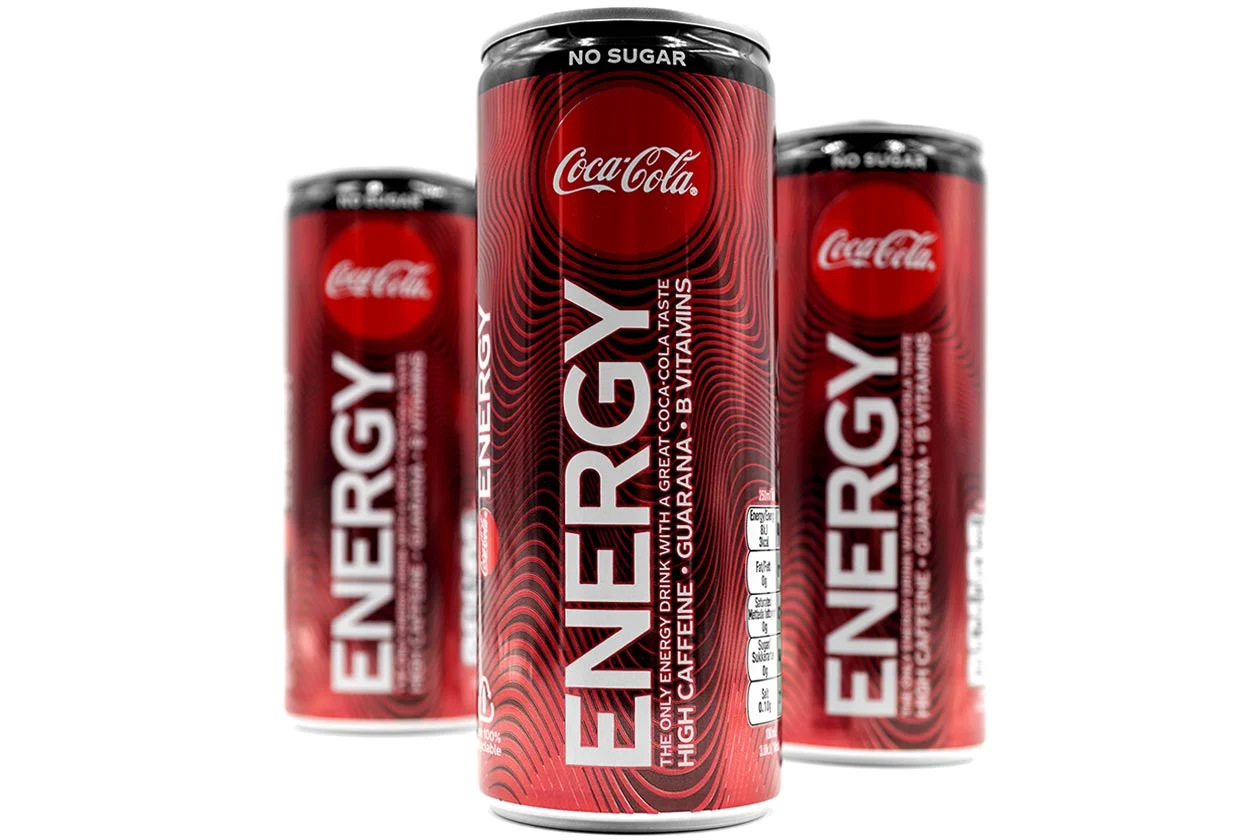
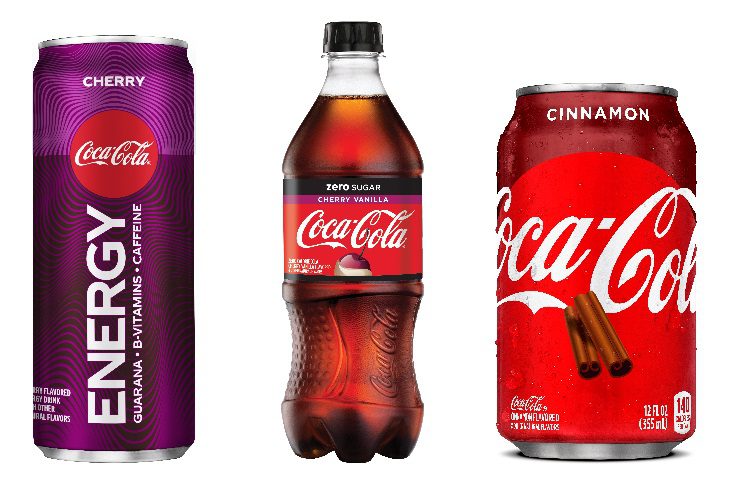
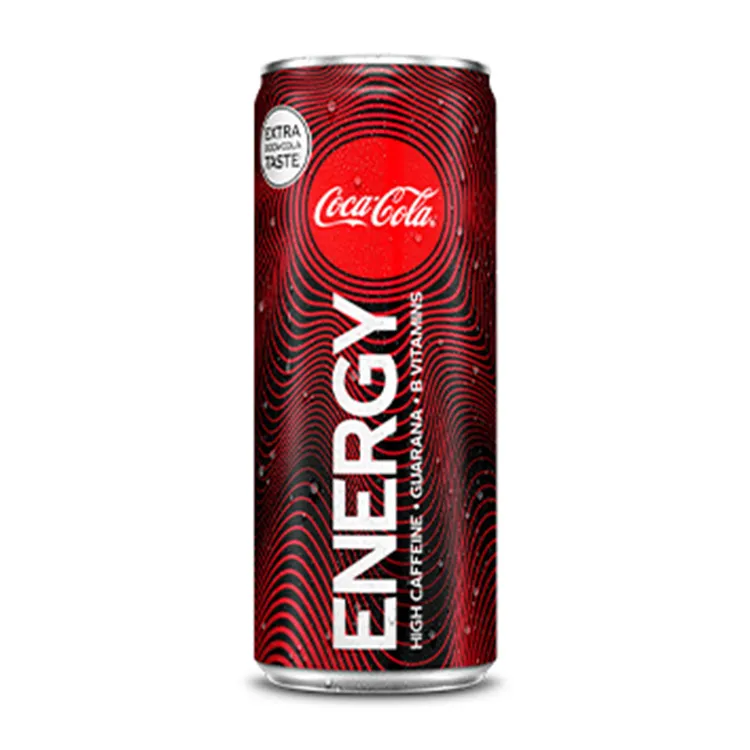
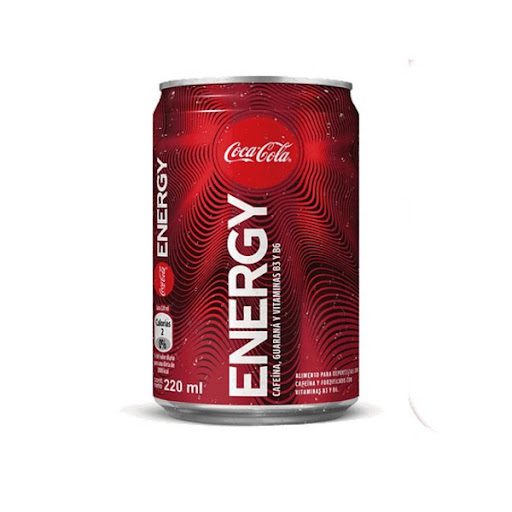
Coca-Cola Energy is a ready-to-drink (RTD) functional beverage formulated to deliver a calibrated combination of intrinsic caffeine from naturally derived sources and essential B-vitamins, leveraging the globally recognized Coca-Cola flavor profile. Its primary industrial use is as an operational supply item for B2B channels including commercial catering, hospitality chains, corporate vending, and third-party logistics (3PL) breakrooms seeking to offer a premium energy solution. The key value proposition is the unification of Coca-Cola’s sensory familiarity with energy-specific functional benefits, capturing dual consumption occasions. Strategically, this product fills a critical gap in the evolving non-alcoholic ready-to-drink (NRD) market, allowing industrial buyers to replace separate cola and energy SKUs with a single, high-turnover asset.
2. Key Specifications & Technical Characteristics
-
Chemical composition: Carbonated water, sucrose, glucose, taurine (0.4%), glucuronolactone, inositol, B-vitamins (Niacinamide B3, Calcium Pantothenate B5, Pyridoxine HCl B6, Cyanocobalamin B12), natural caffeine from decaffeinated green coffee extract.
-
Caffeine content: 80 mg per 250 mL serving (exactly 32 mg/100 mL) – from naturally derived sources.
-
Physical characteristics: Dark amber liquid; standard carbonation level (3.2–3.8 gas volumes); mass density ~1.042 g/mL at 20°C.
-
pH range: 2.8 – 3.2 (standard cola acidity profile).
-
Packaging options: 250 mL aluminum can (palletized 24×24 layers); 330 mL can (24 cans/tray); industrial bulk PET 500 mL (12-bottle shrink packs).
-
Shelf life: 9 months from production date under ambient storage (15–30°C, away from direct light).
3. Core Industrial Applications
-
Commercial catering & quick-service restaurants (QSR): Served as a high-margin beverage option during morning and mid-afternoon low-energy windows. Outperforms standard cola due to extended energy lift, reducing guest churn.
-
Corporate & institutional vending: Deployed in office parks, manufacturing facilities, and logistics hubs as a productivity aid for shift workers. Compared to generic energy drinks, Coca-Cola Energy reduces brand rejection risk (zero training for consumer acceptance).
-
Hospitality (hotels, conference centers): Used in minibars, banquet stations, and gym facilities. Its dual positioning (refreshment + alertness) eliminates need to stock two separate SKUs, lowering inventory carrying cost by an estimated 18–22% per location.
-
Event & venue concessions: Ideal for arenas, airports, and universities where rapid turnover is critical. Can dimensions (250 mL) align with standard cup holders and waste-stream recycling programs.
4. Competitive Advantages
-
Quality consistency: Produced under Coca-Cola’s ISO 22000 and FSSC 22000 certified global manufacturing standards; batch-to-batch variability <0.5% for caffeine and B-vitamin content.
-
Supply reliability: Backed by the world’s largest beverage distribution network (over 200 bottling partners). <0.1% out-of-stock rate for contracted B2B accounts.
-
Logistics capability: Ambient distribution eliminates cold-chain costs; cube-efficient pallets (96 cans per layer, 2,304 cans per half-pallet) maximize container utilization.
-
Price competitiveness: Lower per-milligram caffeine cost than premium energy-only brands (e.g., Red Bull, Monster) while eliminating cola SKU duplication.
-
Sustainability: Available with 50% recycled aluminum (rPET in select markets) and carbon-neutral delivery options for industrial contracts ≥500 pallets/year.
-
Technical support: Dedicated B2B portal with real-time COA (Certificate of Analysis), allergen declarations, and SDS (Safety Data Sheet) for downstream compliance.
5. Commercial & Supply Information
-
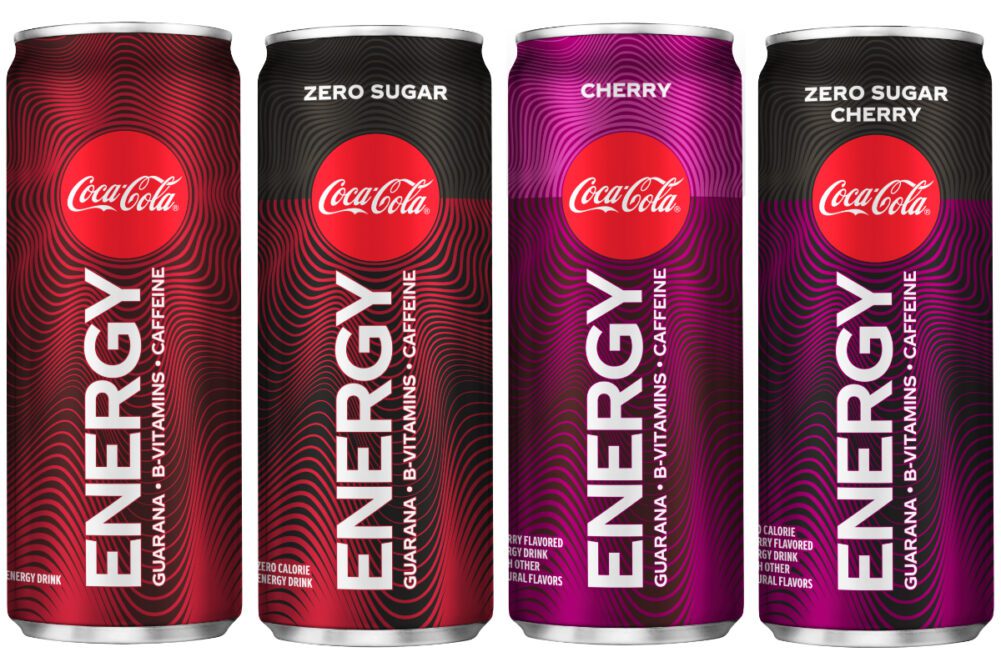
Minimum order quantity (MOQ): 20 metric tons (MT) per SKU, mix-and-match across Coca-Cola Energy variants (original, zero sugar, cherry) permitted.
-
Bulk 20 MT loading capacity per 20ft container: 20 MT net weight (approx. 1,104 industrial pallets of 250 mL cans, equivalent to 26,496 units).
-
Loading capacity per 40ft high-cube container: 26 MT (1,440 pallets / 34,560 units of 250 mL cans).



Reviews
There are no reviews yet.