
Description
Coca-Cola Energy: A Fizz of Flavor with a Boost
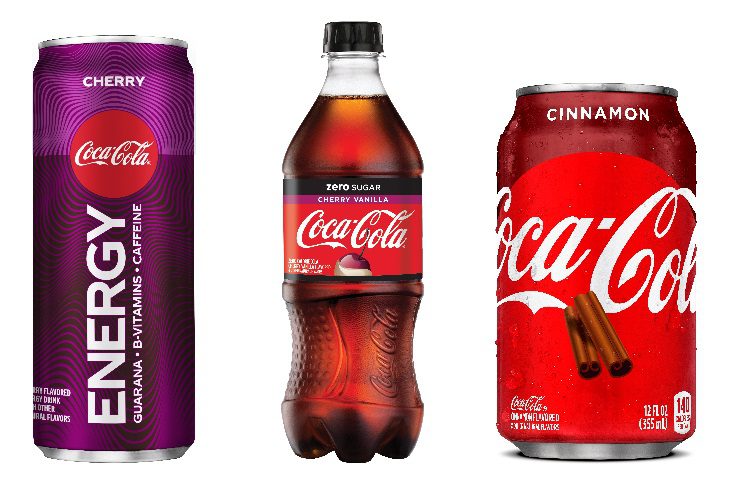
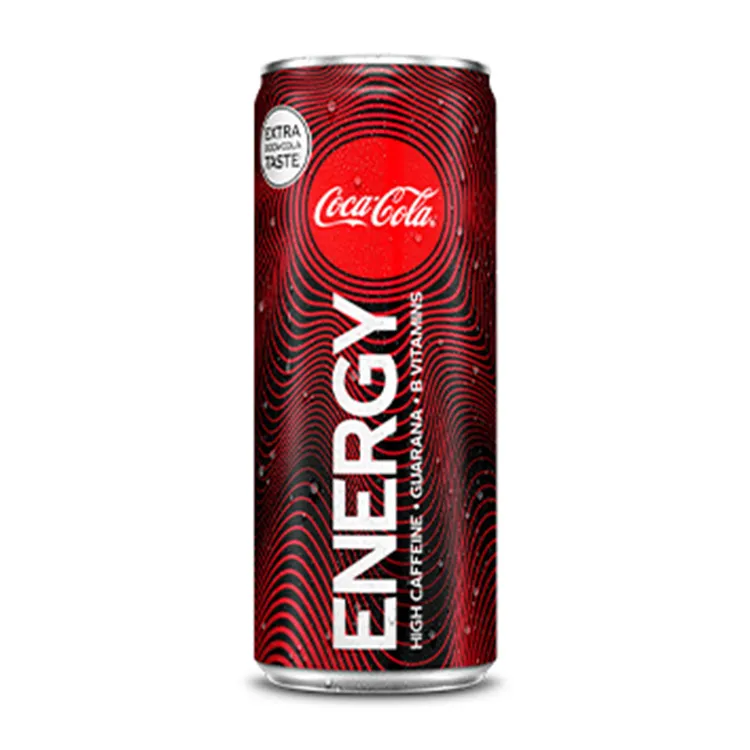
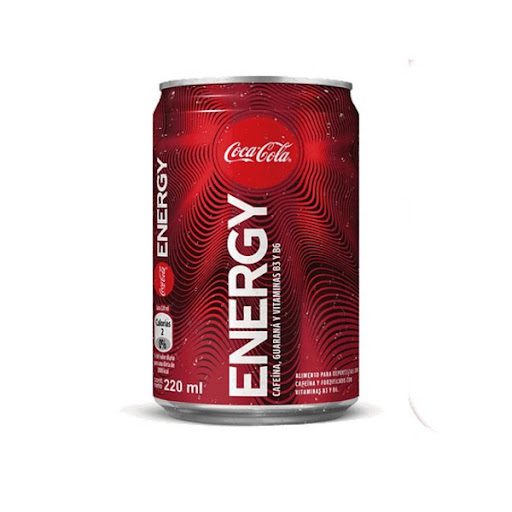
Coca-Cola, the iconic purveyor of bubbly refreshment, took a stride into a new territory with the launch of Coca-Cola Energy. This wasn’t just another flavor variant; it was a deliberate attempt to blend the classic Coca-Cola taste with the functional benefits of an energy drink. But how did this experiment fare, and what made Coca-Cola Energy stand out (or not)?
A Familiar Taste with an Added Kick:
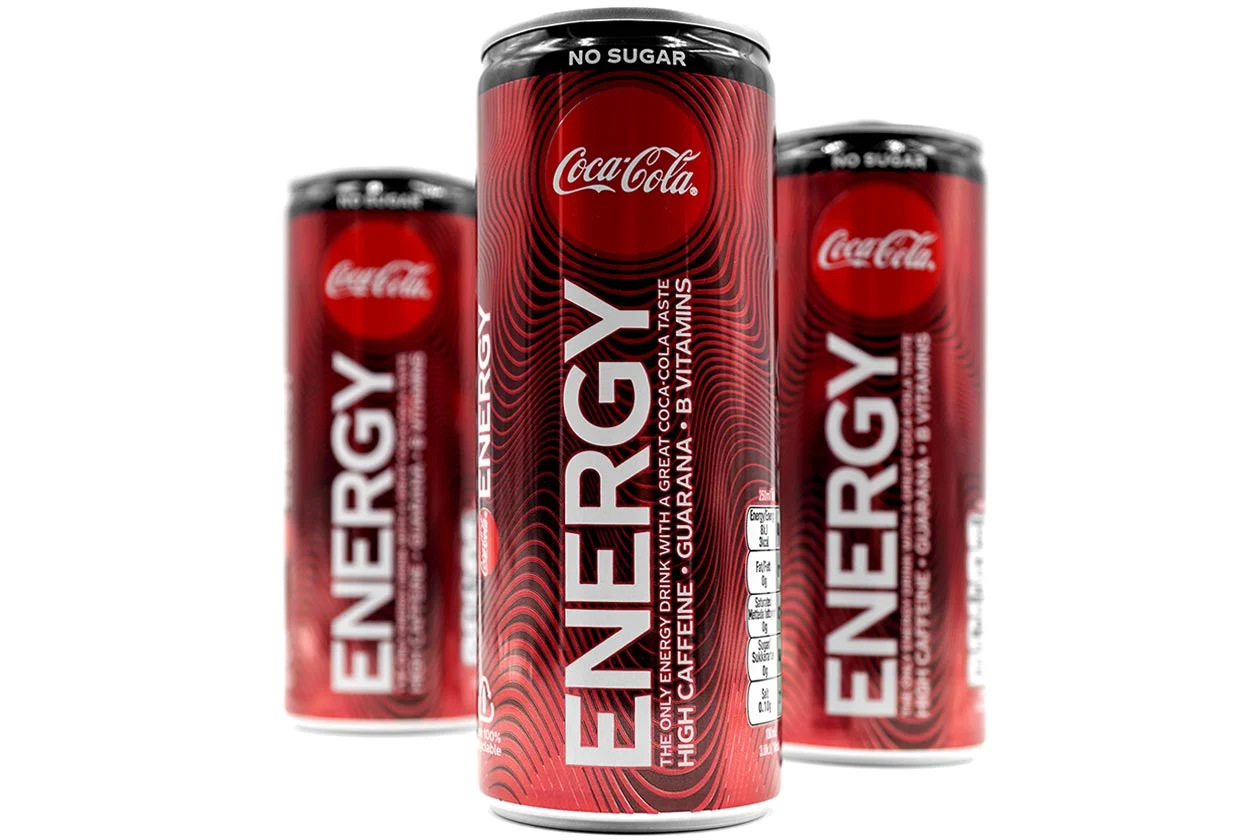
The fundamental premise of Coca-Cola Energy was simple: offer the familiar, beloved taste of Coca-Cola with a boost of energy. It aimed to capture a market segment seeking the comforting familiarity of the classic soda but needing an extra pick-me-up. The drink contained ingredients like caffeine, guarana extract, and B vitamins, all commonly found in energy drinks, promising enhanced focus and sustained energy.
A Differentiated Offering:
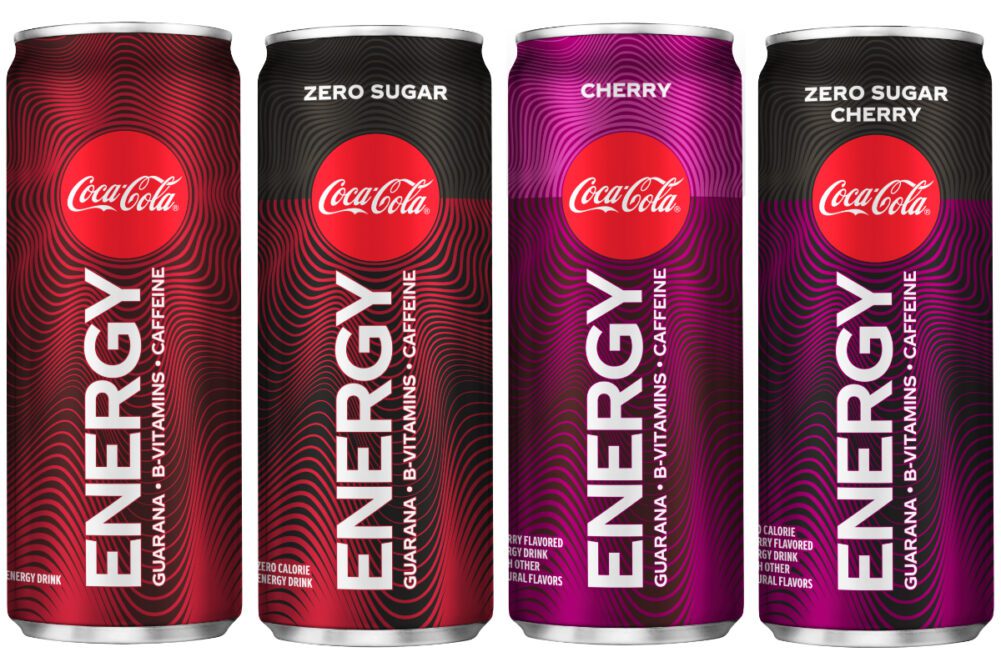
While the energy drink market is saturated with options, Coca-Cola Energy hoped to carve its niche through its unique flavor profile. It wasn’t just another sugary, overly sweet energy drink. Instead, it offered a recognizable Coca-Cola taste, albeit with a slightly different, perhaps more medicinal, note. This was a key differentiator that resonated with some consumers. The drink was also available in a zero-sugar version, catering to the health-conscious segment.
The Reception:
The reception to Coca-Cola Energy was mixed. Some consumers appreciated the unique flavor combination and found it a palatable alternative to traditional energy drinks. Others, however, found the taste too artificial or didn’t feel the promised energy boost was significant enough to justify the switch from regular Coca-Cola or other energy drinks.
Challenges and Ultimately, Discontinuation:
Despite its potential, Coca-Cola Energy faced several challenges. The crowded energy drink market, dominated by established players with strong brand loyalty, made it difficult to gain significant traction. Furthermore, the slightly altered taste of the Coca-Cola version, while aiming for a unique selling point, also alienated some traditional Coca-Cola drinkers.
Ultimately, Coca-Cola made the decision to discontinue Coca-Cola Energy in several markets, including North America, in 2021. This decision highlights the difficulty of launching new products in a fiercely competitive landscape and the challenges of balancing brand recognition with product innovation.
Lessons Learned:
The Coca-Cola Energy story offers valuable insights for companies looking to expand their product lines. It demonstrates the importance of:
- Understanding Consumer Expectations: Balancing established brand identity with the demands of a new product category is crucial.
- Differentiation: Finding a truly unique selling proposition that resonates with the target audience is essential in a crowded market.
- Continuous Evaluation: Regularly assessing product performance and adapting strategies based on market feedback is vital for long-term success.
While Coca-Cola Energy may no longer be on shelves in many regions, it serves as a reminder that even the biggest brands can encounter challenges when venturing into new territories. The experiment underscores the constant need for innovation, adaptation, and a deep understanding of consumer preferences in the ever-evolving beverage market. It remains a fascinating case study of a bold attempt to blend a classic taste with a contemporary need for energy.


Reviews
There are no reviews yet.