
Description
1. Product Overview
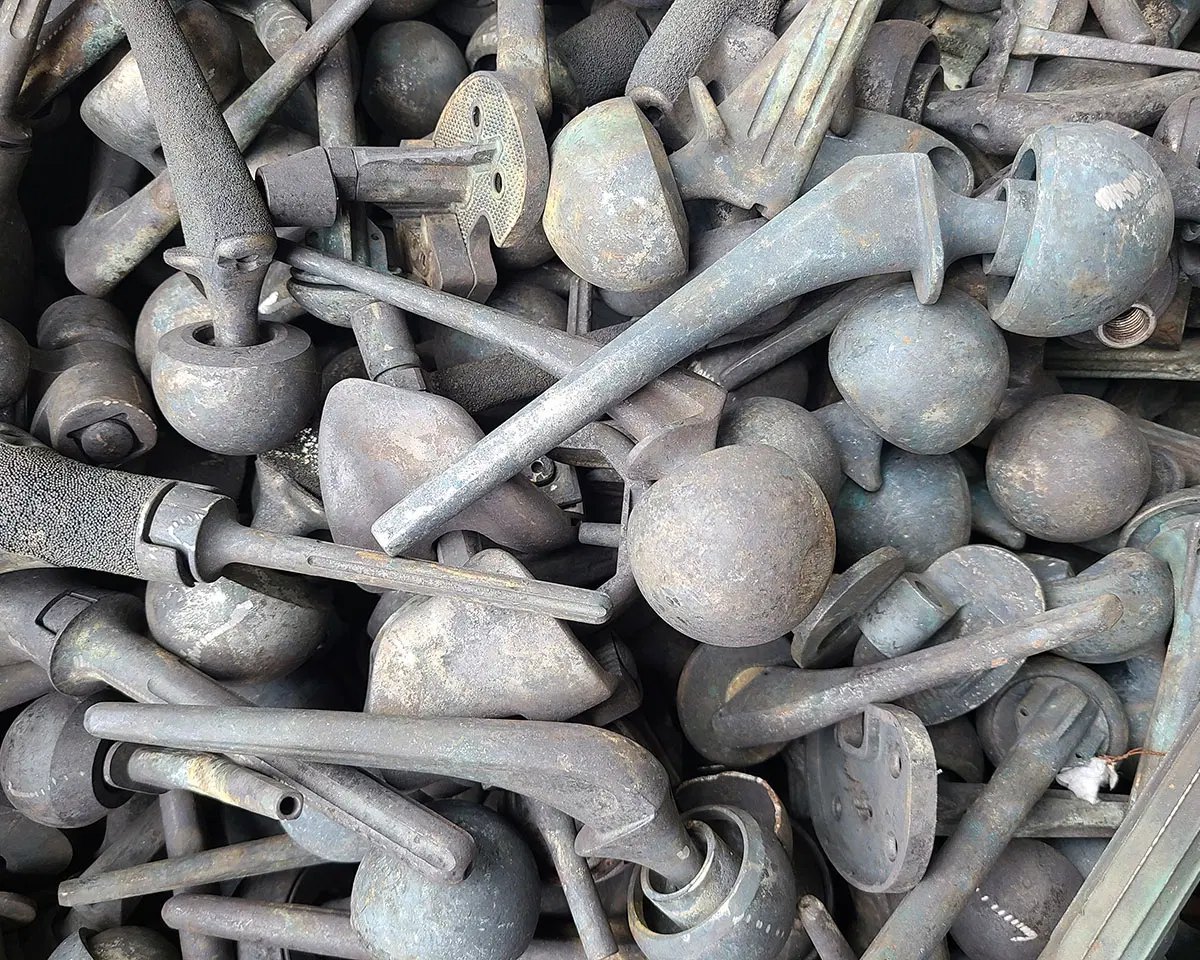
Cobalt Recovery Scrap is a high-value secondary cobalt material reclaimed from spent lithium-ion batteries, superalloy turnings, and hard metal tooling waste through advanced hydrometallurgical processing. Its primary industrial use is as a cost-effective feedstock for cobalt sulfate, cobalt metal, and precursor cathode active material production in the EV battery and aerospace sectors. The key value proposition lies in delivering 95%+ of the performance of virgin cobalt at a 15-25% lower landed cost while securing supply chain resilience. Strategically, it enables manufacturers to meet ESG mandates, reduce reliance on primary mining from high-risk regions, and lock in critical mineral supply amid accelerating global electrification demand.
2. Key Specifications & Technical Characteristics
- Chemical Composition: Co 8-35% typical range; Ni 2-15%; Cu 0.5-5%; Fe 1-8%; Mn 0.5-3%; Al <2%; Li 0.5-4%; C <1.5%; Trace impurities: Zn, Pb, Cd each <0.05%
- Purity Level / Grade: Classified as Grade A Recovery Scrap; Cobalt metal equivalent ≥99.3% after refining; Moisture content ≤3%
- Physical Characteristics:
- Form: Shredded flakes, powder, or briquetted fines
- Color: Dark grey to black metallic
- Particle Size: 0-10mm as standard, 0-2mm fines available on request
- Bulk Density: 1.2-1.8 g/cm³ depending on form
- Magnetic: Low to medium ferromagnetism due to Fe/Ni content
- Packaging Options: 1 MT big bags with PE liner on pallets; 20-25 MT bulk in lined 20ft containers; Vacuum-sealed drums for powder grade
- Shelf Life: Chemically stable for 24 months when stored in dry, covered conditions below 40°C
3. Core Industrial Applications
- Primary Industries: Lithium-ion battery manufacturing, superalloy production, hard metal/cemented carbide, catalyst production, pigments & ceramics
- Specific Operational Use Cases: Direct feed into leaching circuits for battery-grade cobalt sulfate; Blending for vacuum induction melting in aerospace alloys; Raw material for Co3O4 and CoO in ceramics; Catalyst precursor for petrochemical desulfurization
- Performance vs Alternatives: Compared to primary cobalt concentrate, recovery scrap offers faster dissolution kinetics due to pre-liberated structure and lower radionuclide content. Versus low-grade ores, it delivers 3-5x higher Co concentration, reducing acid consumption and waste generation per ton of refined cobalt
- Efficiency, Durability, or Cost Advantages: Reduces refining OPEX by 18-22% through lower energy and reagent use; Provides traceability for IRA/EU Battery Regulation compliance; Mitigates price volatility with contracted, circular supply
4. Competitive Advantages
- Quality Consistency: Every lot homogenized, sampled per ISO 12743, and shipped with full ICP-OES assay + impurity profile
- Supply Reliability: 300+ MT/month steady-state capacity from captive dismantling lines; 12-month volume contracts available
- Logistics Capability: EXW/FOB/CIF terms; Basel Convention Annex IX compliant documentation; Pre-approved for major ports in EU, US, CN, KR, JP
- Price Competitiveness: Indexed to LME Co with fixed discount structure; No exposure to DRC mining premiums or royalty fees
- Sustainability Benefits: 65-80% lower CO₂ footprint vs mined cobalt; 100% circular source; Supports Scope 3 emissions reporting and EU CBAM requirements
- Technical Support: Dedicated metallurgical team; SDS, TDS, flow sheets, and toll-refining trials supported; End-to-end mass balance certificates
5. Commercial & Supply Information
- Minimum Order Quantity (MOQ): BULK 20MT
- Loading Capacity: 20-23 MT per 20ft FCL depending on form and packaging
Reviews
There are no reviews yet.