
Description
Product Overview
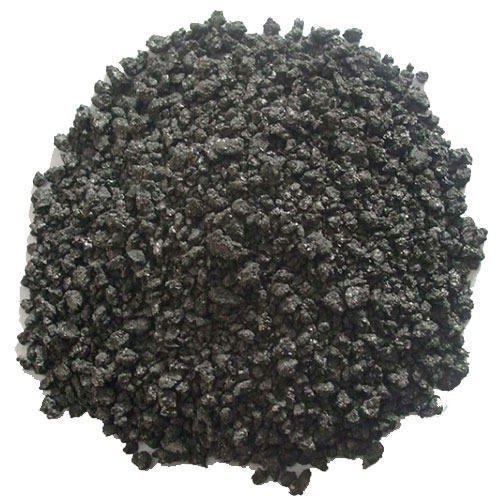
Nickel Recovery Residue is a high-value secondary nickel-bearing material generated from hydrometallurgical and pyrometallurgical refining processes. Its primary industrial use is as a cost-effective feedstock for nickel smelters, stainless steel producers, and battery precursor manufacturers seeking to optimize raw material costs. The key value proposition lies in delivering recoverable nickel units at a significant discount to LME-grade metal while supporting circular economy mandates. It is strategically important in the market as global demand for nickel accelerates in EV batteries and stainless steel, driving buyers toward reliable, sustainable secondary sources to de-risk primary supply volatility.
Key Specifications & Technical Characteristics
- Chemical Composition: Typical range Ni 3.0%–12.0%, Fe 25.0%–45.0%, Co 0.1%–0.8%, Cu 0.1%–1.5%, S 1.0%–5.0%, SiO₂ 8.0%–20.0%, MgO 2.0%–10.0%, Moisture ≤15.0%. Assay varies by batch; COA provided per shipment.
- Grade: Secondary metallurgical residue, Class II nickel-bearing material suitable for smelting/refining.
- Physical Characteristics:
- Form: Granular to fine powder residue
- Color: Dark brown to black
- Particle Size: 80% passing 2mm, typical D50 0.5mm–3.0mm
- Bulk Density: 1.4–1.8 MT/m³
- Packaging Options: 1.0 MT jumbo bags with inner PE liner, loaded in 20′ FCL; or bulk break-bulk upon request.
- Shelf Life: Indefinite when stored dry in covered warehouse; material is chemically stable, non-reactive under normal conditions.
Core Industrial Applications
- Primary Industries: Stainless steel mills, nickel pig iron (NPI) producers, nickel sulfate refineries, battery cathode active material (CAM) plants, specialty alloy manufacturers.
- Specific Operational Use Cases: Direct feed into rotary kiln electric furnace (RKEF) lines, blending with laterite or sulfide ores in smelting, leaching for nickel sulfate production, use as alloying additive for 300-series stainless steel.
- Performance Advantages: Delivers nickel units at 60%–75% of LME Ni price basis, lowering melt cost per ton of finished product. High Fe content acts as a beneficial flux in smelting, reducing additional flux consumption.
- Efficiency & Cost Advantages: Enables smelters to reduce reliance on high-cost Class I nickel or imported laterite. Consistent granulometry ensures uniform furnace feed, improving recovery rates and reducing energy consumption vs. coarse ores.
Competitive Advantages
- Quality Consistency: Every lot is sampled, assayed by ICP-OES/XRF, and certified. Deviation control ±0.5% Ni across shipments.
- Supply Reliability: Aggregated from long-term refinery offtake agreements; 500–1,000 MT monthly availability with 12-month forward contracts offered.
- Logistics Capability: Experienced in EXW, FOB, and CIF shipments from major ports in Asia and Africa. Pre-cleared HS code documentation for fast customs clearance.
- Price Competitiveness: Structured pricing indexed to LME Ni with negotiated discount coefficients; protects buyers against primary nickel premiums.
- Sustainability Benefits: 100% recycled material; reduces Scope 3 emissions for buyers. Supports ESG reporting with auditable chain of custody and material traceability.
- Technical Support: Full SDS, TDS, processing recommendations, and end-use technical liaison provided. Third-party inspection by SGS/BV/Alex Stewart available at load port.
Commercial & Supply Information
- Minimum Order Quantity (MOQ): BULK 20MT
- Loading Capacity: 20–25 MT per 20′ container, depending on bulk density and moisture
Reviews
There are no reviews yet.